
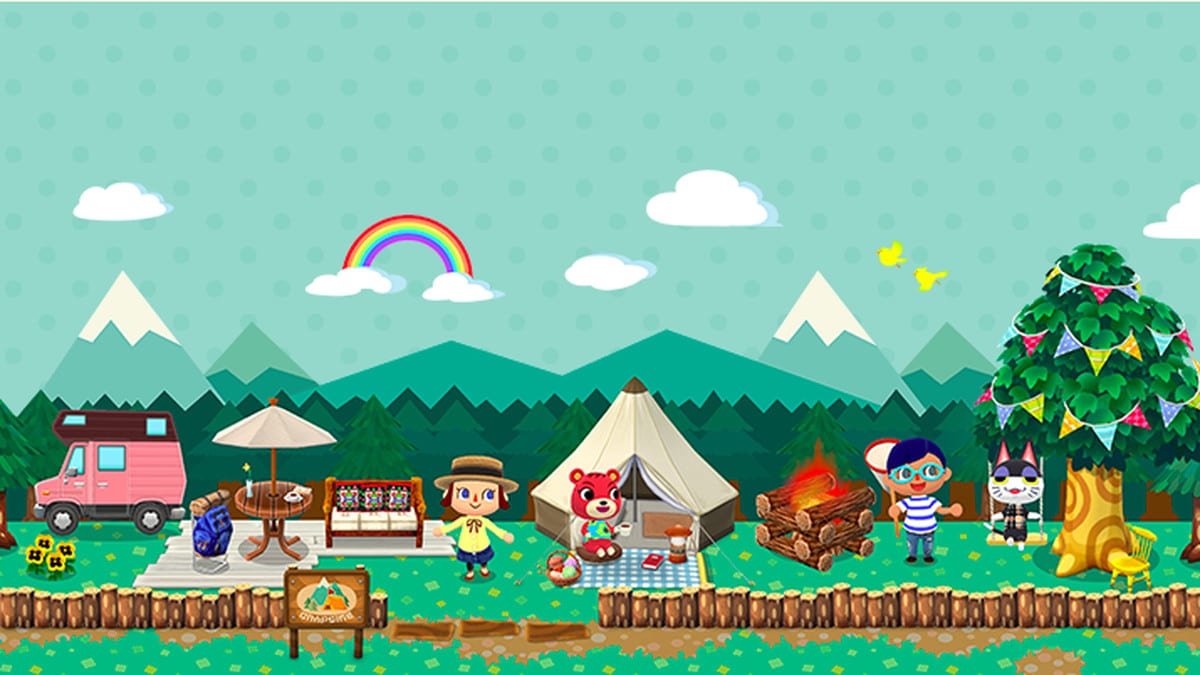
Game images by RAWG
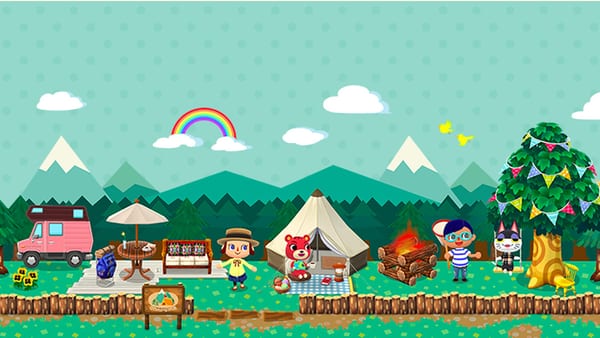
Animal Crossing: Pocket Camp
Nintendo EPD (with development support from DeNA)
About This Game
Super ReviewAnimal Crossing: Pocket Camp offers gentle, creative fun managing a customizable campsite and interacting with animal friends. While encouraging planning, its original free-to-play model presented significant monetization risks. The newer paid 'Pocket Camp Complete' version removes these concerns, making it a decent choice for families willing to make a one-time purchase for a safer experience.
Super Review
Parent verdict
Animal Crossing: Pocket Camp, in its current 'Pocket Camp Complete' form, is a qualified fit for families. The core gameplay is undeniably charming, focusing on low-stress decorating, crafting, and light social interaction. However, its past as an aggressively monetized free-to-play title heavily influences its 'Decent' health score of 49. While the paid version mitigates most risks, parents should be aware of the game's history, especially if an older, free version might still be accessible. It's best for children who enjoy creative expression and don't mind repetitive, gentle tasks.
What players actually do
- Players collect resources like fruit and fish by tapping objects or characters, practicing simple observation and collection skills.
- Players design and decorate their own campsites and campers using collected or crafted items, exercising creativity and spatial reasoning.
- Players fulfill requests for animal villagers by finding specific items, which teaches basic task management and resource allocation.
Where it shines
- The game strongly promotes creativity through extensive customization options for campsites, campers, and player avatars, allowing children to express their unique style and imagination.
- Its gentle, low-stress gameplay and focus on positive interactions with animal characters provide a calm and accessible experience, free from combat or intense competition.
Parent watch-outs
- The original free-to-play version featured aggressive in-app purchases, including loot-box style Fortune Cookies and premium currency (Leaf Tickets), which could pressure children into spending.
- Even with the paid 'Complete' version, the game's design, originating from a free-to-play model, might still feature elements like waiting timers for crafting that could feel slow if not accustomed to that rhythm.
Family rules worth setting
- If playing the 'Pocket Camp Complete' version, confirm that the one-time purchase has been made and that no additional in-app purchase options are present.
- Set clear time limits for play sessions to prevent excessive screen time, as the game's open-ended nature can make it easy to play for extended periods.
Talk about this
- Discuss the difference between the game's original free model and the current paid version, explaining how games can sometimes use tricks to encourage spending.
- Chat about creative choices they made in decorating their camp and why they chose certain items or layouts, fostering discussion about design and personal expression.
Play style
This is a low-difficulty, gentle simulation game with an open-ended rhythm. Sessions can be as short as checking on animal requests and collecting items, or longer for extensive campsite decorating. There's little pressure or friction, making it suitable for relaxed play. Children may need help navigating menus or understanding crafting requirements initially. Social interaction is limited to visiting other players' camps for inspiration, without direct communication.
Score Breakdown
Positive Aspects
Risk Factors
Why this rating
Educational Value
2/5While the game offers basic resource management and planning in fulfilling requests and crafting, its educational value is low. The tasks are repetitive and do not significantly advance cognitive skills beyond simple organizational thinking.
Addictive Monetization
5/5This score reflects the original free-to-play version's aggressive monetization tactics, which included loot-box style Fortune Cookies and reliance on premium currency for speeding up progress and acquiring desirable items. These features were designed to encourage frequent spending and playtime, posing a significant risk of addictive monetization.
Creativity
4/5Animal Crossing: Pocket Camp excels in fostering creativity, earning a score of 4. Players have extensive freedom to design, decorate, and personalize their campsite and camper with a vast array of furniture, clothing, and themes, providing a strong outlet for imaginative expression.
Time Pressure / FOMO
3/5In its original free-to-play form, the game utilized time-gated progression, requiring players to wait for crafting or resource regeneration. This mechanic, common in mobile games, created a moderate level of time pressure and FOMO (Fear Of Missing Out) to keep players engaged and returning.
Negatives
- •Original free-to-play version featured aggressive microtransactions, loot-box style Fortune Cookies, and time-gated progression
- •online features expose children to limited social interaction and potential in-app spending pressure.
Positives
- •Low-violence, gentle gameplay
- •strong creativity/customization (camp and camper design)
- •simple tasks that teach resource management and planning.
Gameplay Videos
Other Recommended Games
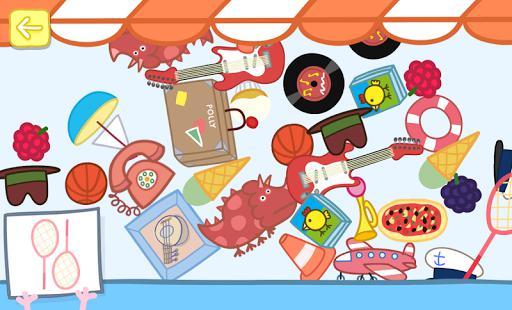
LEGO DUPLO Peppa Pig
StoryToys Limited
Same platform, Similar gameplay style, Higher health score
LEGO Bluey
StoryToys (published in partnership with The LEGO Group & BBC Studios)
Same platform, Similar gameplay style, Higher health score
LEGO DUPLO World
StoryToys Limited (in partnership with The LEGO Group)
Same platform, Similar gameplay style, Higher health score

Coloring & Learn
Orange Studios Games
Same platform, Similar gameplay style, Higher health score
Official Ratings
In-Game Purchases; Users Interact
Age Fit
Help us rate the next game
GameCompass is free for every family and takes nothing from game studios. A coffee is what puts the next game on the list.
Buy us a coffeeWhat support pays for