
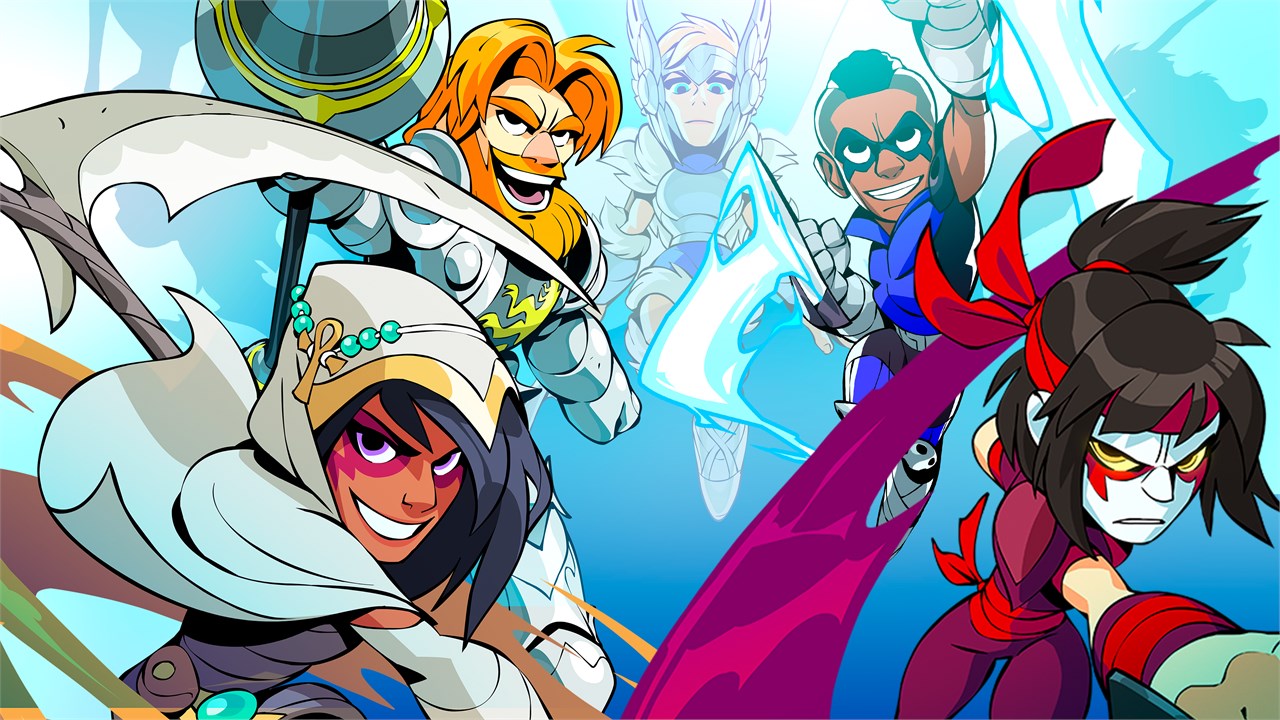
Game images by RAWG
Brawlhalla
Blue Mammoth Games
About This Game
Super ReviewBrawlhalla is a free-to-play competitive brawler with accessible combat, but its online focus, randomized purchase mechanics, and competitive ladder introduce notable risks for parents. Supervised local play can be fun, but online interactions and monetized progression require clear boundaries.
Super Review
Parent verdict
With a 'Risky' health score, Brawlhalla is a qualified fit, best considered if parents are prepared to set strict family rules around spending, online interaction, and playtime. While the core gameplay is engaging, its free-to-play model with randomized cosmetic purchases and exposure to online strangers make it a challenging option without active parental supervision and limits. It works best for players who can manage competitive pressure and whose parents can lock down spending.
What players actually do
- Players battle up to seven other players on floating stages, knocking opponents off using a roster of unique characters and various weapon pickups, developing reaction time and strategic thinking.
- Players learn the unique attacks and special moves of different Legends, adapting their playstyle to master various weapon combinations and character abilities.
- Players customize their chosen Legends with purchased cosmetic skins, weapon skins, and emotes, expressing individuality within the game's competitive environment.
- Players engage in ranked online matches to climb leaderboards, testing their skills against others and experiencing the highs and lows of competitive play.
Where it shines
- The game excels as a local multiplayer 'couch party' option, offering accessible controls and immediate fun for families playing together without online risks.
- Its core platform-fighting mechanics are fast, responsive, and provide a deep competitive experience for those who enjoy skill-based combat.
Parent watch-outs
- The free-to-play model heavily relies on in-game purchases for character unlocks, cosmetic skins, and battle passes, including randomized items which can encourage repeated spending and overplay.
- Online multiplayer modes expose players to interactions with strangers, including potential unmoderated chat, which carries social risks.
- The competitive ranked ladder can foster intense pressure to 'grind' for higher ranks, potentially leading to frustration and excessive playtime.
- The mild fantasy violence, while cartoonish, involves players hitting and knocking out opponents, which could be a concern for very sensitive children.
Family rules worth setting
- Set clear rules about in-game spending; consider disabling purchases entirely or require explicit permission for every transaction, especially with randomized items.
- If playing online, restrict or disable all chat functions to protect against exposure to strangers and inappropriate language.
- Establish strict time limits for play sessions, particularly for competitive ranked modes, to prevent overplay and manage frustration.
- Encourage local multiplayer over online play when possible, to enjoy the game's social aspects in a controlled environment.
Talk about this
- Discuss online safety, the importance of never sharing personal information, and what to do if they encounter uncomfortable interactions in online games.
- Explain the psychology behind randomized purchases (loot boxes) and why they can be designed to encourage continued spending, fostering critical thinking about game monetization.
- Talk about good sportsmanship, managing frustration when losing competitive matches, and balancing game time with other activities.
- Discuss the difference between playing for fun versus playing out of a feeling of obligation or the pressure to unlock everything.
Play style
Brawlhalla features quick, intense matches, making it suitable for short bursts of play, but the competitive ranked modes can easily extend sessions. Learning the distinct move sets of numerous Legends adds depth but can be challenging. It's best experienced with local co-op or with friends, though online play against strangers is common. Younger players might need help understanding advanced mechanics and managing competitive losses.
Score Breakdown
Positive Aspects
Risk Factors
Why this rating
Educational Value
0/5Brawlhalla is designed as a competitive fighting game, with no explicit educational content or learning objectives. Its focus is on combat skills and strategic play rather than academic or developmental learning.
Addictive Monetization
4/5As a free-to-play title, the game's business model relies heavily on in-game purchases for cosmetic items, character unlocks, and battle passes, some of which are randomized. This monetization strategy can encourage excessive spending and a 'fear of missing out' on limited-time content, leading to a high addictive monetization score.
Social Risk
3/5Online multiplayer exposes players to interactions with strangers, and while the game itself doesn't feature direct voice chat, text chat and emotes can still facilitate unwelcome communication. This potential for exposure to unmoderated content or inappropriate interactions warrants a significant social risk score.
Time Pressure / FOMO
3/5The competitive ranked ladder and frequent seasonal battle passes create a strong incentive for players to engage regularly and for extended periods. This progression system and the desire to achieve higher ranks can generate time pressure and encourage overplay, contributing to the time pressure score.
Negatives
- •Randomised cosmetics and competitive ladder can push overplay
- •online matches expose kids to strangers and chat.
Positives
- •Fast, responsive platform fighter with strong local and online multiplayer
- •good couch party option.
Other Recommended Games
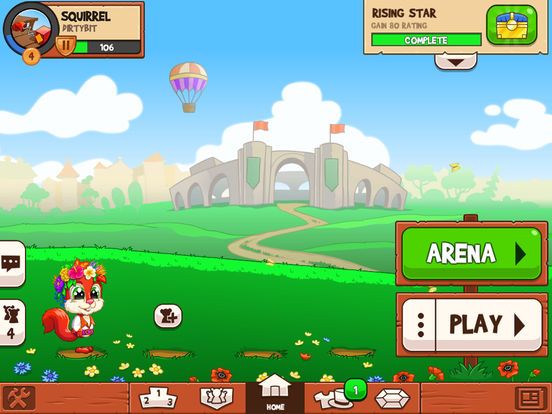
Fun Run 3: Arena
Dirtybit AS
Same platform, Similar gameplay style
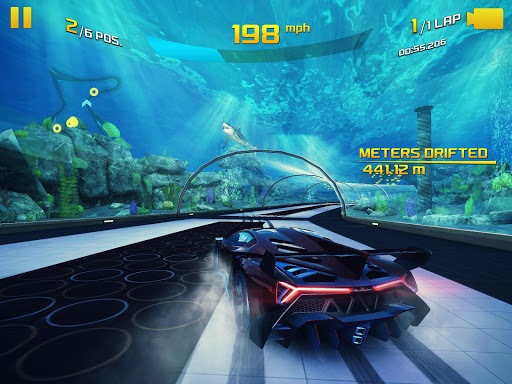
Asphalt 8: Airborne
Gameloft (Gameloft Barcelona lead)
Same platform, Similar gameplay style
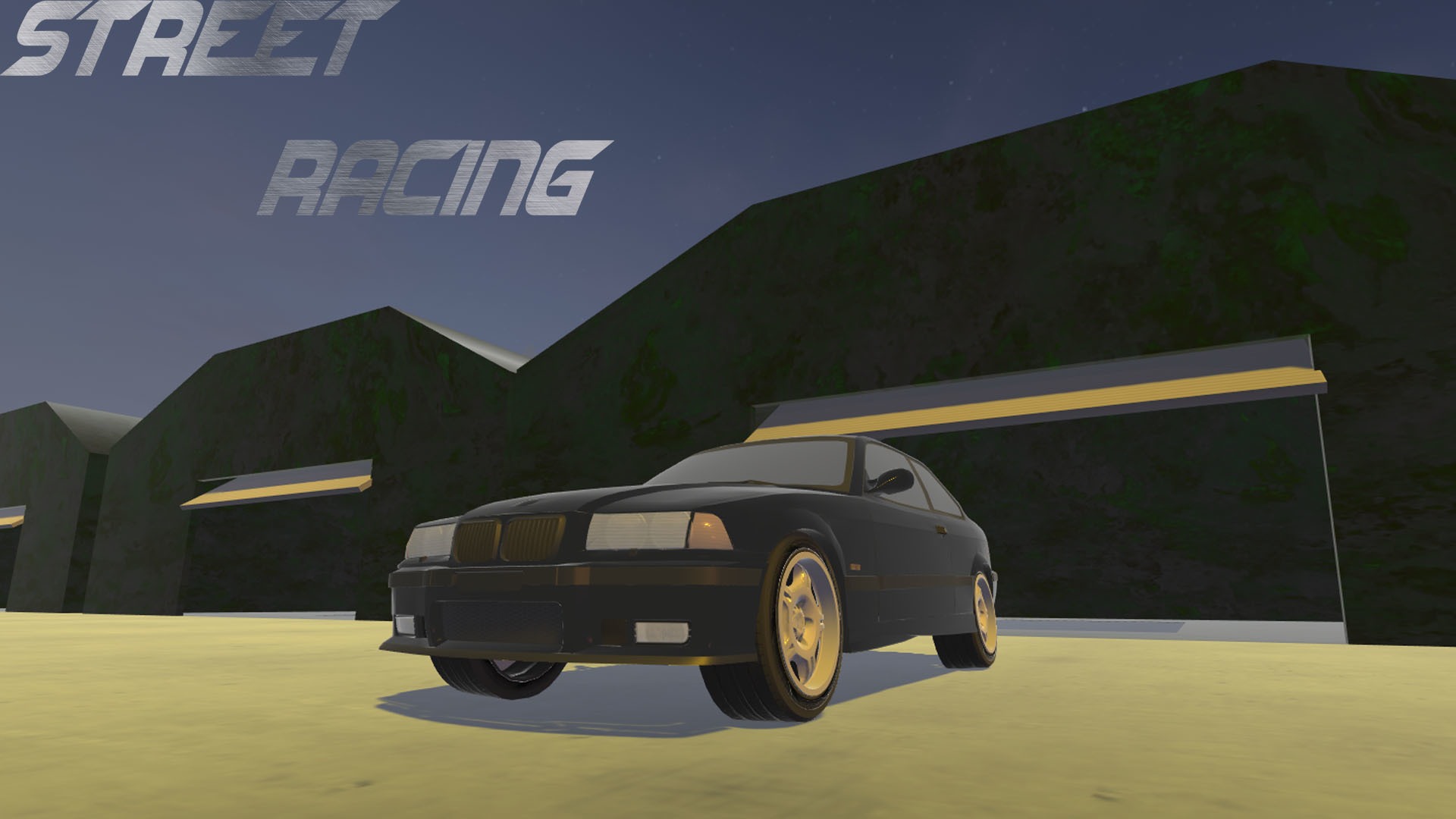
Street Racing
Varies by release (multiple indie/mobile studios — examples: The Rise; Arcade Studios; Technologies&Simulators; Eutechnyx). citeturn1search1turn1search0turn3search4turn3search1
Same platform, Similar gameplay style
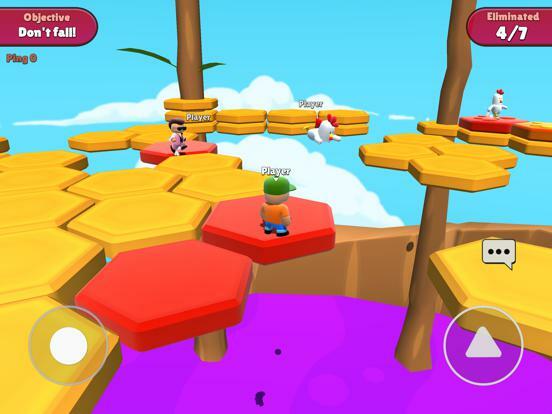
Stumble Guys
Scopely (originally Kitka Games)
Same platform, Similar gameplay style
Official Ratings
Users Interact; In-Game Purchases (Includes Random Items)
Age Fit
Help us rate the next game
GameCompass is free for every family and takes nothing from game studios. A coffee is what puts the next game on the list.
Buy us a coffeeWhat support pays for