
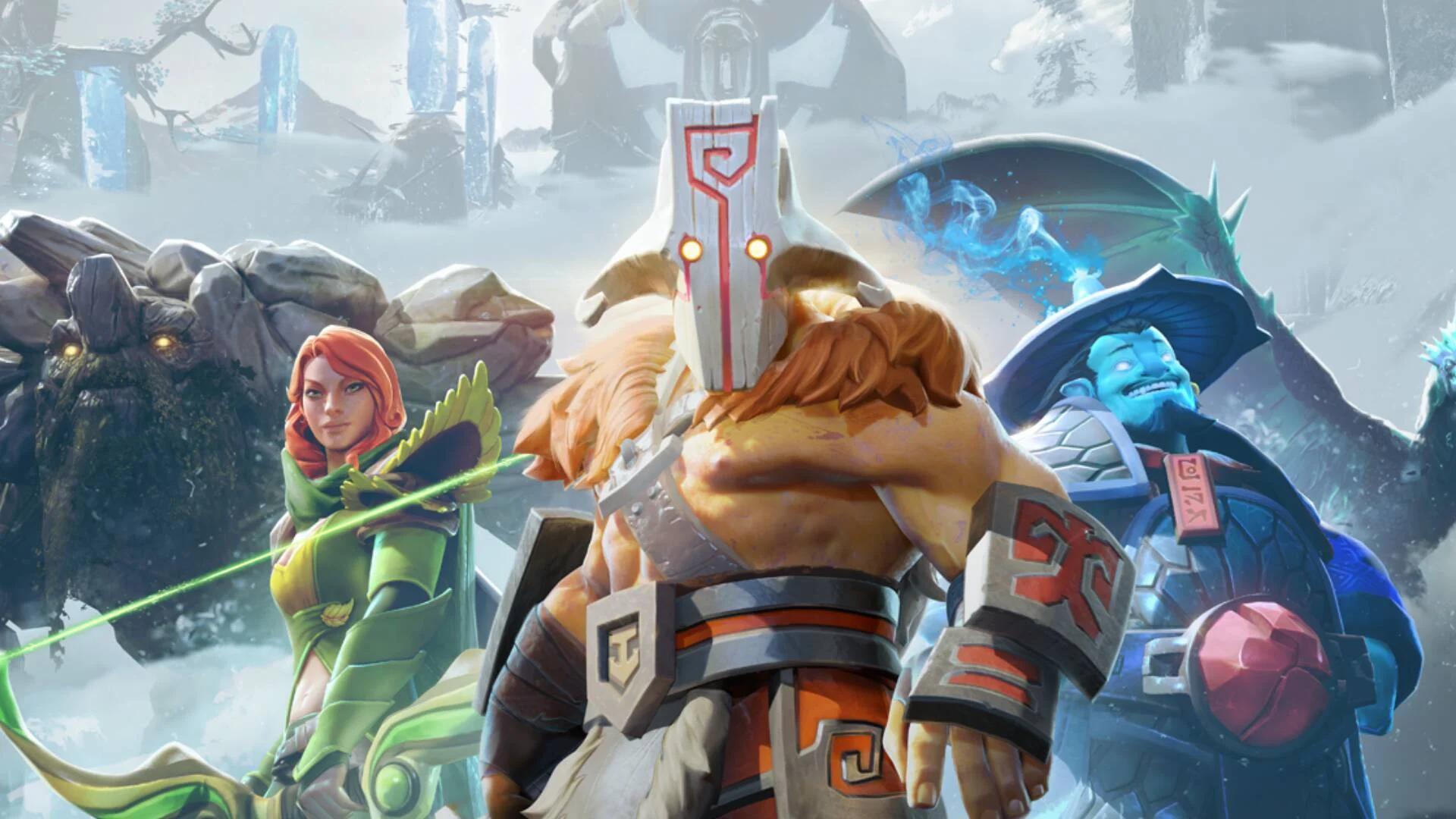
Game images by RAWG
Dota 2
Valve
About This Game
Super ReviewDota 2 offers an immensely deep strategic challenge for dedicated players, where teamwork and skillful decision-making lead to rewarding victories. However, its brutal learning curve, lengthy matches, and notoriously toxic online community mean it's a qualified fit, best reserved for mature teens with clear boundaries and strong parental oversight for online interactions.
Super Review
Parent verdict
Dota 2 is a demanding game that appeals to teens who thrive on competitive strategy and intellectual challenge, but it comes with significant caveats. Its free-to-play model is fair, focusing monetization on cosmetics. However, the game demands substantial time investment for mastery and exposes players to a highly competitive, often toxic, online environment. A score of 43 reflects a decent fit, but only for older, resilient children where parents are prepared to set strict rules regarding online conduct and screen time.
What players actually do
- Players control one of over a hundred unique 'heroes' in a 5v5 team, using a distinct set of abilities to outmaneuver and defeat opponents (exercises strategic thinking, quick decision-making, and understanding complex systems).
- They earn in-game gold by defeating enemy units and opponents, which is spent on powerful items to customize and strengthen their hero's capabilities during each match (develops resource management, tactical adaptation, and build planning).
- Players coordinate with their four teammates to destroy the enemy team's defensive towers and ultimately their main base structure, the 'Ancient' (requires teamwork, communication, map awareness, and objective-focused play).
Where it shines
- Dota 2 offers exceptional strategic depth and complexity, rewarding long-term skill development and intellectual engagement with its intricate mechanics and hero interactions.
- The game strongly emphasizes cooperative team play, fostering collaboration and communication when players work together effectively to achieve common objectives.
Parent watch-outs
- The online environment is notoriously toxic, featuring frequent profanity, insults, and aggressive behavior through text and voice chat, making it unsuitable for younger or sensitive players.
- Matches are long and intense, often lasting 30 minutes to an hour, leading to significant time commitments and a steep, punishing learning curve that can be frustrating for new players.
Family rules worth setting
- Require voice chat and in-game text chat to be muted for strangers, and only allow communication with pre-approved friends or family members.
- Set strict time limits per session and per week, especially for ranked play, and enforce breaks to prevent compulsive or extended play sessions.
Talk about this
- Discuss appropriate online behavior, how to deal with negativity, and the importance of reporting harassment to create a healthier gaming environment for everyone.
- Explore the elements of teamwork and strategy in the game, comparing effective collaboration to real-life group projects or sports teams.
Play style
Dota 2 is a highly competitive multiplayer game played in sessions typically lasting 30 minutes to over an hour, where a child controls a single hero within a five-person team. The difficulty is exceptionally high from the outset, requiring extensive learning and practice, even against bots. Success hinges on deep strategic understanding, quick decision-making, and effective communication with teammates, making it best played cooperatively with friends rather than alone with strangers due to the prevalent social risks.
Score Breakdown
Positive Aspects
Risk Factors
Why this rating
Educational Value
1/5Dota 2 provides minimal direct educational value, primarily focusing on complex strategic thinking and real-time problem-solving within its game systems. While these are valuable cognitive skills, they are specific to the game and do not easily transfer to broader academic or general life learning, hence the low score.
Addictive Monetization
3/5As a free-to-play game, Dota 2 relies on selling cosmetic items, loot boxes, and Battle Passes which do not affect gameplay. However, the desire for unique hero skins and the competitive 'ranked ladder' can drive compulsive spending and extensive play to unlock rewards, contributing to a moderate risk of addictive monetization.
Social Risk
4/5The social risk in Dota 2 is high due to a notoriously toxic online community, with frequent reports of profanity, harassment, and aggressive behavior in both text and voice chat. While the game allows players to communicate and collaborate, negative interactions with strangers are common, requiring proactive use of mute functions.
Pro-Social
3/5Dota 2 is fundamentally a team-based game, requiring close coordination and communication among five players to achieve victory. When played with friends, it can foster strong cooperative play and teamwork; however, the potential for pro-social interactions with strangers is often undermined by the prevalent toxicity in public matches.
Negatives
- •Long, intense matches and very steep learning curve
- •Online chat/voice are notoriously toxic with frequent profanity
- •Ranked ladder and cosmetics can drive compulsive, time‑consuming play (Common Sense Media)
Positives
- •Deep, strategic 5v5 MOBA that rewards planning and teamwork
- •Huge roster encourages experimentation with different heroes and roles
- •Strong cooperative play when queued with friends (Common Sense Media)
Other Recommended Games
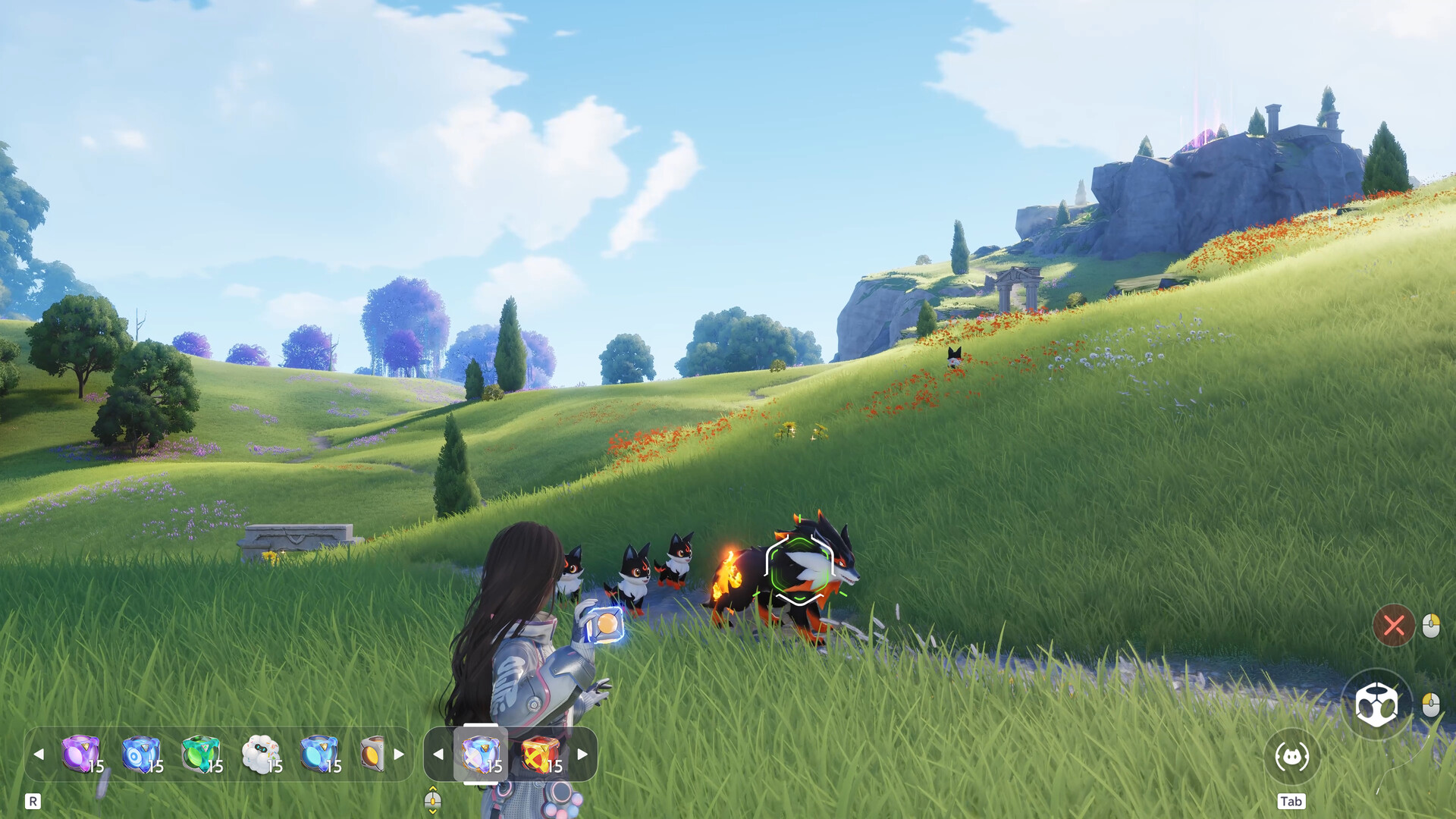
Aniimo
Same platform, Same business model, Similar gameplay style
Rec Room
Rec Room Inc. (Against Gravity)
Same platform, Same business model, Similar gameplay style
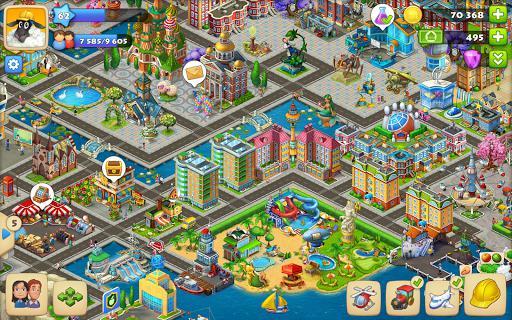
Township
Playrix
Same platform, Same business model, Similar gameplay style
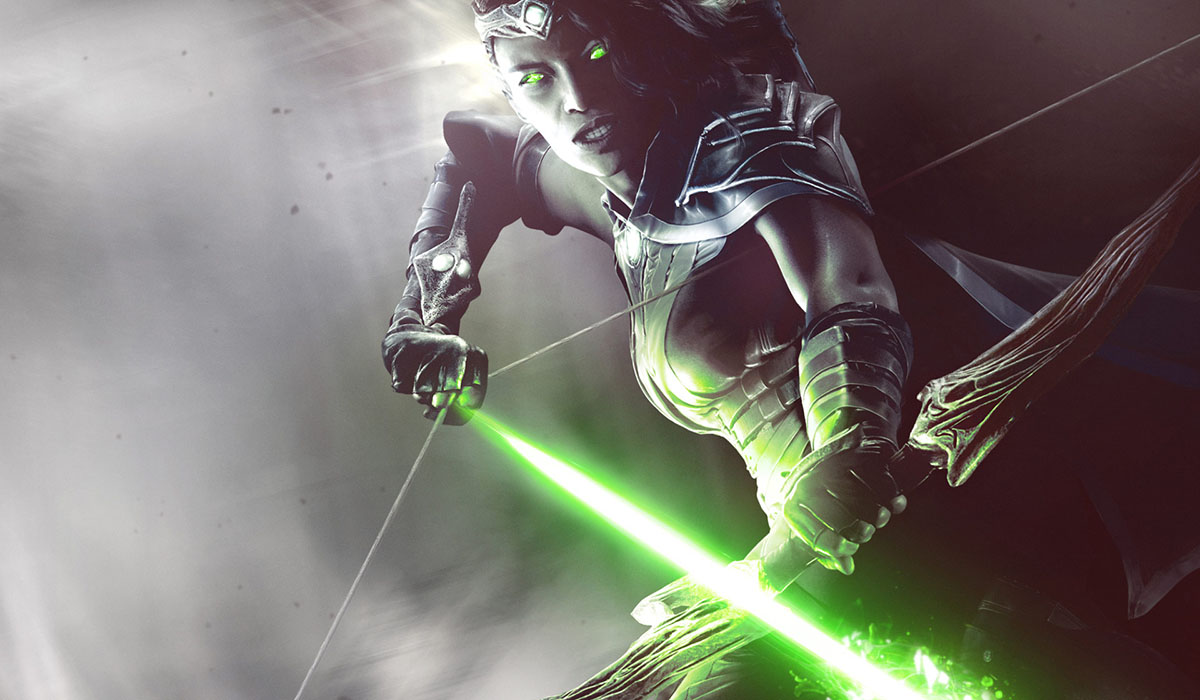
Magic: The Gathering Arena
Wizards of the Coast
Same platform, Same business model, Similar gameplay style
Official Ratings
Online Interactions Not Rated (online matches)
Age Fit
Help us rate the next game
GameCompass is free for every family and takes nothing from game studios. A coffee is what puts the next game on the list.
Buy us a coffeeWhat support pays for