
Game images by RAWG

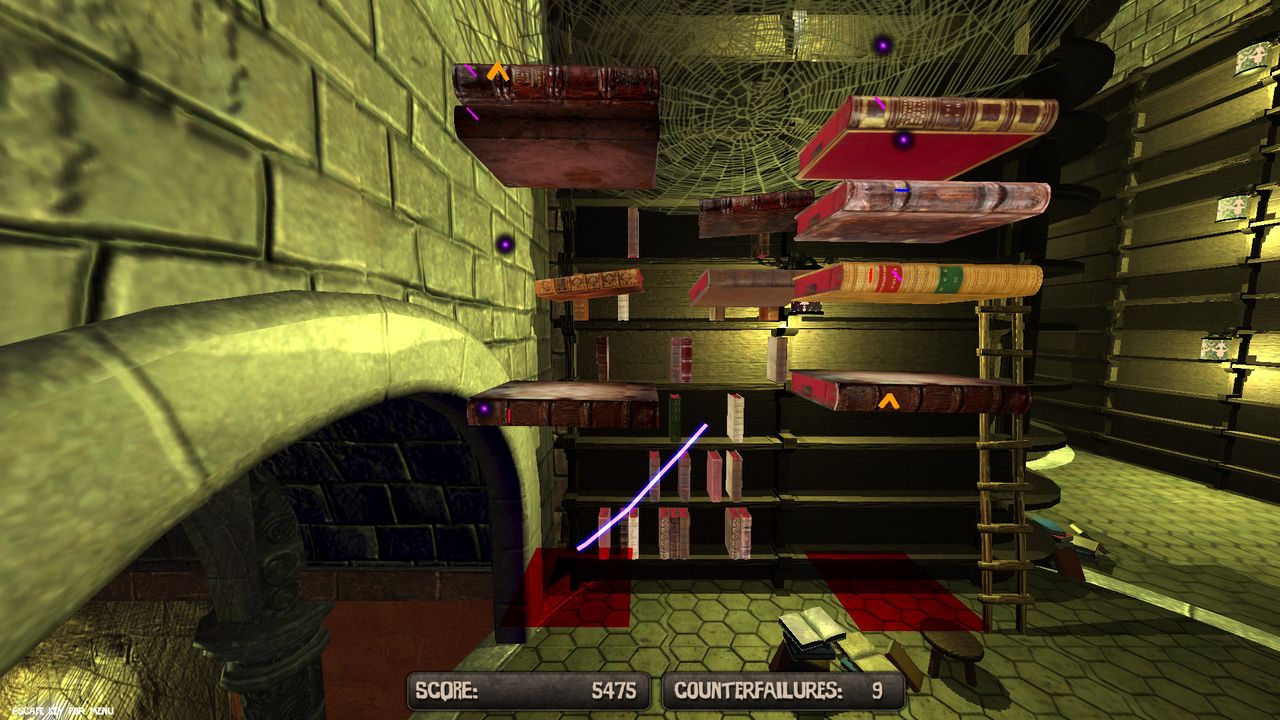
Dracula's Library
G. Malta
About This Game
Super ReviewDracula's Library is a single-player PC puzzle game where players quickly draw symbols to organize books. While it offers modest cognitive skill practice with no monetization or social risks, its repetitive nature and the frustration of time limits for younger players land it a 'Decent' health score, making it a qualified fit best for short bursts of play.
Super Review
Parent verdict
Dracula's Library is a straightforward puzzle game that presents a qualified fit for families, earning its 'Decent' score. It's a solid choice for parents seeking a completely offline, single-player experience without any hidden costs or social exposure. However, the learning value is modest, and the increasing pace of later levels might frustrate players who struggle with quick decision-making under pressure. It works best for families looking for short, focused puzzle sessions rather than deep, engaging play.
What players actually do
- Players quickly draw specific symbols with a magic wand, exercising fine motor skills and pattern recall under timed conditions.
- Players identify and match different types of books to their correct shelf locations, developing organizational skills and visual discrimination.
- Players manage a limited supply of 'counter spells' to recover from mistakes, requiring strategic thinking about when to use these resources.
Where it shines
- The game provides a gentle introduction to pattern matching and organizational puzzles, with a non-threatening, cartoonish premise.
- As a one-time purchase with no in-game store, loot boxes, or online features, it’s completely free from monetization traps and social risks.
Parent watch-outs
- Levels become increasingly frantic, introducing time pressure and the possibility of frustration for players who prefer a slower pace or struggle with quick symbol recognition.
- The game offers no creative outlets; players solely follow set instructions and repeat predefined patterns, limiting opportunities for self-expression.
- Dracula's Library is no longer sold on major platforms, meaning copies are only available through third-party key sellers, which can be less reliable.
Family rules worth setting
- Limit play sessions to 15-20 minutes to prevent burnout from repetitive tasks and the escalating time pressure.
- Encourage players to take breaks if frustration builds during faster levels, emphasizing that the goal is fun, not perfection.
Talk about this
- Discuss the difference between games that require quick reactions versus those that allow for thoughtful, slow-paced problem-solving.
- Talk about the importance of managing expectations when games become difficult and how to handle frustration constructively.
Play style
Sessions are typically short and focused, with players completing individual puzzle levels. The difficulty ramps up gradually, but later levels introduce significant time pressure, demanding quick reflexes and concentration. Players may need help from a parent with reading instructions in earlier levels or managing frustration when the pace becomes frantic. It’s a purely solo activity, without any cooperative or competitive elements.
Score Breakdown
Positive Aspects
Risk Factors
Why this rating
Educational Value
2/5The game provides light, implicit learning through pattern matching and organizational tasks, which can develop cognitive skills. However, this learning is modest and repetitive, primarily focusing on practice rather than teaching new subjects, justifying a score of 2.
Addictive Monetization
0/5Dracula's Library is a premium, one-time purchase game with no in-game store, loot boxes, subscriptions, or any other monetization schemes. This complete absence of monetization risks earns it an ideal score of 0.
Time Pressure / FOMO
1/5While the game doesn't feature FOMO mechanics like daily rewards, it does introduce time pressure with limited 'counter spells' in faster levels. This can create a degree of stress for players, reflected in its minor risk score of 1.
Social Risk
0/5This game is a completely single-player experience with no multiplayer modes, chat functions, or online interactions whatsoever. The absence of any social features means there is zero social risk, meriting a score of 0.
Negatives
- •No creative tools at all: players repeat set symbols rather than build, design or express themselves
- •No cooperative or multiplayer options, so it is a solo activity only
- •Learning value is modest and repetitive
- •it is practice in matching rather than teaching a subject
- •Levels become frantic, and running out of time costs one of a limited number of counter spells, which can frustrate younger or slower players
- •The game is no longer sold on Steam, so copies are only available through third-party key sellers
Positives
- •Light but real learning: pattern matching, symbol recognition and quick organizational thinking are the heart of every level
- •Gentle, kid-friendly premise with a cartoonish magic-wand framing rather than anything frightening
- •One-time purchase with no in-game store, loot boxes or upsells of any kind
- •Completely single-player, so there is no chat, no strangers and no online exposure
- •54 levels ramp up gradually, giving younger players a comfortable on-ramp
Other Recommended Games
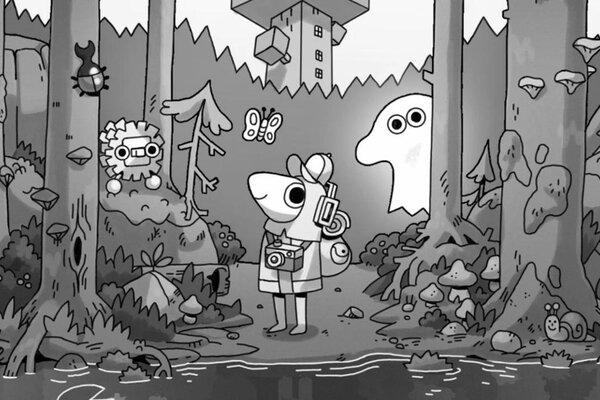
TOEM
Something We Made
Same platform, Same business model, Similar gameplay style, Higher health score
Space Commanders: Solar System
Ziya AL
Same platform, Same business model, Similar gameplay style, Higher health score

Defender Zed-001
Robert E. Hull
Same platform, Same business model, Similar gameplay style

Lego Batman: Legacy of the Dark Knight
TT Games
Same platform, Same business model, Similar gameplay style, Higher health score
Official Ratings
No official ratings available.
Age Fit
Help us rate the next game
GameCompass is free for every family and takes nothing from game studios. A coffee is what puts the next game on the list.
Buy us a coffeeWhat support pays for