
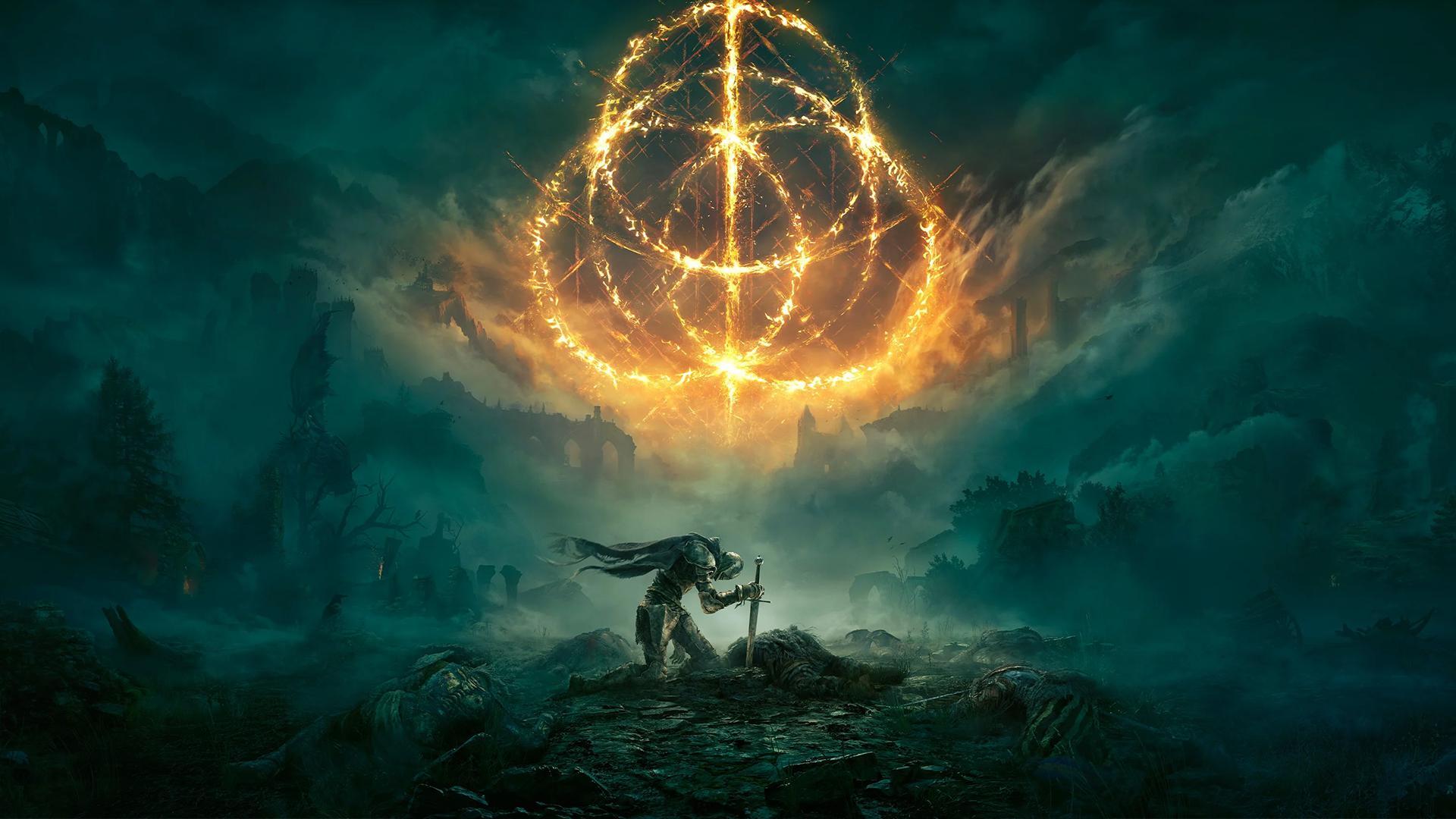
Game images by RAWG

Elden Ring
FromSoftware / Bandai Namco Entertainment
About This Game
Super ReviewElden Ring is a vast, challenging action RPG that demands persistence and strategic thinking, offering immense satisfaction for those who overcome its relentless difficulty. Parents should be aware of its frequent violence, dark fantasy themes, and the potential for frustration, making it a qualified fit primarily for older, resilient teens.
Super Review
Parent verdict
Elden Ring earns a 'Decent' health score of 49, indicating it's a qualified fit that works best for specific, older players with parental guidance. Its brutal difficulty and mature themes mean it's primarily suited for resilient teenagers aged 13 and above who thrive on challenge and dark fantasy narratives. Parents will need to weigh the significant benefits of persistence and strategic problem-solving against the high potential for frustration, frequent violent content, and occasional online social risks. Clear limits on session length and screen time are advisable.
What players actually do
- Players will extensively explore a vast, open-world fantasy setting, uncovering hidden areas, optional bosses, and cryptic lore. This encourages curiosity and a strong sense of discovery.
- Players repeatedly engage in challenging combat, learning enemy attack patterns, timing dodges and attacks, and strategizing character builds to overcome powerful bosses. This builds persistence and pattern recognition.
- Players customize their character with a wide array of weapons, armor, spells, and abilities, adapting their playstyle to different challenges and experimenting with various combat approaches. This fosters strategic thinking and problem-solving.
Where it shines
- The game excels at teaching persistence and resilience, as players must repeatedly attempt difficult encounters, learn from failures, and adapt their strategies to progress.
- Elden Ring offers a strong sense of discovery and mastery through its expansive world and deep combat mechanics, rewarding players who invest time in exploring and perfecting their skills.
Parent watch-outs
- Its extreme difficulty can lead to significant frustration and repeated failures, which might be discouraging for less patient children.
- The game features frequent violent deaths, blood and gore, and dark fantasy monsters, making the content intense and potentially disturbing for younger audiences.
- While primarily a single-player experience, optional online messages and invasions can occasionally expose players to crude language or hostile interactions.
Family rules worth setting
- Set clear time limits for play sessions, especially given the game's difficulty and potential for extended periods of focused concentration.
- Discuss expectations around frustration. Remind your child that difficulty is part of the game's design and encourage them to take breaks when feeling overwhelmed.
Talk about this
- How does Elden Ring teach you to be persistent? What do you do when you face a challenge that seems impossible?
- Let's talk about the online elements. Have you seen any messages or interactions that made you uncomfortable, and how would you handle that in the future?
Play style
Elden Ring is a demanding single-player experience with a session rhythm that can vary from short, intense boss attempts to long stretches of exploration. It features extremely high difficulty, requiring patience, precise timing, and strategic planning. Children will face frequent deaths, but each failure is a learning opportunity. The game can be played entirely offline, minimizing social risk, but optional online features allow players to leave messages for others or engage in player-versus-player combat. Children will often need to research strategies or character builds online to overcome certain obstacles.
Score Breakdown
Positive Aspects
Risk Factors
Why this rating
Educational Value
1/5While Elden Ring heavily promotes persistence and strategic problem-solving, its educational value beyond these specific skills is limited. The game's primary focus is on combat and exploration rather than academic or broad developmental learning, leading to a low score of 1.
Addictive Monetization
1/5Elden Ring is a premium single-player title with optional DLC, meaning it avoids the manipulative design often found in free-to-play games. There are no loot boxes, gacha mechanics, or pay-to-win elements designed to encourage excessive spending, resulting in an excellent score of 1 for addictive monetization.
Content Intensity
4/5The game features frequent, explicit violence, blood and gore, and pervasive dark fantasy themes with grotesque monsters, justifying a high content intensity score of 4. This level of mature content is a significant watchout for parents and directly contributes to its M (Mature 17+) and PEGI 16 ratings.
Negatives
- •Very difficult and potentially frustrating
- •Dark themes and frequent violent deaths
- •Online messages and invasions can occasionally be crude or hostile
Positives
- •Excellent at teaching persistence
- •pattern recognition and strategic thinking
- •Strong sense of discovery and mastery
- •Offline play minimizes social risk
Gameplay Videos
Other Recommended Games

Spiritfarer
Thunder Lotus Games
Same platform, Similar gameplay style, Higher health score
LEGO Harry Potter Collection
TT Games; Double Eleven (remaster)
Same platform, Similar gameplay style, Higher health score
The LEGO Ninjago Movie Video Game
TT Games / Traveller's Tales (TT Fusion). citeturn3search12
Same platform, Similar gameplay style, Higher health score

Project Zomboid
The Indie Stone
Same platform, Similar gameplay style, Higher health score
Official Ratings
In-Game Purchases (DLC)
Age Fit
Help us rate the next game
GameCompass is free for every family and takes nothing from game studios. A coffee is what puts the next game on the list.
Buy us a coffeeWhat support pays for