
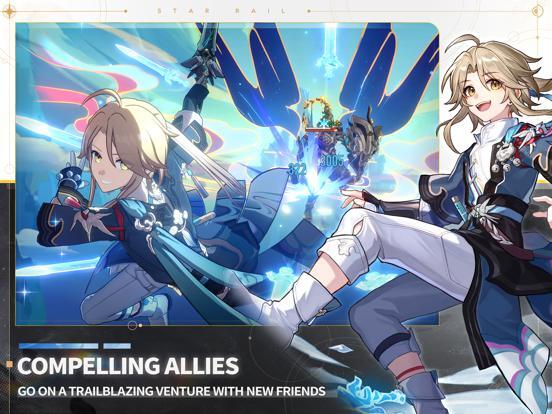
Game images by RAWG
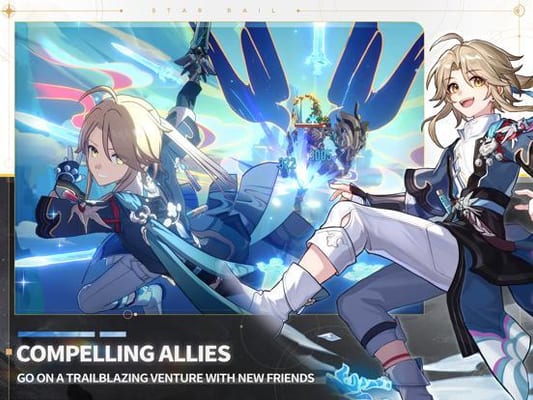
Honkai: Star Rail
HoYoverse
About This Game
Super ReviewHonkai: Star Rail is a visually striking sci-fi RPG with deep tactical turn-based combat and an engaging story. However, its free-to-play model heavily relies on gacha mechanics, battle passes, and daily login incentives, creating significant pressure to spend money and play frequently. While strategic team building offers some mental exercise, parents should be vigilant about spending limits and time management given its addictive monetization. [Health Score: Mixed (34)]
Super Review
Parent verdict
Honkai: Star Rail is a mixed bag, best suited for older teens with strong financial discipline and an understanding of gacha mechanics' odds. The game offers high-quality production, including a captivating narrative and satisfying combat, which can be enjoyed without significant spending if players are patient. However, its aggressive monetization and time-limited events mean that younger players, or those prone to impulse spending, are at high risk. Families considering this game should prioritize clear, strict boundaries around purchases and daily play sessions.
What players actually do
- Players strategically assemble teams of characters, considering elemental types and combat roles, which exercises planning and problem-solving skills.
- Players engage in turn-based battles, selecting character abilities and targeting weaknesses, requiring tactical thinking and foresight.
- Players progress through story missions and side quests, reading dialogue and lore, which strengthens reading comprehension and engagement with narratives.
Where it shines
- The game boasts impressive art direction, character design, and a high-quality musical score, creating an immersive and polished experience.
- Its turn-based combat system is deep and rewarding, encouraging players to experiment with character synergies and strategic approaches to overcome challenging encounters.
Parent watch-outs
- The gacha system and associated 'banners' actively encourage players to spend money on randomized character and item pulls, which can feel like simulated gambling and lead to significant unplanned expenses.
- Daily quests, time-limited events, and battle passes create a strong sense of urgency and fear of missing out (FOMO), pressuring players into frequent, lengthy play sessions to maximize rewards.
Family rules worth setting
- Set strict, non-negotiable limits on in-game spending, ensuring no purchases are made without direct parental approval, or disable in-app purchases entirely.
- Establish clear daily time limits for play sessions, particularly around daily resets and event deadlines, to prevent excessive grinding and burnout.
Talk about this
- Discuss the psychology behind gacha mechanics: how probabilities work, why games use them, and the difference between entertainment and investing money in virtual items.
- Talk about the 'fear of missing out' (FOMO) in games: how timed events and daily rewards are designed to keep players engaged and how to manage those feelings to prioritize real-world activities.
Play style
Honkai: Star Rail is primarily a solo experience, though it features optional social functions like borrowing support characters from friends. Sessions can range from quick daily tasks lasting 15-30 minutes to longer story progression or event grinding sessions that might extend for hours. The difficulty scales, with early content being accessible, but later challenges and endgame activities requiring significant strategic planning and character investment. Players may need help understanding complex character builds and optimizing team compositions.
Score Breakdown
Positive Aspects
Risk Factors
Why this rating
Educational Value
1/5Educational Value scores 1 because while the game requires strategic thinking for combat and team building, and reading for its extensive story, these benefits are overshadowed by its strong monetization and lack of broader learning opportunities. The core gameplay loop emphasizes collecting over creative problem-solving or social collaboration.
Addictive Monetization
5/5Addictive Monetization scores 5, reflecting the game's aggressive implementation of gacha mechanics for new characters and light cones, battle passes, and cosmetic purchases. These systems are designed to encourage continuous spending through randomness, limited-time offers, and a constant flow of desirable new content, posing a significant risk for impulsive or susceptible players.
Time Pressure / FOMO
3/5Time Pressure / FOMO receives a score of 3 due to the game's daily login bonuses, recurring events with limited durations, and a battle pass that incentivizes consistent play to unlock rewards. This structure can create a fear of missing out on valuable resources or characters, encouraging players to log in and play daily, sometimes for extended periods, to maximize progress and avoid feeling left behind.
Social Risk
3/5Social Risk scores 3 because while the game is primarily a solo experience, it includes social features like a friend system for borrowing support characters and an in-game chat function. These features, combined with the competitive aspect of character collection and team optimization, could expose players to negative social interactions, pressure, or comparisons regarding spending and rare acquisitions within player communities.
Negatives
- •Gacha pulls, banners and battle passes are highly monetized
- •FOMO events and dailies encourage daily logins and grinding.
Positives
- •Strong art, music and tactical combat
- •some educational value in planning team synergies and reading-heavy story arcs.
Gameplay Videos
Other Recommended Games
Official Ratings
Users Interact; In-Game Purchases (Includes Random Items)
Age Fit
Help us rate the next game
GameCompass is free for every family and takes nothing from game studios. A coffee is what puts the next game on the list.
Buy us a coffeeWhat support pays for