
Game images by RAWG
MONOPOLY GO!
Scopely
About This Game
Super ReviewMONOPOLY GO! brings the classic board game to mobile, focusing on collecting properties and earning virtual money. While it offers familiar gameplay and encourages social interaction, its free-to-play model relies heavily on monetization mechanics and daily events that can create pressure to spend and play frequently. This game is best for families who can set clear limits on screen time and in-app purchases.
Super Review
Parent verdict
MONOPOLY GO! provides a recognizable and social board game experience for children, leveraging the appeal of the classic game. However, its 'Decent' health score of 47 reflects the significant presence of monetization strategies and daily login incentives that can encourage continuous play and spending. This game works best for older children and families who are prepared to actively manage in-app purchases and discussions around financial decisions, ensuring it remains a fun pastime rather than a source of pressure.
What players actually do
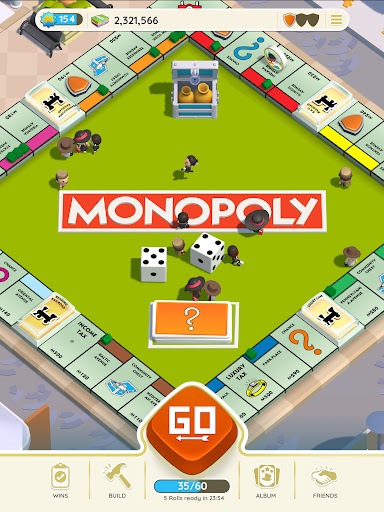
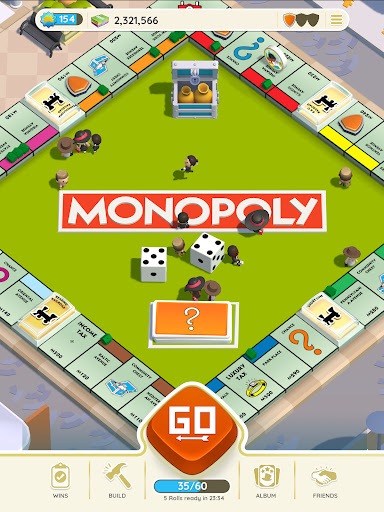
- Players roll virtual dice to move around a familiar Monopoly board, landing on spaces to buy properties, collect rent, and engage in mini-games.
- Players build up their virtual cities by upgrading properties, which requires collecting in-game currency and other resources over time.
- Players can interact with friends by sending stickers, exchanging properties, and attacking their friends' boards, leading to competitive but often friendly exchanges.
- Players participate in limited-time events and challenges, often requiring specific actions or accumulated rolls to earn rewards and progress.
Where it shines
- The game successfully translates the core appeal of Monopoly into a quick, accessible mobile format, making a classic game available on the go.
- It offers opportunities for social interaction and light competition among friends and family, promoting a sense of shared activity.
Parent watch-outs
- The game's progression system is closely tied to in-app purchases, where real money can accelerate progress, acquire rare items, and bypass waiting times.
- Daily login bonuses and limited-time events are designed to encourage consistent engagement, potentially leading to a feeling of missing out if a child doesn't play regularly.
Family rules worth setting
- Set a strict budget for in-app purchases, or disable them entirely, to prevent impulse spending on virtual items and dice rolls.
- Establish clear time limits for daily play sessions to manage engagement and prevent the game's daily rewards from dictating screen time.
Talk about this
- Discuss the concept of virtual currency versus real money, and how games use rewards and sales to encourage spending.
- Talk about the feeling of 'missing out' when games offer limited-time events and how to balance game engagement with other activities.
Play style
MONOPOLY GO! is designed for frequent, short play sessions, with players rolling dice and performing quick actions to progress. The difficulty is generally low, relying more on luck of the dice and resource management. While playable solo, the social features for trading and attacking friends' boards are a core part of the experience, encouraging competitive interactions. Children might need parental guidance to understand the monetization aspects and manage their playtime effectively.
Score Breakdown
Positive Aspects
Risk Factors
Why this rating
Educational Value
2/5While the game involves managing virtual money and properties, the simplified mechanics and prevalence of luck minimize deep financial learning, resulting in a low score of 2. It offers very basic exposure to economic concepts, but not in a way that truly fosters robust understanding.
Addictive Monetization
3/5The game strongly encourages spending real money for in-game advantages like more dice rolls and faster progression, justifying a score of 3. This model can create a strong incentive for children to make purchases to keep playing or gain an edge.
Time Pressure / FOMO
3/5Daily login rewards, limited-time events, and frequently refreshing mini-games create a sense of urgency and fear of missing out (FOMO), leading to a score of 3. These mechanics are designed to encourage consistent and prolonged play sessions, potentially making it hard for children to disengage.
Pro-Social
3/5The game actively promotes interaction with friends through features like sending stickers and attacking opponents' boards, earning it a score of 3. While competitive, these interactions generally fall within the realm of friendly competition, fostering a social connection.
Negatives
- •Monetization mechanics can encourage spending for advantages.
- •Daily login rewards and events may create a sense of urgency.
- •Social features involve interaction with other players, posing some risk.
Positives
- •Encourages basic financial literacy through managing virtual money.
- •Promotes social interaction and friendly competition with others.
- •Offers a familiar and accessible gameplay experience based on a classic board game.
Other Recommended Games

Township
Playrix
Same platform, Same business model, Similar gameplay style
Pizza Ready!
Same platform, Same business model, Similar gameplay style
Arrows GO!
Same platform, Same business model, Similar gameplay style
Puzzles & Survival
Same platform, Same business model, Similar gameplay style
Official Ratings
Age Fit
Help us rate the next game
GameCompass is free for every family and takes nothing from game studios. A coffee is what puts the next game on the list.
Buy us a coffeeWhat support pays for