
Game images by RAWG
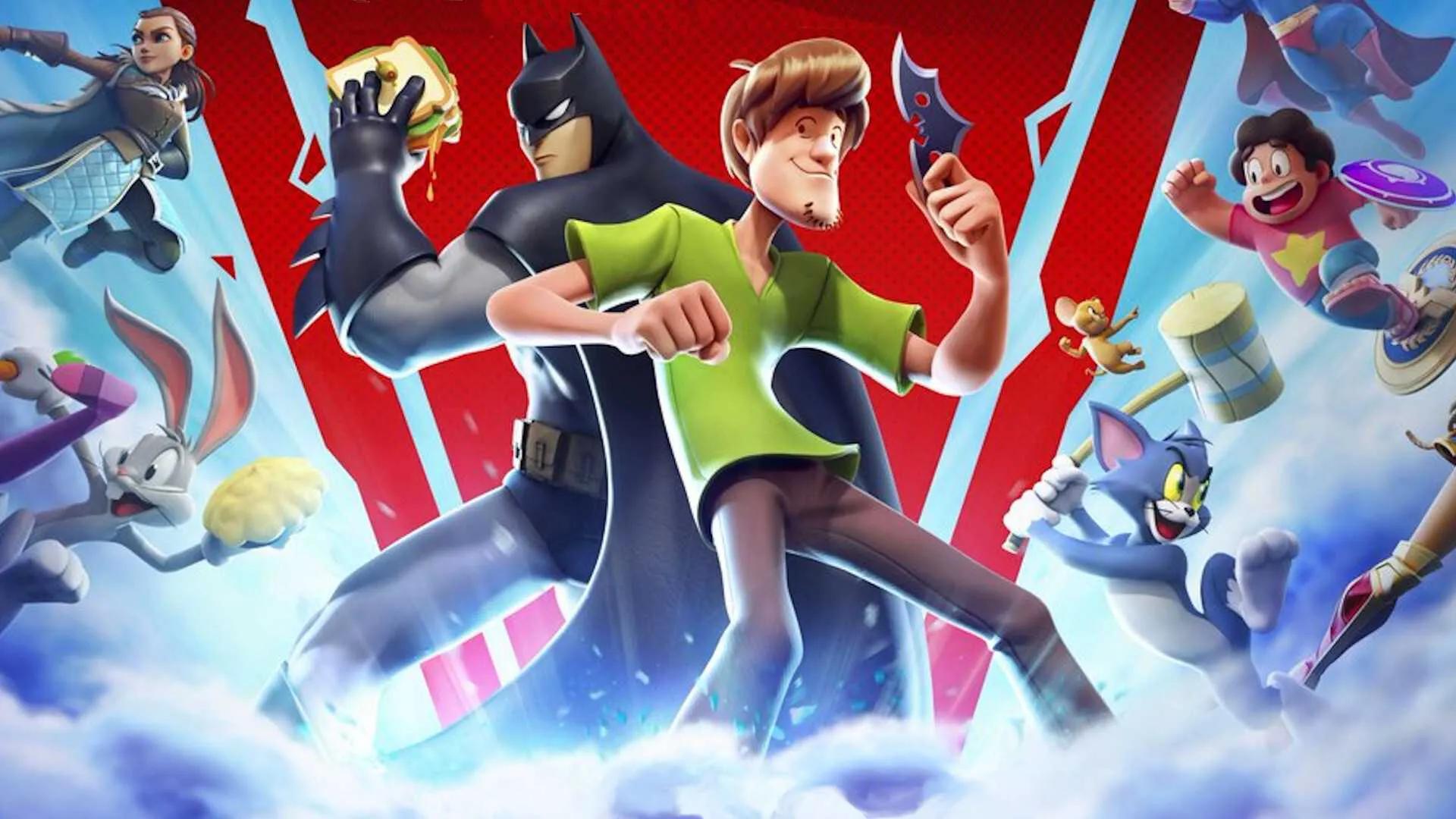
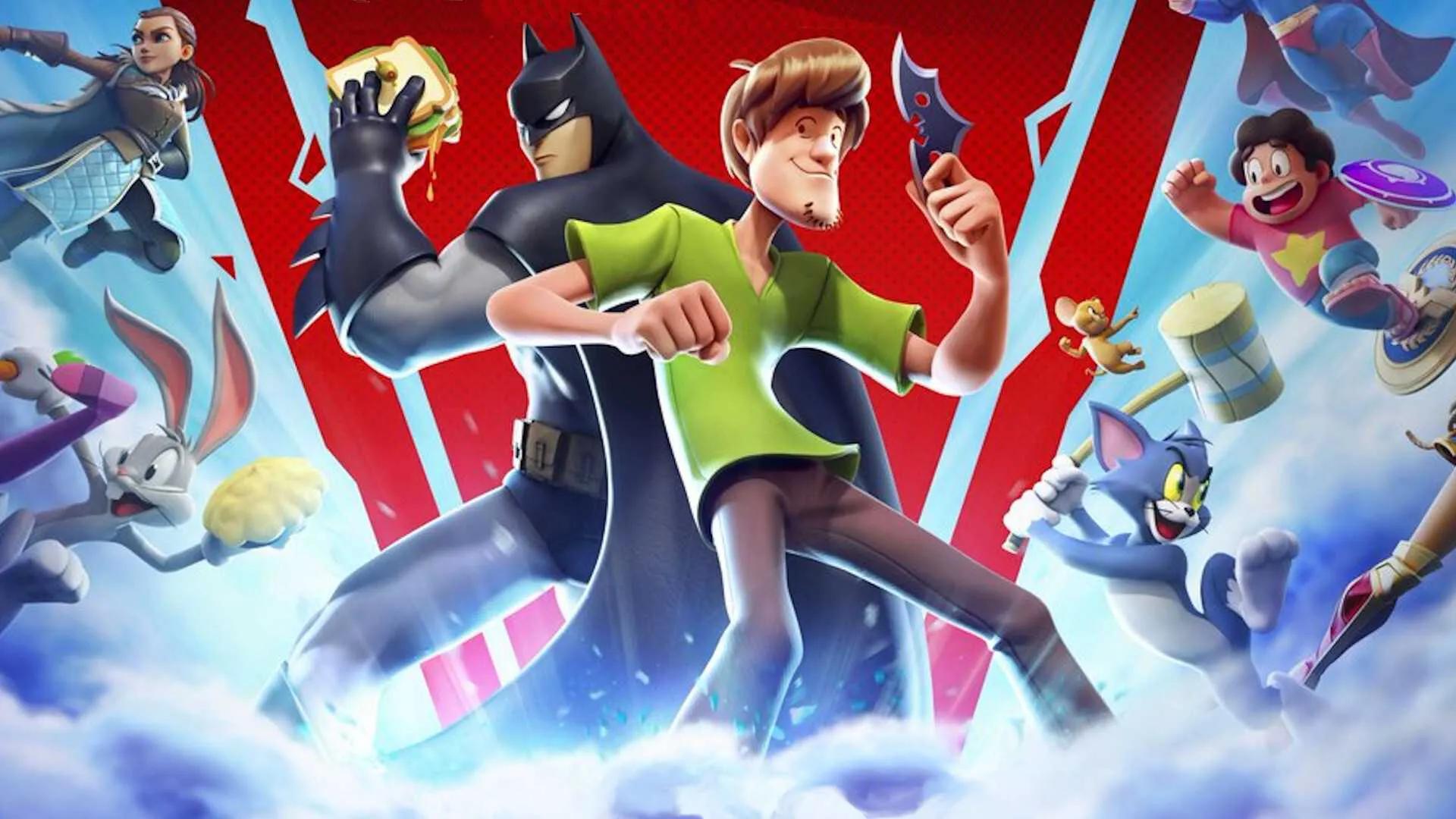
MultiVersus
Player First Games (published by Warner Bros. Games)
About This Game
Super ReviewMultiVersus offers engaging, cooperative 2v2 brawls with beloved characters. Its free-to-play model, however, comes with aggressive monetization tactics and online social risks that require careful parental management. Best for older children and teens who can navigate spending pressures and online interactions.
Super Review
Parent verdict
MultiVersus is a mixed experience for families. Its core team-based combat is genuinely fun and promotes cooperation, especially with its diverse cast of well-known characters. However, the game's live-service, free-to-play nature means it pushes hard for in-game purchases through battle passes and time-limited cosmetics. This constant upsell pressure, combined with exposure to strangers and mild toxicity in online matches, makes it a cautious recommendation, best suited for older children and teens who understand digital economies and online safety, with firm parental limits in place.
What players actually do
- Players choose iconic characters and engage in 2v2 platform battles, cooperating with a teammate to knock opponents off the stage using special moves and character synergies.
- Players complete daily and weekly challenges to earn in-game currency and progress through a battle pass, which encourages regular play sessions and engagement with different game modes.
- Players customize their favorite characters with purchased or unlocked cosmetic items like skins, ring-out animations, and banners, which reflects personal style and game investment.
Where it shines
- The 2v2 team gameplay strongly encourages cooperation and strategic thinking, as children learn to combine character abilities effectively with a partner.
- The game's cross-play and local multiplayer options make it easy for friends and family to play together, fostering shared experiences across different platforms or on the same couch.
Parent watch-outs
- The game features aggressive monetization with battle passes, rotating cosmetic stores, and premium currency, creating significant pressure for children to make in-game purchases.
- Online matchmaking exposes players to strangers, potentially leading to mild profanity, toxic behavior, or cyberbullying, even with limited communication options.
- The live-service model meant game features, including online play, could be removed or altered, creating uncertainty about long-term availability and value of purchases.
Family rules worth setting
- Disable all in-game purchase options through platform parental controls and discuss that no real money should be spent within the game.
- Limit online play to specific times or pre-approved friends, and prioritize local or couch co-op for a more controlled social experience.
Talk about this
- Discuss the concept of 'free-to-play' games and how they make money, helping children understand why certain items cost money and why they are time-limited.
- Talk about good sportsmanship and online etiquette, emphasizing how to respond to frustration or negative interactions from other players, and when to report or block someone.
Play style
MultiVersus offers quick, energetic matches that are easy to jump into for short or longer sessions. Difficulty scales based on opponent skill in online modes, which can be frustrating for newer players. It heavily favors cooperative 2v2 play, making teamwork crucial. While solo play is an option, the game's design encourages social interaction. Younger children may need help understanding character movesets and navigating the progression systems and monetization menus.
Score Breakdown
Positive Aspects
Risk Factors
Why this rating
Educational Value
1/5MultiVersus offers minimal educational value. While it can promote strategic thinking in combat, it does not incorporate explicit learning objectives or academic content.
Addictive Monetization
4/5The game's free-to-play model heavily relies on aggressive monetization, including battle passes, rotating cosmetic stores, and premium currency. This creates significant pressure on players to make in-game purchases and spend real money for aesthetic unlocks.
Pro-Social
3/5The core 2v2 gameplay strongly encourages cooperation and teamwork, as players must synergize character abilities to win. This fosters positive social interaction when playing with friends or family, though online play with strangers can be a mixed experience.
Social Risk
4/5Online matchmaking exposes players to strangers, leading to potential social risks such as mild profanity, toxicity, or bullying, despite in-game communication limitations. This necessitates parental supervision and discussion around online safety and appropriate responses.
Time Pressure / FOMO
3/5The game's live-service model, battle pass, and time-limited cosmetic offerings create pressure for continuous play and spending. This can lead to a 'fear of missing out' (FOMO) if players don't engage regularly or make purchases before items disappear.
Negatives
- •Aggressive free-to-play monetization (battlepass, time-limited cosmetics, premium currency) and upsell pressure
- •online matchmaking exposes players to strangers and occasional mild profanity/toxicity
- •the live-service nature meant online features could be removed (servers were scheduled to shut down).
Positives
- •Team-focused 2v2 gameplay encourages cooperation and strategy
- •family-friendly, cartoonish presentation with broadly recognizable characters
- •cross-play and local multiplayer available.
Gameplay Videos
Other Recommended Games
Mobile Legends: Bang Bang
Moonton (published in US by Skystone Games)
Same platform, Similar gameplay style
Marvel Rivals
NetEase Games / Marvel Games
Same platform, Similar gameplay style
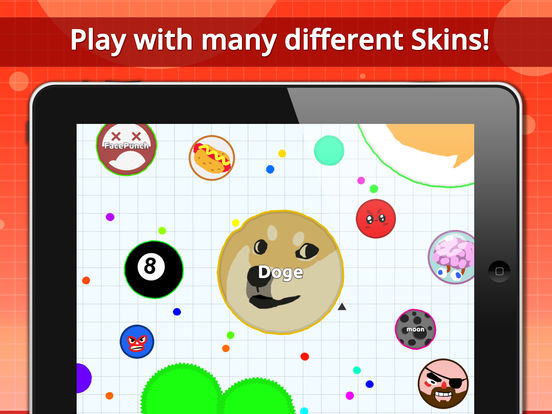
Agar.io
Matheus Valadares (published by Miniclip)
Same platform, Similar gameplay style
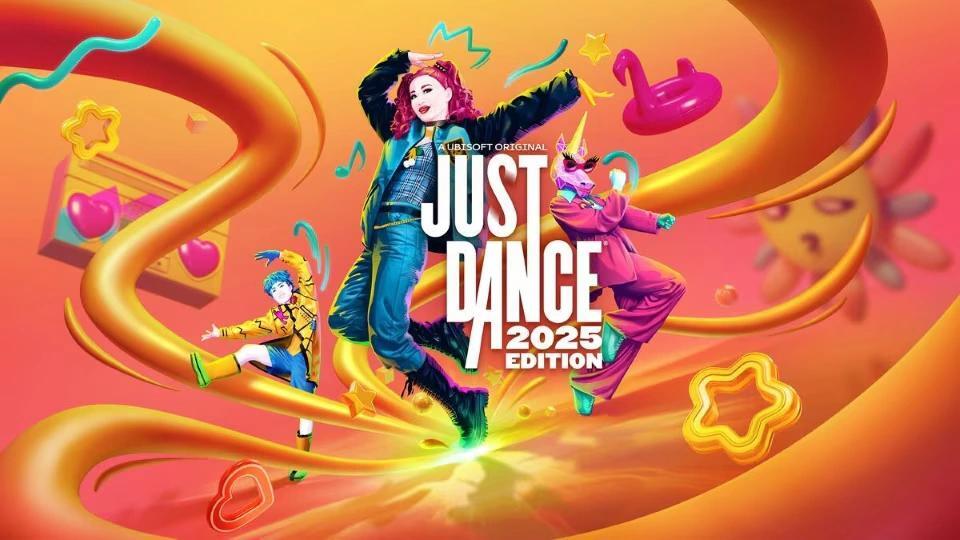
Just Dance 2025 Edition
Ubisoft (Ubisoft Paris)
Same platform, Similar gameplay style
Official Ratings
In-Game Purchases; Online Interactions (matchmaking)
Age Fit
Help us rate the next game
GameCompass is free for every family and takes nothing from game studios. A coffee is what puts the next game on the list.
Buy us a coffeeWhat support pays for