
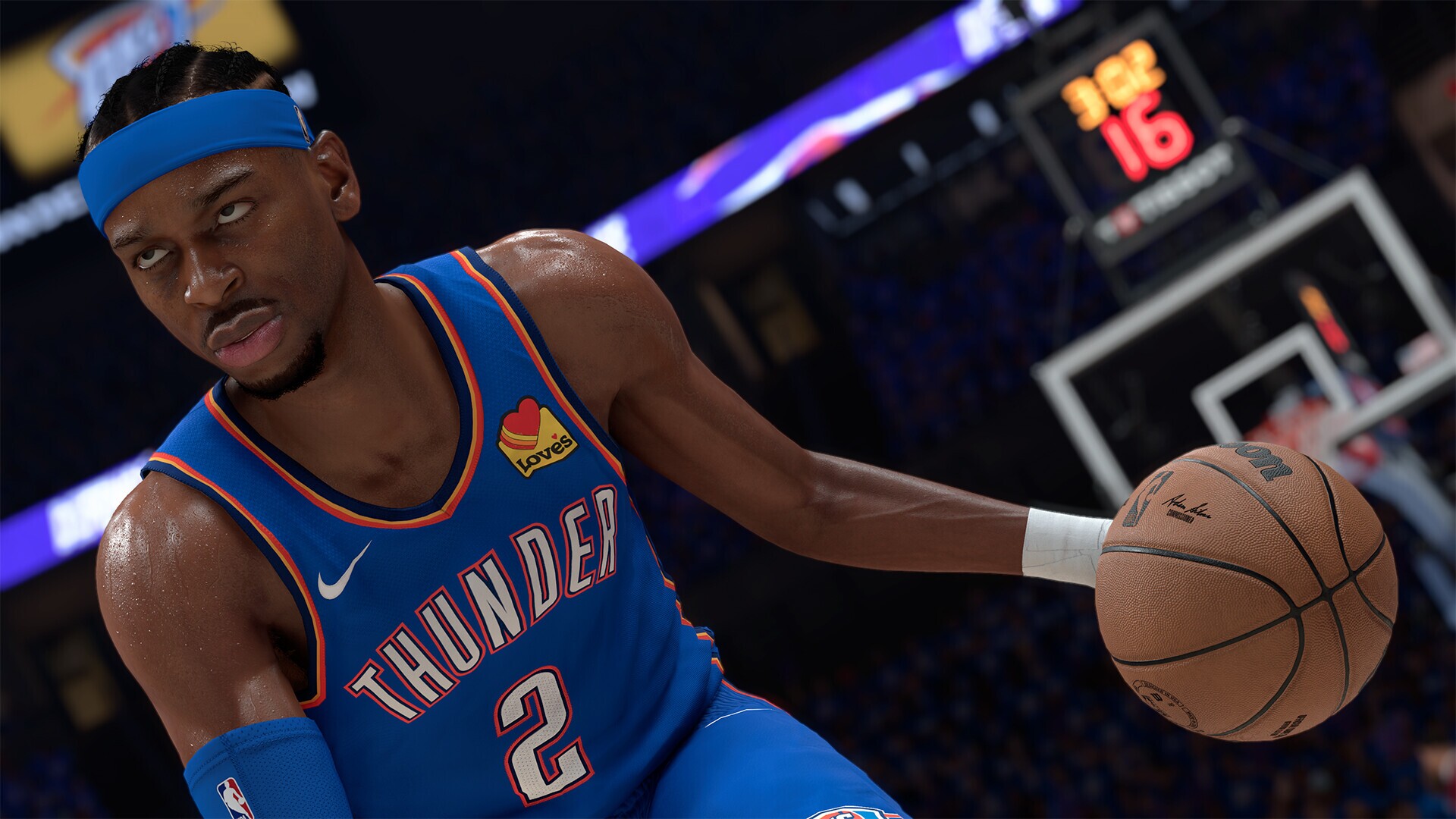
Game images by RAWG
NBA 2K26
Visual Concepts (2K Sports)
About This Game
Super ReviewNBA 2K26 offers a realistic basketball simulation, allowing players to master complex controls and manage teams. While it teaches basic basketball strategy, its aggressive monetization through virtual currency, card packs, and lengthy daily grinds presents significant risks for impulsive spending and excessive playtime. Parents should be cautious and set firm boundaries for this mixed-fit title.
Super Review
Parent verdict
NBA 2K26 is a challenging game for parents to navigate, earning a Mixed fit due to its aggressive monetization and time-consuming progression systems. It’s best suited for dedicated basketball fans who can enjoy the core gameplay while parents maintain strict oversight on spending and screen time. The deep simulation is engaging, but the constant pressure to buy Virtual Currency or grind for rewards creates an environment where children can feel compelled to keep up with peers or spend money.
What players actually do
- Players control basketball players in realistic matches, running plays, timing shots, and coordinating defense, which teaches fundamental basketball rules and strategy.
- Players can customize their own virtual athletes and build fantasy teams in MyTEAM mode, fostering creativity and strategic team management.
- Engage in online park matches or competitive modes, interacting with other players in a social, yet often status-driven, environment.
Where it shines
- The game effectively teaches basketball rules, player spacing, and basic statistics through its authentic simulation gameplay.
- It provides enjoyable cooperative play on the couch, allowing families to share a sporting experience together without online pressures.
Parent watch-outs
- Virtual currency and card packs are central to player progression in several modes, creating strong incentives for in-game purchases, including random items.
- Online modes, particularly the 'park,' can foster a status-driven culture where players feel pressured to spend money to acquire better gear or players and keep up with others.
- The game features long grinds and daily challenges designed to encourage extended play sessions, potentially crowding out other activities.
Family rules worth setting
- Set firm limits on all in-game purchases, explaining that virtual currency offers no real-world value and can quickly add up.
- Establish strict daily or weekly time limits for play, especially for online modes, to prevent excessive grinding and maintain a balanced lifestyle.
Talk about this
- Discuss the nature of 'random item' purchases (loot boxes/card packs) and how their mechanics can resemble gambling, making it important to understand the risks.
- Talk about social pressures in online communities and how to avoid feeling compelled to spend money or play excessively to keep up with friends or perceived status.
Play style
Sessions can range from quick exhibition matches to lengthy career mode stints or extended online grinds, depending on the chosen mode. The controls are deep and require practice, making it difficult for casual players, especially younger ones, who may need parental assistance. It supports solo play, local co-op, and competitive online interactions, with online modes presenting higher social and monetization friction.
Score Breakdown
Positive Aspects
Risk Factors
Why this rating
Educational Value
2/5While NBA 2K26 teaches fundamental basketball rules, spacing, and basic statistics through its realistic simulation, its educational value is secondary to its entertainment and competitive aspects. The learning is embedded in gameplay rather than explicitly designed for education.
Addictive Monetization
5/5The game features a business model heavily reliant on virtual currency and card packs, which are crucial for progression in several key modes like MyTEAM and MyCAREER. This aggressive monetization, including random item purchases, creates strong incentives for continuous spending and is a significant risk for children.
Time Pressure / FOMO
4/5NBA 2K26 incorporates long grinds and daily challenges across its various modes, particularly MyCAREER and MyTEAM. These mechanics encourage extensive play sessions to earn rewards and progress, creating a significant time pressure and risk of 'fear of missing out' (FOMO).
Social Risk
3/5Online components like 'The Park' expose players to social interactions that can be highly competitive and status-driven, where perceived value is often tied to in-game spending. This environment can create social pressure to conform or spend to keep up with peers.
Negatives
- •Virtual currency and packs dominate progression in several modes
- •Online park culture can be very status and spending driven
- •Long grinds and daily challenges can crowd out other activities
Positives
- •Teaches basketball rules, spacing and basic statistics
- •Can be fun to play cooperatively on the couch
- •Customization of players and teams lets sports fans express themselves
Other Recommended Games
EA SPORTS FC 25 (second entry)
EA Vancouver; EA Romania
Same platform, Similar gameplay style
NBA 2K25
Visual Concepts
Same platform, Similar gameplay style
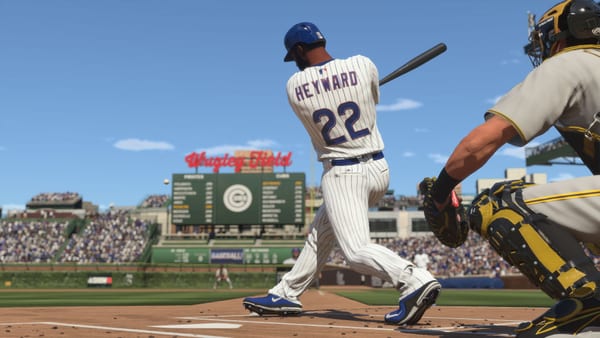
MLB The Show 25
San Diego Studio
Same platform, Similar gameplay style

EA SPORTS Madden NFL 25
EA Tiburon
Same platform, Similar gameplay style
Official Ratings
Users Interact (online park, competitive modes); In-Game Purchases (VC, packs, cosmetics)
Age Fit
Help us rate the next game
GameCompass is free for every family and takes nothing from game studios. A coffee is what puts the next game on the list.
Buy us a coffeeWhat support pays for