
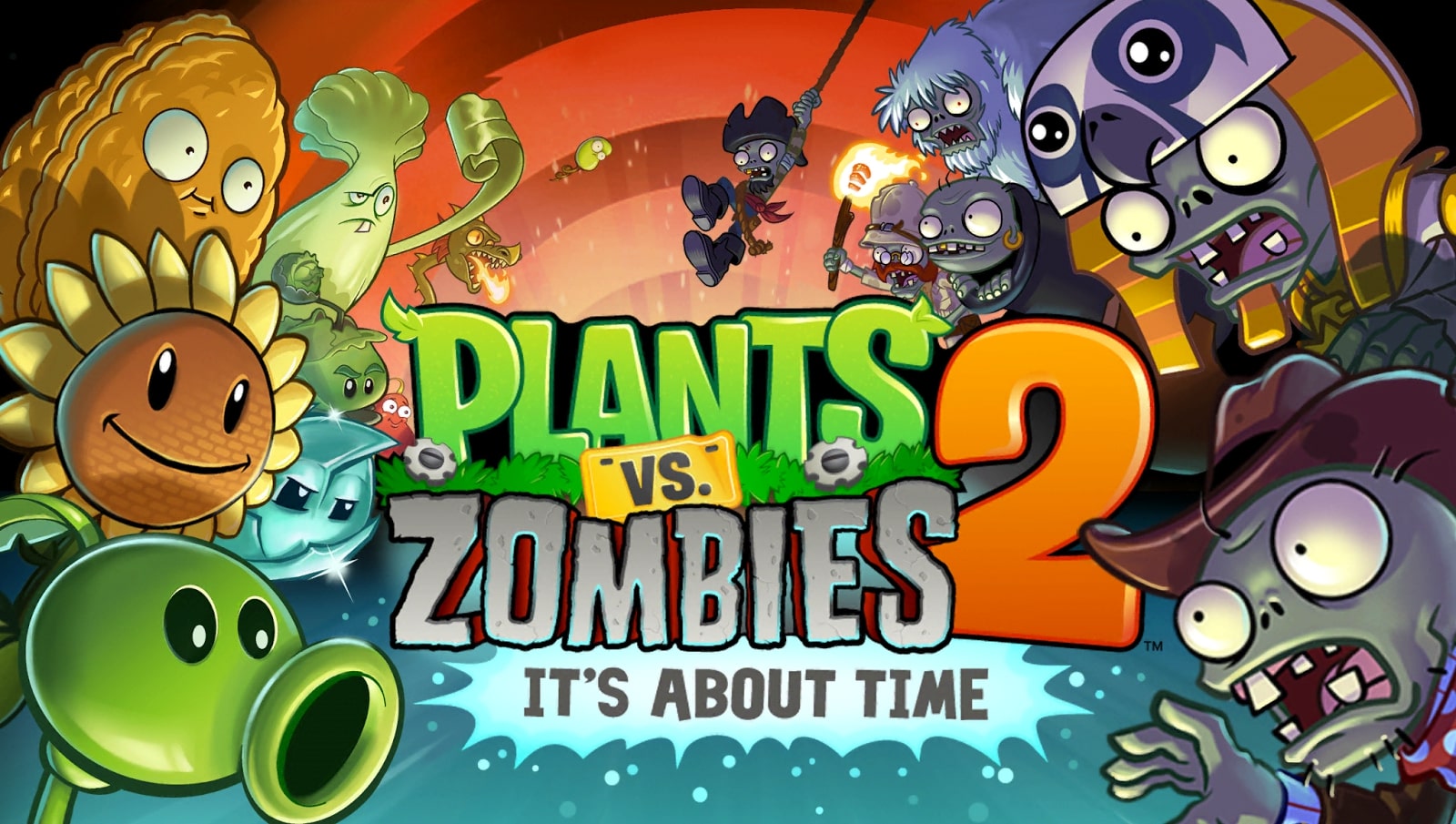
Game images by RAWG
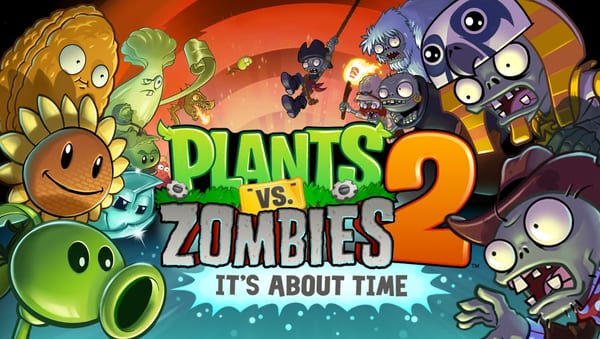
Plants vs. Zombies 2
PopCap Games (EA)
About This Game
Super ReviewPlants vs. Zombies 2 offers solid tower defense strategy, encouraging planning and quick thinking against humorous cartoon zombies. However, its free-to-play model heavily relies on aggressive in-app purchases and grind-heavy progression, creating significant pressure to spend money or invest excessive time. Parents should be cautious and set clear boundaries around spending and play duration.
Super Review
Parent verdict
Plants vs. Zombies 2 is a qualified fit that requires careful parental supervision due to its aggressive monetization tactics. While the core strategy gameplay is engaging and promotes problem-solving, the game's design, with frequent pop-ups for purchases and difficulty spikes that push paid solutions, makes it a risky choice for unsupervised play. It's best for players who can resist spending pressure and where adults actively manage in-app purchases and screen time.
What players actually do
- Players strategically place a variety of plants with unique abilities on a grid to defend against waves of approaching zombies, exercising planning and resource management skills.
- Players manage limited sun resources to plant defenses, requiring quick decision-making and cause-and-effect thinking under pressure.
- Players unlock new plants and progress through time-themed worlds, adapting strategies to counter new zombie types and environmental challenges.
Where it shines
- Engaging tower defense strategy provides thoughtful challenges, encouraging players to experiment with different plant combinations and tactical placements.
- Humorous art style and quirky plant and zombie designs keep the cartoon violence lighthearted and prevent the theme from being too intense for younger players.
Parent watch-outs
- Frequent pop-up advertisements for in-game bundles, premium plants, and time-limited offers can create significant pressure for players to make in-app purchases.
- The game's progression often feels like a grind, with difficulty spikes that sometimes appear designed to encourage players to buy boosts or powerful premium plants to advance.
Family rules worth setting
- Disable all in-app purchase options on the device before allowing play to prevent unintentional or pressured spending.
- Set clear time limits for play sessions, especially for events, to mitigate the game's grind-heavy progression and sense of urgency.
Talk about this
- Discuss how free-to-play games often use tactics like limited-time offers and difficulty spikes to encourage players to spend money, and why it's important to resist impulse purchases.
- Talk about the value of patience and persistence in overcoming challenges, rather than resorting to spending money to bypass difficult sections.
Play style
Plants vs. Zombies 2 is a mobile tower defense game primarily played solo. Sessions can range from quick level attempts to longer grinding for in-game currency or event rewards. Difficulty can spike, sometimes feeling unfairly high without premium plants or boosts, leading to frustration. While core mechanics are easy to grasp, mastering advanced strategies and plant synergies requires patience. Players may need help with particularly challenging levels or to understand the monetization strategies at play.
Score Breakdown
Positive Aspects
Risk Factors
Why this rating
Educational Value
0/5While the game encourages planning and resource management, these are inherent to strategy games and not its primary educational focus. It does not offer explicit learning content or direct educational outcomes, resulting in a low score.
Addictive Monetization
4/5The game's free-to-play model is built around numerous in-app purchases for plants, boosts, and packs, frequently promoted through pop-ups. This aggressive monetization, coupled with difficulty spikes that feel tuned to encourage spending, makes it highly addictive and earns a high-risk score.
Time Pressure / FOMO
4/5Plants vs. Zombies 2 heavily relies on grinding events and premium plants, often with limited-time offers and events designed to create a sense of urgency. This constant pressure to play, engage with events, or miss out on rewards contributes to a significant time pressure risk.
Negatives
- •Modern updates emphasize grinding events and premium plants
- •Pop ups and bundles can pressure kids to ask for purchases
- •Difficulty spikes sometimes seem tuned around paid boosts
Positives
- •Encourages planning, resource management and cause and effect thinking
- •Humorous art keeps zombie theme light
- •Levels can be replayed creatively with different plant loadouts
Gameplay Videos
Other Recommended Games
Talking Tom Gold Run
Outfit7 Limited
Same platform, Similar gameplay style

Animals & Coins Adventure Game
Innplay Labs
Same platform, Similar gameplay style
Hole.io
Voodoo
Same platform, Similar gameplay style
Pokémon Masters EX
DeNA Co., Ltd.
Same platform, Similar gameplay style
Official Ratings
In-Game Purchases; Online leaderboards and events
Age Fit
Help us rate the next game
GameCompass is free for every family and takes nothing from game studios. A coffee is what puts the next game on the list.
Buy us a coffeeWhat support pays for