
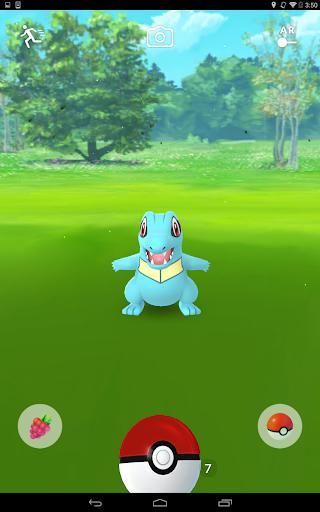
Game images by RAWG
Pokémon GO
Niantic
About This Game
Super ReviewPokémon GO offers a unique blend of digital collecting and real-world exploration, encouraging players to get active outdoors. While its core loop of catching creatures by walking is engaging, parents should be aware of significant monetization pressures and the inherent safety considerations of navigating public spaces while distracted. It’s a decent choice, best enjoyed with active parental involvement.
Super Review
Parent verdict
Pokémon GO is a qualified fit for families, landing a 'Decent' health score due to its engaging outdoor play tempered by notable risks. It's best for families who can actively supervise play, set strict spending limits, and establish clear rules about outdoor safety and screen time. The game shines when parents use it as a tool for shared walks and exploration, rather than a hands-off entertainment option, making it worth considering if parents are prepared for active management.
What players actually do
- Players walk around their neighborhood and beyond, using a smartphone's GPS to find and 'catch' virtual Pokémon that appear on the screen, promoting physical activity.
- Players tap on virtual PokéStops and Gyms found at real-world landmarks to collect items, battle other Pokémon, and participate in cooperative raid battles with nearby players, encouraging exploration and teamwork.
- Players manage their collection of Pokémon, evolving them, trading with friends, and competing in trainer battles against other players or AI, fostering strategic thinking and resource management.
Where it shines
- The game actively encourages physical activity and outdoor exploration, transforming routine walks into an engaging hunt for virtual creatures.
- Cooperative raid battles and trading mechanics facilitate social interaction, prompting players to team up with friends or local community members to achieve shared goals.
Parent watch-outs
- Players are often distracted by their phones while walking in public, creating significant safety risks related to traffic, unfamiliar areas, and interactions with strangers.
- The game features aggressive monetization tactics, particularly for desirable items like raid passes and lures, which can lead to frequent requests for in-app purchases or a feeling of missing out.
- A constant internet connection and significant battery drain are required, making it less accessible for younger players or those without reliable mobile data plans.
Family rules worth setting
- Establish a 'buddy system' or mandate adult supervision for all outdoor play sessions to ensure safety and awareness of surroundings.
- Set clear spending limits, or disable in-app purchases entirely, to prevent impulse buys and manage expectations around premium items.
- Define specific play zones or routes (e.g., only in parks, or specific sidewalks) to avoid dangerous areas and limit screen time during outdoor activities.
Talk about this
- Discuss the importance of situational awareness: how to stay safe while walking in public, recognizing traffic, and being mindful of strangers.
- Explore the game's monetization model: why certain items cost money, the value of patience versus instant gratification, and the impact of in-app purchases.
- Talk about good sportsmanship and online etiquette when participating in multiplayer battles or trades with other players.
Play style
Pokémon GO thrives on short, frequent play sessions that require active movement outdoors. It's generally easy to learn but demands patience and strategic planning for optimal progression, especially with limited resources. Players can enjoy it solo for casual collecting or engage in cooperative play through raids and trading, which often requires coordination with others. Younger players will likely need help understanding item management and battling strategies, as well as constant supervision for outdoor safety.
Score Breakdown
Positive Aspects
Risk Factors
Why this rating
Educational Value
4/5The game scores a 4 because it intrinsically motivates players to engage in physical activity and explore their local environment, inadvertently teaching geography and observation skills. While not directly academic, it encourages real-world interaction that can be beneficial.
Addictive Monetization
4/5Pokémon GO receives a 4 for its addictive monetization, driven by recurring limited-time events, desirable item boosts (like lures and incubators), and raid passes that often require direct purchase to participate fully. This model frequently pressures players to spend money to keep pace or access exclusive content.
Pro-Social
4/5The game earns a 4 in Pro-Social aspects due to its strong emphasis on cooperative gameplay through raid battles and trading, which fosters teamwork and community interaction. Many local groups form around the game, encouraging players to meet and collaborate in person.
Time Pressure / FOMO
4/5Pokémon GO scores a 4 for Time Pressure/FOMO (Fear Of Missing Out) due to its constant rotation of limited-time events, exclusive Pokémon, and daily bonuses that encourage continuous engagement. Players often feel compelled to play regularly to collect all available content and avoid missing out on special opportunities.
Negatives
- •Outdoor safety risks – pay attention to traffic/strangers
- •Strong monetization – lures, raid passes often require money or waiting
- •Requires a smartphone and data – not always accessible to younger children
Positives
- •Gets kids active outdoors, exploring and exercising
- •Promotes social interaction – raid battles encourage teamwork
- •Harmless Pokémon brand appeal (collecting creatures in real life)
Other Recommended Games

Tasty Travels: Merge Game
Century Games Pte. Ltd.
Same platform, Same business model, Similar gameplay style
MONOPOLY GO!
Scopely
Same platform, Same business model, Similar gameplay style
Arrows GO!
Same platform, Same business model, Similar gameplay style
Puzzles & Survival
Same platform, Same business model, Similar gameplay style
Official Ratings
Users Interact (raids/trades); In-Game Purchases (coins for items)
Age Fit
Help us rate the next game
GameCompass is free for every family and takes nothing from game studios. A coffee is what puts the next game on the list.
Buy us a coffeeWhat support pays for