
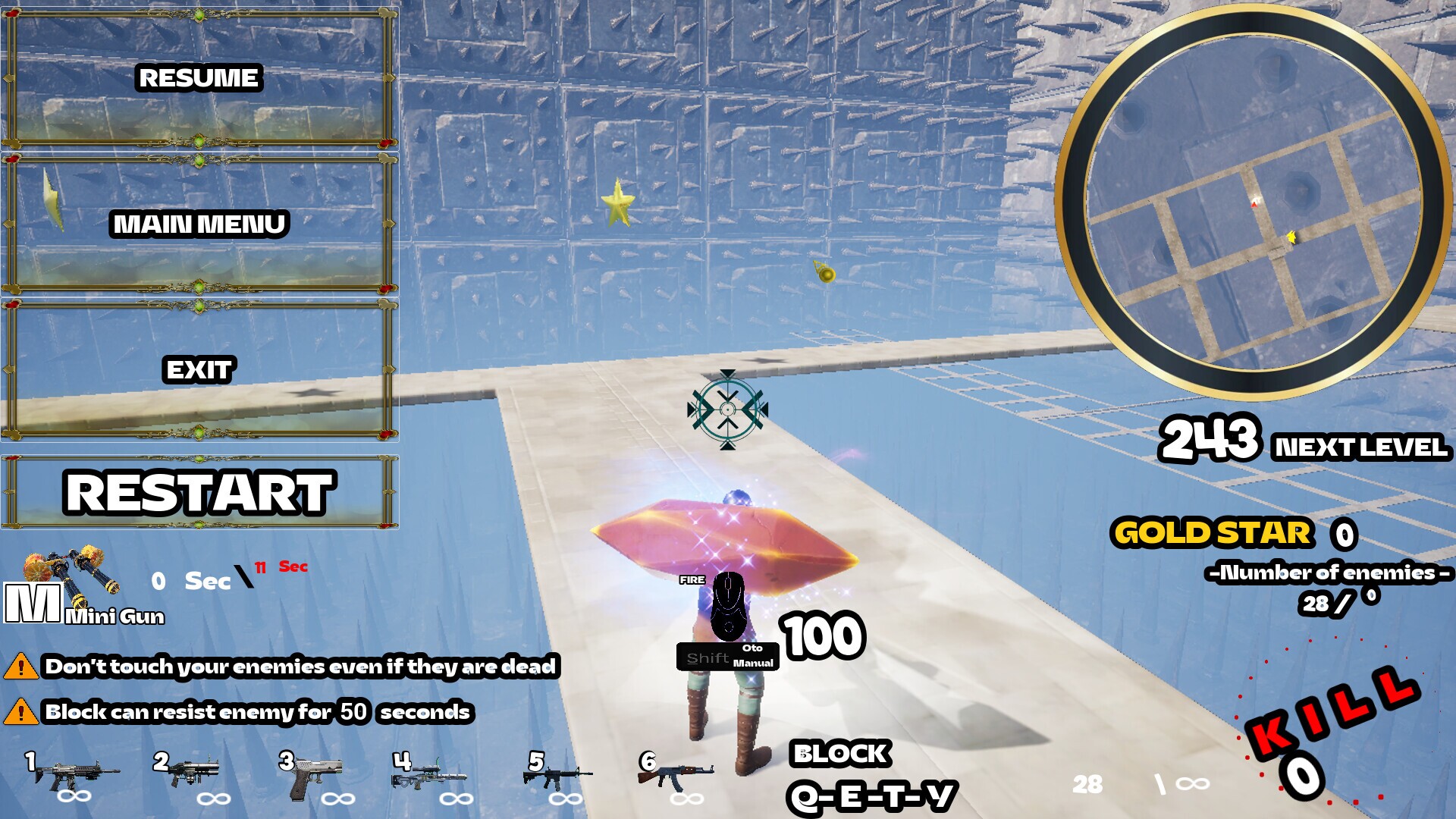
Game images by RAWG

Protecting the diamond
WhiteBlue3D
About This Game
Super ReviewProtecting the diamond is a straightforward single-player tower defense game focused on strategic block placement to defend a valuable object. It offers a clear, one-time purchase model with no in-app spending or social risks, making it a simple option for focused play. However, the gameplay lacks creative freedom and cooperative elements, and timed objectives may create a moderate sense of urgency.
Super Review
Parent verdict
Protecting the diamond offers a qualified fit for families seeking a solitary strategic challenge. With a health score of 50 (Decent), this game works best for children who enjoy planning and problem-solving without needing social interaction or creative outlets. Its premium, single-player nature ensures a safe and predictable experience, though the lack of variety might limit its long-term appeal for some. It's worth considering if your child thrives on focused, time-bound objectives.
What players actually do
- Players place various blocks on a grid to form defenses, exercising spatial reasoning and strategic planning to anticipate enemy paths.
- Players observe enemy movements on a mini-map, practicing pattern recognition and predictive thinking to adapt their defenses.
- Players manage resources and timing to ensure the diamond's survival against waves of attackers, building skills in tactical decision-making under moderate pressure.
Where it shines
- The game encourages strategic thinking and problem-solving, as children must effectively place blocks and anticipate enemy movements to succeed in each level.
- Its premium business model means a single, upfront purchase covers the entire experience, completely eliminating concerns about in-app purchases or additional monetization.
- As a strictly single-player experience, there is no exposure to online strangers or potentially toxic chat, providing a secure play environment.
Parent watch-outs
- The game provides no opportunities for creative expression, building, or designing, which might be a drawback for children who enjoy open-ended play.
- It lacks any social or cooperative features, making it unsuitable for children looking for shared gaming experiences with friends or family.
- Gameplay relies on time-bound objectives, which may create a moderate sense of urgency or pressure, especially for younger or more sensitive players.
Family rules worth setting
- Set a time limit for each play session, especially if your child is sensitive to the game's timed objectives, to ensure balanced play.
- Discuss and help your child strategize during difficult levels, encouraging collaboration on problem-solving even in a single-player game.
Talk about this
- How did your strategy for defending the diamond change as the enemies became more challenging? What did you learn about planning ahead?
- Since this game is entirely solo, how is that different from playing games with friends? What do you like or dislike about both experiences?
Play style
Protecting the diamond features a focused, level-based rhythm where sessions typically involve defending the diamond for a set duration against waves of enemies. Difficulty arises from increasingly complex enemy paths and limited resources, requiring careful planning. It's a strictly solo experience with no co-op or social elements. Children may need help initially understanding optimal block placement or recovering from early mistakes.
Score Breakdown
Positive Aspects
Risk Factors
Why this rating
Educational Value
3/5The game strongly encourages strategic thinking and problem-solving, as players must anticipate enemy paths and make tactical decisions about block placement. This consistent engagement with planning and adapting strategies justifies an educational value score of 3.
Addictive Monetization
0/5Protecting the diamond is a premium, one-time purchase with no in-app purchases, additional monetization, or exploitative progression loops. This clear and ethical business model results in a perfect score of 0 for addictive monetization risks.
Time Pressure / FOMO
2/5The core gameplay involves defending a diamond for a set duration in each level, inherently creating time-bound objectives and a moderate sense of urgency. While not overwhelming, this constant time pressure warrants a score of 2, indicating a noticeable but manageable risk for some players.
Negatives
- •Offers no opportunities for creative expression, building, or designing.
- •Lacks any social or cooperative features, making it unsuitable for shared play experiences.
- •Gameplay relies on time-bound objectives, which may create a moderate sense of urgency.
Positives
- •Encourages strategic thinking and problem-solving through block placement and anticipating enemy movements.
- •A straightforward, one-time purchase with no in-app purchases or additional monetization.
- •A completely single-player experience, eliminating exposure to online strangers or toxic chat.
- •All-ages appropriate content with no explicit violence or mature themes.
Gameplay Videos
Other Recommended Games

Space Commanders: Solar System
Ziya AL
Same platform, Same business model, Similar gameplay style, Higher health score
Songs of Glimmerwick
Eastshade Studios
Same platform, Same business model, Similar gameplay style, Higher health score

Lego Batman: Legacy of the Dark Knight
TT Games
Same platform, Same business model, Similar gameplay style, Higher health score
Panthalassa
Meia Calça
Same platform, Same business model, Similar gameplay style
Official Ratings
No official ratings available.
Age Fit
Help us rate the next game
GameCompass is free for every family and takes nothing from game studios. A coffee is what puts the next game on the list.
Buy us a coffeeWhat support pays for