
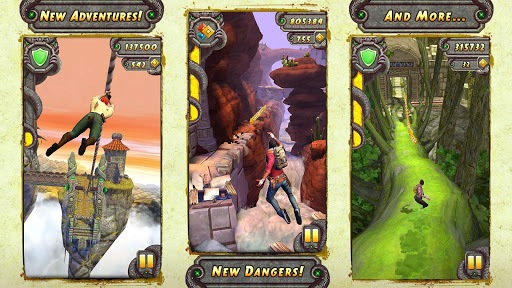
Game images by RAWG
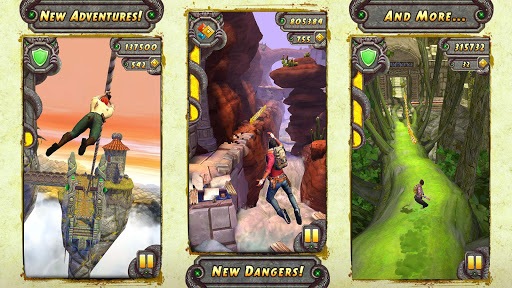
Temple Run 2
Imangi Studios
About This Game
Super ReviewTemple Run 2 is a free-to-play endless runner that offers quick, engaging sessions of swiping and dodging to escape a monster. While its simple controls and non-graphic visuals are appealing, parents should be aware of its aggressive monetization tactics through frequent ads and in-app purchases. The game's addictive design, driven by short, repeatable runs and progression loops, earns it a 'Risky' health score. It requires clear boundaries around spending and screen time.
Super Review
Parent verdict
Temple Run 2 is a game best suited for older players with strong impulse control, or younger players under strict parental supervision. Its 'Risky' health score reflects the prevalent free-to-play model, which heavily relies on ads and in-app purchases to unlock characters and progress faster. While the core gameplay is straightforward and fun, the constant nudges to spend money or watch ads create a significant trade-off, demanding active management of expectations and device settings to ensure a healthy play experience.
What players actually do
- Players swipe up, down, left, and right to jump, slide, and turn, exercising quick reflexes and spatial awareness to navigate obstacles.
- Players collect coins and gems during runs, practicing resource gathering and strategic decision-making to unlock new characters and power-ups.
- Players complete short-term goals or 'missions' to earn rewards, engaging in repeatable objective-driven play for steady progression.
Where it shines
- The game boasts highly accessible swipe controls, allowing players to quickly grasp the mechanics and jump straight into fast-paced action without a steep learning curve.
- Its colorful, cartoon-like graphics and non-graphic violence make for a visually appealing experience that is generally family-friendly in content.
Parent watch-outs
- The game's free-to-play model includes frequent and sometimes intrusive advertisements, which can interrupt gameplay and expose players to other content.
- Temple Run 2 features numerous in-app purchase options for gems, coins, and characters, which are heavily promoted and can tempt players to spend real money for faster progression.
Family rules worth setting
- Enable parental controls on your device to restrict all in-app purchases and prevent unauthorized spending.
- Set clear time limits for play sessions, as the game's quick, repeatable runs can easily lead to extended playtime without a natural stopping point.
Talk about this
- Discuss how games use ads and in-app purchases to make money, and why it's important to be mindful of what you're clicking or buying.
- Talk about the concept of 'endless' games and how they are designed to keep players engaged, and the importance of balancing screen time with other activities.
Play style
Sessions in Temple Run 2 are designed to be short and intense, ideal for quick bursts of play. The difficulty is dynamic, escalating rapidly as players progress further, demanding increasingly fast reflexes. It's primarily a solo experience, focused on personal high scores and progression, though leaderboards offer a competitive element. Younger players may need help understanding the in-game economy or setting up parental controls.
Score Breakdown
Positive Aspects
Risk Factors
Why this rating
Educational Value
0/5Temple Run 2 offers virtually no explicit educational content or learning opportunities. Its primary focus is on quick reflexes and basic pattern recognition, without integrating any academic or skill-building elements.
Addictive Monetization
4/5The game's monetization model is highly aggressive, frequently pushing in-app purchases for items like gems and coins, and interrupting gameplay with ads. This constant encouragement to spend or view advertisements contributes significantly to its high score in addictive monetization.
Time Pressure / FOMO
3/5Temple Run 2's core loop of short, repeatable runs and continuous progression encourages players to keep playing, often without a natural stopping point. While not explicitly FOMO, the addictive cycle and mission structure can create a subtle pressure to continue playing for rewards, earning a score of 3.
Negatives
- •Free-to-play model with frequent ads and many in-app purchase options
- •Can be habit-forming due to short, repeatable runs and reward loops
- •Minimal educational value.
Positives
- •Simple, easy-to-learn swipe controls and short replayable sessions
- •Colorful, non-graphic visuals and family-friendly cartoon violence
- •Widely available and playable offline.
Other Recommended Games
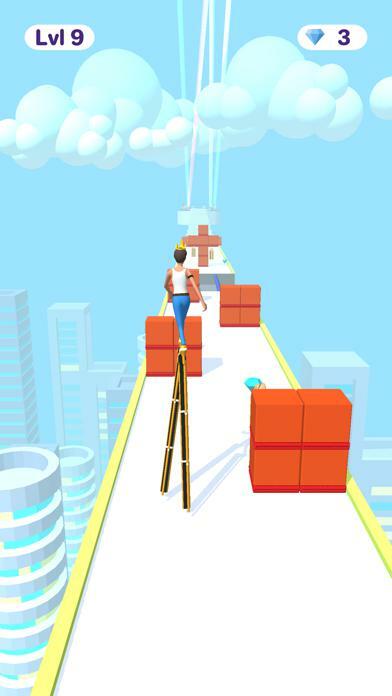
High Heels!
Rollic Games
Same platform, Same business model, Similar gameplay style
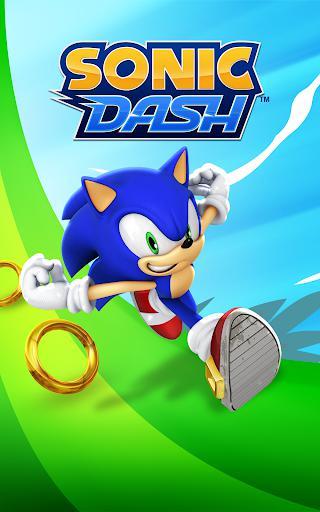
Sonic Dash
Hardlight (SEGA). citeturn0search12
Same platform, Similar gameplay style
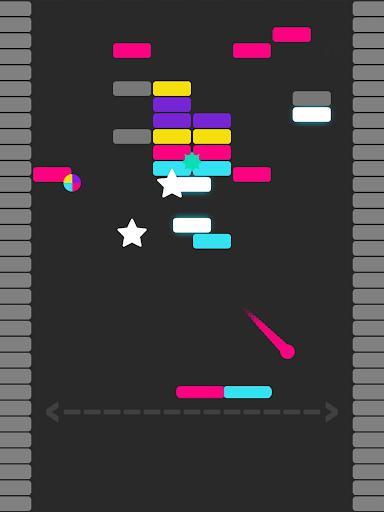
Color Switch
Color Switch Phoenix, LLC (originally created by David Reichelt; later published by Fortafy Games)
Same platform, Similar gameplay style
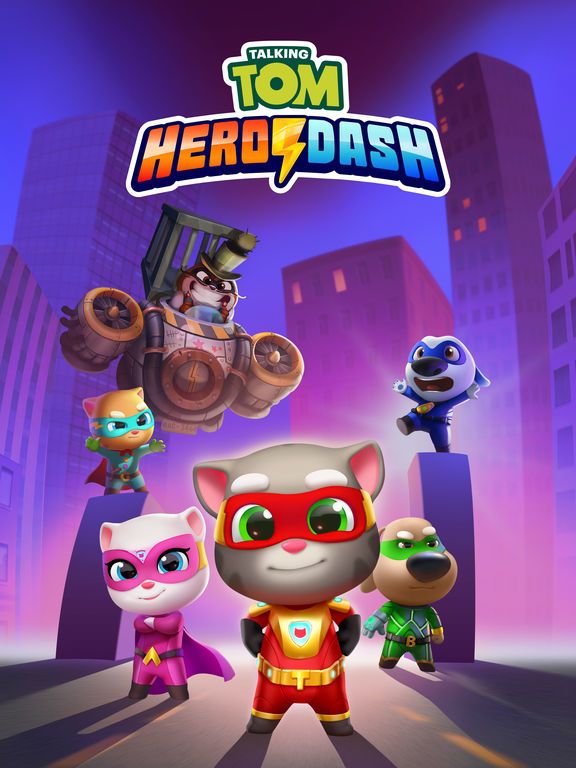
Talking Tom Hero Dash
Outfit7 Limited
Same platform, Similar gameplay style
Official Ratings
In-Game Purchases; Advertising; Leaderboards
Age Fit
Help us rate the next game
GameCompass is free for every family and takes nothing from game studios. A coffee is what puts the next game on the list.
Buy us a coffeeWhat support pays for