

Game images by RAWG

theHunter: Call of the Wild
Expansive Worlds
About This Game
Super ReviewtheHunter: Call of the Wild offers a realistic, slow-paced simulation of hunting, emphasizing patience and observation in vast open environments. While it teaches practical outdoor skills, parents should consider the ethical implications of animal hunting and the potential for discomfort with its realistic depiction of violence and blood. DLC costs can also add up.
Super Review
Parent verdict
With a 'Decent' health score, theHunter: Call of the Wild is a qualified fit for families. It provides a niche experience for players interested in a methodical, realistic hunting simulation, contrasting sharply with faster-paced shooters. However, the game's core loop of tracking and killing animals, coupled with realistic depictions of violence and blood, requires careful consideration and discussion, particularly for younger players. It works best with clear family limits and parental co-play for context.
What players actually do
- Players track animals by observing footprints, droppings, and calls, exercising patience and environmental awareness.
- Players meticulously stalk prey, factoring in wind direction, sound, and cover to approach undetected, developing strategic thinking.
- Players aim and shoot animals using various weapons, considering ballistics and shot placement for a humane kill, which involves precision and consequence.
- Players harvest trophies, manage their inventory, and plan routes across expansive maps, fostering organizational skills and forward planning.
Where it shines
- The game's tranquil, methodical pace provides a unique counterpoint to typical action games, fostering patience and observational skills as players learn animal behavior and the environment.
- Its realistic simulation of tracking, ballistics, and ecosystem interactions offers a degree of practical education about nature and the challenges of wilderness survival.
Parent watch-outs
- The game's central activity revolves around tracking, injuring, and killing wild animals, which can be ethically challenging or upsetting for some players.
- Realistic depictions of blood and visible wounds on animals after a successful shot contribute to a higher content intensity rating.
- The business model relies heavily on additional purchases for new maps, weapons, and gear, which can accumulate significantly beyond the initial premium game price.
Family rules worth setting
- Set clear expectations around in-game purchases, deciding whether DLC is allowed and establishing a budget for any approved expansions.
- Agree on appropriate play times, especially given the game's slower pace, ensuring it doesn't lead to overly long or isolated sessions.
Talk about this
- Discuss the ethics of hunting, conservation, and the difference between virtual actions and real-world responsibilities towards animals.
- Talk about the business model of games with extensive DLC, understanding how additional content is sold and how to make informed purchasing decisions.
Play style
theHunter: Call of the Wild is a slow-burn experience, demanding patience and careful observation. Sessions can range from short scouting trips to multi-hour hunts, with progress often measured in successful harvests rather than quick wins. Difficulty comes from mastering tracking mechanics and understanding animal AI. While playable solo, an optional multiplayer mode allows cooperative hunting without intense social interaction. Younger players may need help understanding the nuanced mechanics and managing the extensive inventory.
Score Breakdown
Positive Aspects
Risk Factors
Why this rating
Educational Value
2/5While the game promotes patience, observation, and an understanding of animal behavior and ecology, it is not designed as a formal educational tool. The 'educational value' score of 2 reflects these indirect, practical learning opportunities rather than direct academic instruction.
Addictive Monetization
2/5theHunter: Call of the Wild uses a premium purchase model for the base game, but heavily relies on numerous paid DLC packs for new reserves, weapons, and gear. This monetization model, while extensive, is not considered 'addictive' but does prompt a mild 'addictive monetization' score of 2 due to the continuous flow of purchasable content.
Content Intensity
3/5The game's core loop involves tracking and killing wild animals, which is depicted realistically with blood and visible wounds, contributing to its 'T for Teen' and 'PEGI 16' ratings. This focus on realistic hunting and its consequences justifies a moderate 'content intensity' score of 3, requiring parental discretion.
Negatives
- •Focuses on killing animals
- •some kids may find the realism or ethics uncomfortable
- •DLC maps and gear add up.
Positives
- •Teaches patience, observation and respect for wind, sound and ballistics
- •tranquil pacing compared to most shooters.
Gameplay Videos
Other Recommended Games
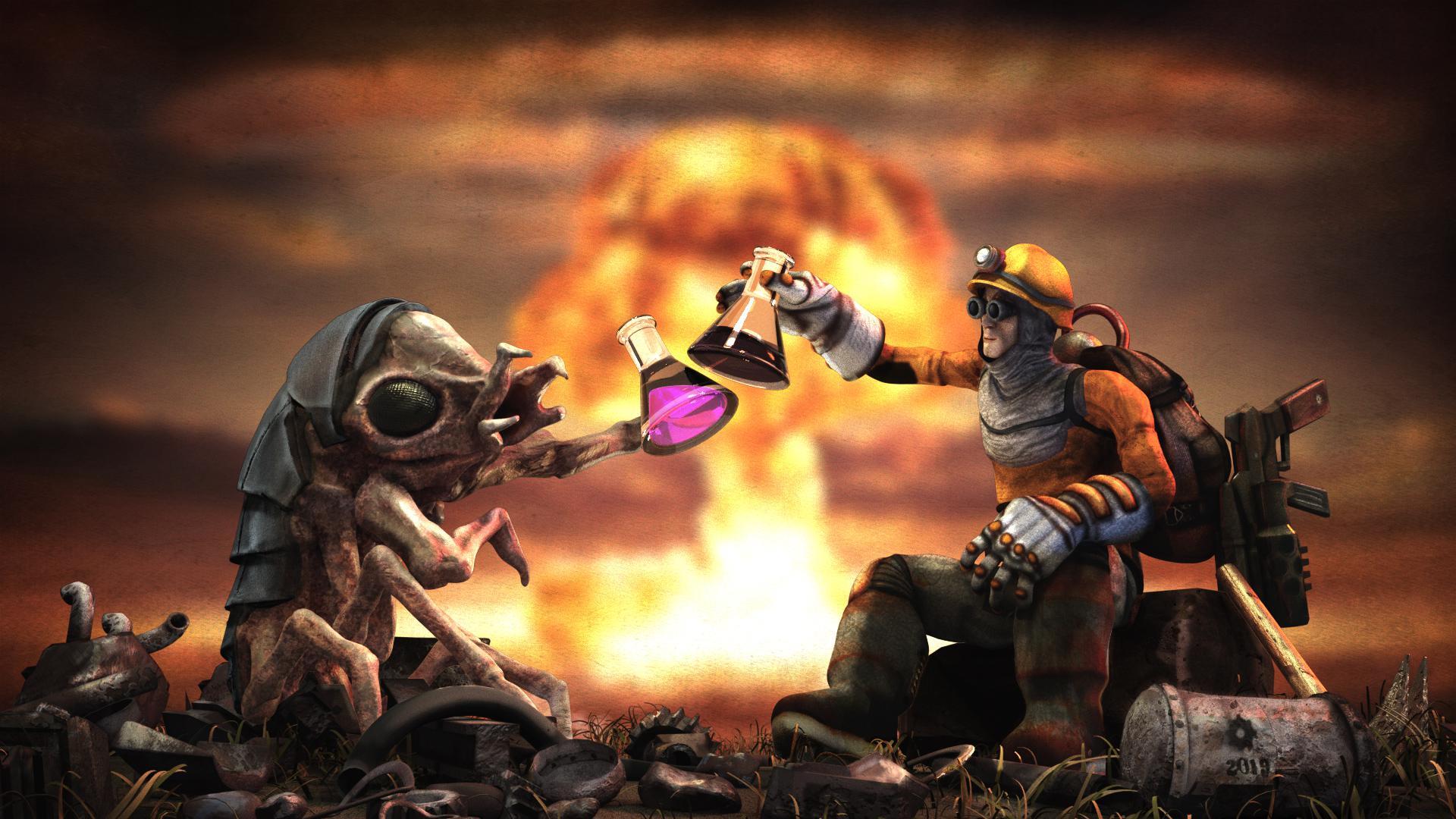
Factorio
Wube Software
Same platform, Similar gameplay style, Higher health score
Project Zomboid
The Indie Stone
Same platform, Similar gameplay style, Higher health score
LEGO Harry Potter Collection
TT Games; Double Eleven (remaster)
Same platform, Similar gameplay style, Higher health score
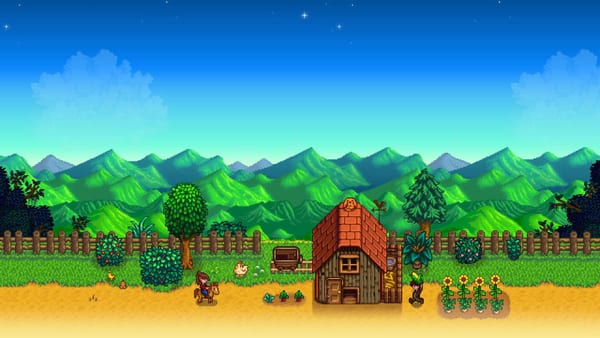
Stardew Valley
ConcernedApe
Same platform, Similar gameplay style, Higher health score
Official Ratings
Users Interact; In-Game Purchases
Age Fit
Help us rate the next game
GameCompass is free for every family and takes nothing from game studios. A coffee is what puts the next game on the list.
Buy us a coffeeWhat support pays for