
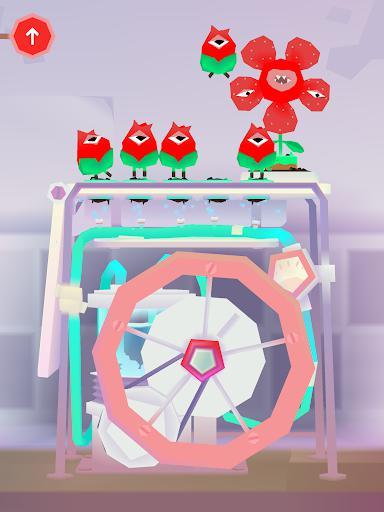
Game images by RAWG
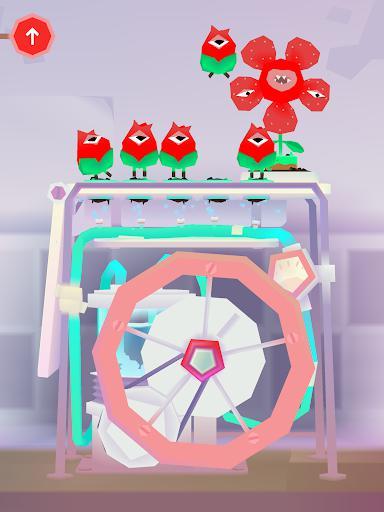
Toca Lab: Elements
Toca Boca AB
About This Game
Super ReviewToca Lab: Elements offers a delightful, open-ended virtual chemistry set for younger players. It sparks scientific curiosity through playful experimentation with cartoonish elements, encouraging discovery without real-world accuracy. Parents will appreciate the lack of monetization, but should be aware it's best experienced with discussions about actual science.
Super Review
Parent verdict
This "Good" rated app is an excellent choice for parents seeking to ignite a spark of scientific curiosity in children, particularly those in the elementary school age range. Its open-ended exploration and lack of in-app purchases make it a worry-free experience for device use. The main tradeoff is its simplified, non-scientific approach to chemistry, which means it serves more as an introduction to the *idea* of experimentation rather than factual learning, necessitating parental guidance to connect play to real science.
What players actually do
- Players experiment with various lab tools like Bunsen burners, centrifuges, and cooling agents to observe whimsical transformations of cartoon elements, exercising curiosity and cause-and-effect thinking.
- Players discover new elements by manipulating existing ones, then collect and categorize them into a playful periodic table, encouraging exploration and observational skills.
- Players interact with each element's unique character and reactions, prompting imaginative play and a basic understanding of different material properties.
Where it shines
- The game excels at fostering open-ended scientific curiosity and experimentation, allowing players to freely explore without strict objectives or failure states.
- Its intuitive, icon-driven interface and playful presentation make it highly accessible for young children, minimizing frustration and encouraging independent discovery.
Parent watch-outs
- The game's chemistry is highly stylized and not scientifically accurate; elements and their reactions are simplified for play, which requires parental clarification for older children.
- Availability can be tricky; the original standalone purchase is less common now, with the app often bundled into the Toca Boca Jr subscription, which might alter access or cost.
Family rules worth setting
- Establish a 'science discussion' rule: After playing, talk about how the game's playful reactions differ from real-world chemistry and what actual elements are like.
- Set clear time limits for play sessions, emphasizing that the game is for imaginative exploration rather than rigorous academic study, especially for younger children.
Talk about this
- How does experimenting in Toca Lab make you curious about how things work in the real world? What do you think a real chemist does?
- If you could create your own element, what would it be like and what tools would you use to change it?
Play style
This is a relaxed, solo-player experience with no time pressure, challenging puzzles, or social features. Players dictate their own pace of discovery and experimentation. The difficulty is low, making it suitable for young children to play independently, though younger players (3-5) may benefit from an adult's presence to guide their exploration and help them understand what they are seeing.
Score Breakdown
Positive Aspects
Risk Factors
Why this rating
Educational Value
4/5The game earns a strong Educational Value score of 4 because it effectively promotes scientific thinking, curiosity, and observational skills through its open-ended experimentation. While not scientifically accurate, it introduces the concept of elements and their properties in an engaging way, encouraging players to explore cause and effect.
Creativity
4/5Toca Lab: Elements receives a Creativity score of 4 due to its focus on open-ended play and player-driven discovery. Players are given tools and encouraged to experiment freely with various elements, allowing them to imagine and create different reactions and outcomes without predefined goals, fostering imaginative thinking.
Addictive Monetization
1/5The game achieves an Addictive Monetization score of 1 because the original standalone app had no in-app purchases or ads, offering a pure play experience. Although it's now often found within a subscription service, the core game design avoids any manipulative or addictive monetization tactics, ensuring a focus on play over spending.
Negatives
- •Not scientifically accurate in how elements react (designed for play, not real chemistry)
- •many legacy standalone versions were removed or moved into a subscription bundle (may be unavailable to new buyers)
- •single-player with no social features.
Positives
- •Open-ended, curiosity-driven play
- •Teaches basic element names/properties and encourages scientific thinking
- •Simple UI suitable for young children
- •Originally no ads or in-app purchases.
Other Recommended Games
Coloring Games: Color & Paint
RV AppStudios LLC
Same platform, Similar gameplay style
Pettson's Inventions 3
Filimundus AB
Same platform, Similar gameplay style
Endless Alphabet
Originator Inc.
Same platform, Similar gameplay style
Pettson's Inventions 4
Filimundus AB
Same platform, Similar gameplay style
Official Ratings
No in-app purchases in the original standalone app; available via subscription when included in Toca Boca Jr
Age Fit
Help us rate the next game
GameCompass is free for every family and takes nothing from game studios. A coffee is what puts the next game on the list.
Buy us a coffeeWhat support pays for