
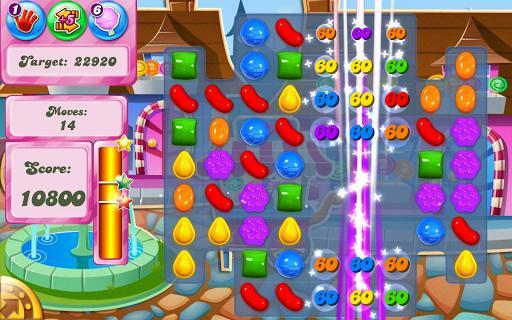
Game images by RAWG
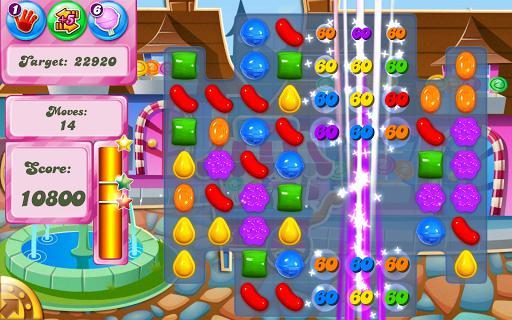
Candy Crush Saga
King (King.com Ltd.)
About This Game
Super ReviewCandy Crush Saga is a classic match-3 puzzle game where players swap colorful candies to clear boards and advance through thousands of levels. While easy to pick up for quick breaks, the experience is heavily influenced by aggressive in-game purchases and a 'lives' system that frequently gates progress. This makes it a risky choice for unsupervised younger players due to the constant pressure to spend real money.
Super Review
Parent verdict
With a 'Risky' health score of 27, Candy Crush Saga is a game primarily driven by monetization tactics rather than a fulfilling play experience for children. It's a casual puzzle game that can offer short bursts of fun, but its core design frequently pushes players towards in-app purchases and watching ads to bypass wait times or difficult levels. Parents considering this game should be prepared for robust parental controls and ongoing conversations about spending habits, as the game is designed to encourage them.
What players actually do
- Players repeatedly tap and drag candies to swap their positions, aiming to create rows or columns of three or more matching candies.
- Players complete level-specific objectives, such as clearing jelly, collecting ingredients, or scoring a certain number of points, before running out of moves.
- Players will earn and strategically use various boosters, which are special candies with unique clearing abilities, to overcome challenging puzzles.
Where it shines
- The core match-3 gameplay is simple to understand and engaging, offering a satisfying feedback loop when combos are made and levels are cleared.
- Individual play sessions are short, making it suitable for quick breaks and allowing children to dip in and out without lengthy commitments.
Parent watch-outs
- The game employs an aggressive monetization strategy, featuring frequent prompts for in-app purchases and a 'lives' system that can halt play, creating pressure to spend money or watch ads.
- Younger children may struggle with the increasing difficulty spikes and the constant gating of progress, leading to frustration or a desire to bypass obstacles with real money.
Family rules worth setting
- Implement strict parental controls on all devices to prevent unauthorized in-app purchases and require a PIN for any transactions.
- Set clear time limits for play sessions, as the game's design can encourage prolonged engagement to earn free lives or overcome challenges.
Talk about this
- Discuss why games use 'lives' systems and in-app purchases, and how they can encourage players to spend money. Emphasize the value of real money.
- Talk about the feeling of frustration when progress is blocked and explore strategies for overcoming challenges without spending money, like taking a break or trying different tactics.
Play style
Candy Crush Saga offers short, individual puzzle-solving sessions. Players work through thousands of levels, facing gradually increasing difficulty. Progress can be abruptly halted by running out of 'lives' or hitting particularly tough levels, which introduces friction and often prompts spending. There is no direct co-op, but social leaderboards are present. Children may need help understanding the monetization tactics and managing their frustration when faced with paywalls or difficult levels.
Score Breakdown
Positive Aspects
Risk Factors
Why this rating
Educational Value
1/5As a pure puzzle game, Candy Crush Saga offers minimal educational value beyond basic pattern recognition and problem-solving, which are common to many games. Its primary focus is entertainment rather than learning, resulting in a low score of 1.
Addictive Monetization
5/5The game's design heavily relies on addictive monetization tactics, including frequent in-app purchase prompts, a 'lives' system that gates progress, and difficulty spikes encouraging booster purchases. These elements are designed to pressure players into spending money, justifying a high-risk score of 5 for addictive monetization.
Negatives
- •Aggressive microtransaction prompts and paywalls
- •Frequent ads and gated lives can encourage pressure to spend
- •App-store age labels (4+/3+) can mask purchase/age requirements in terms of service
Positives
- •Easy-to-learn match-3 mechanics
- •Short play sessions suitable for quick breaks
- •Widely available across devices
Other Recommended Games
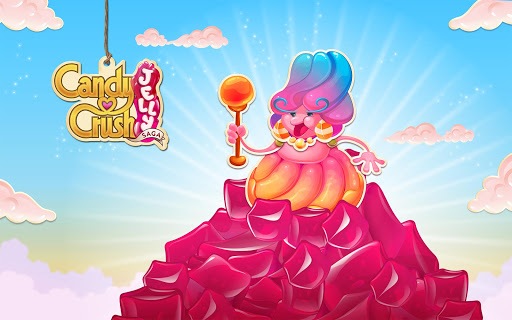
Candy Crush Jelly Saga
King (King.com Limited)
Same platform, Similar gameplay style
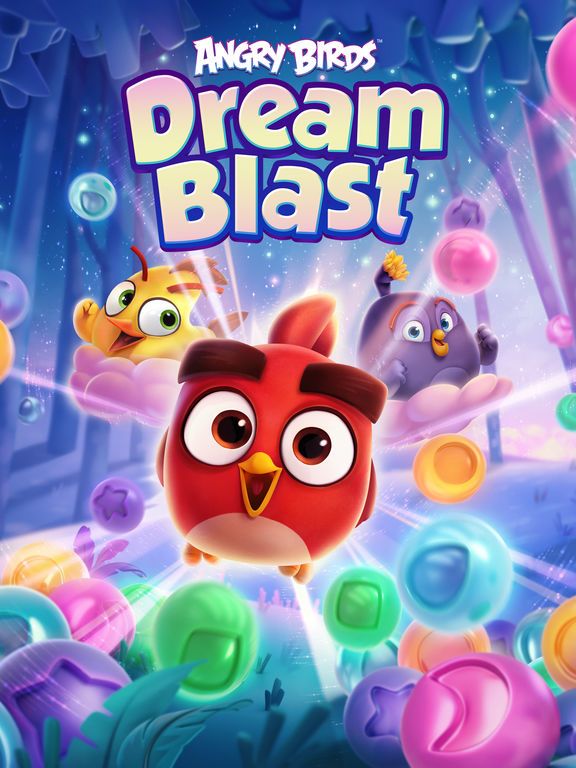
Angry Birds Dream Blast
Rovio Entertainment Oyj
Same platform, Similar gameplay style
Sonic Dash
Hardlight (SEGA). citeturn0search12
Same platform, Similar gameplay style
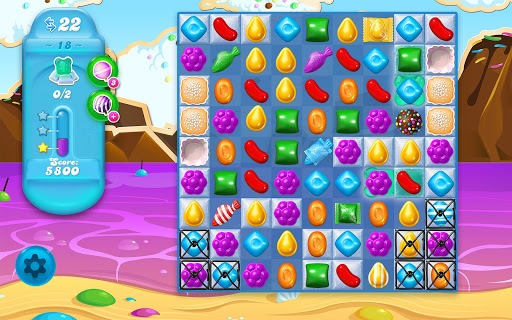
Candy Crush Soda Saga
King
Same platform, Similar gameplay style
Official Ratings
In-Game Purchases; Ads; Online leaderboards
Age Fit
Help us rate the next game
GameCompass is free for every family and takes nothing from game studios. A coffee is what puts the next game on the list.
Buy us a coffeeWhat support pays for