
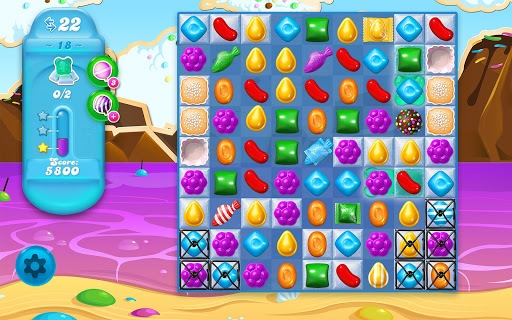
Game images by RAWG
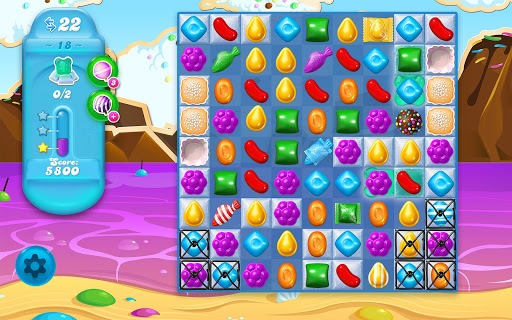
Candy Crush Soda Saga
King
About This Game
Super ReviewCandy Crush Soda Saga offers straightforward match-3 puzzles with a charming look, ideal for quick sessions. However, its freemium model heavily promotes in-app purchases for boosters and extra moves, and game design encourages continuous play. Parents should establish clear boundaries around spending and screen time before allowing play.
Super Review
Parent verdict
With a health score of 33, Candy Crush Soda Saga is a mixed recommendation, best considered for families who can set firm limits. Its appeal lies in accessible, repetitive puzzle-solving, which can be a fun, casual diversion. The primary trade-off for parents is balancing that simple entertainment with the game's persistent pressure to spend money and its design to become a significant time commitment. It works best when strict parental controls and family rules are in place.
What players actually do
- Players swap colorful candies to match three or more of the same type, clearing them from the board, which exercises pattern recognition and basic problem-solving.
- Players complete specific level goals, like filling the screen with soda or freeing gummy bears, requiring them to strategize moves within a limited number of turns.
- Players earn stars and progress through a map of thousands of levels, providing a clear sense of progression and a continuous stream of new challenges.
Where it shines
- The core match-3 gameplay is intuitive and widely recognizable, making it easy for players of all ages to pick up and understand quickly.
- Levels are typically short and self-contained, perfect for quick, casual play sessions without requiring a long-term time commitment per puzzle.
Parent watch-outs
- The game frequently offers in-app purchases for boosters, extra moves, and lives, which can create pressure for players to spend money when stuck on challenging levels.
- Designed to encourage repeated engagement, the game employs mechanics like limited lives, daily rewards, and timed events that can lead to excessive screen time and a 'fear of missing out'.
- While social features primarily involve leaderboards and friend progress, they can subtly contribute to a desire for competitive achievement or prolonged play.
Family rules worth setting
- Enable parental controls on the device to block all in-app purchases, preventing accidental or impulsive spending.
- Establish clear daily time limits for play sessions to manage engagement and prevent the game from becoming an excessive time sink.
Talk about this
- Discuss the concept of 'free-to-play' games and how they make money through in-app purchases, emphasizing that real money is involved.
- Talk about the psychological design of games, such as daily rewards and timed events, and how they encourage continuous play and manage notifications.
Play style
This is a solo puzzle game experienced in short, focused bursts, with levels typically lasting a few minutes. Difficulty gradually increases, and players might face friction when presented with challenging levels that strongly encourage booster purchases. While primarily a single-player experience, social interaction comes through comparing progress on leaderboards with friends. Younger players may need help understanding complex level objectives or resisting the urge to buy items.
Score Breakdown
Positive Aspects
Risk Factors
Why this rating
Educational Value
1/5The game offers minimal educational value, primarily engaging players with pattern recognition and basic problem-solving in a recreational context. While players must think a few moves ahead, these skills are not explicitly developed or transferable in an academic sense.
Addictive Monetization
4/5Candy Crush Soda Saga features prominent and aggressive microtransactions, frequently pushing in-app purchases for lives, boosters, and extra moves, especially when players encounter difficulty. The game's design, including limited lives and timed events, creates deliberate friction intended to encourage spending and repeated engagement.
Negatives
- •Prominent microtransactions and booster/paywalls can pressure spending
- •Designed to encourage repeated play (time sink)
- •Some events and competitive modes can feel time‑limited or push purchases
Positives
- •Simple, widely‑recognizable match‑3 gameplay
- •Large number of short levels suitable for quick sessions
- •Social features (friends, leaderboards) for shared play
Other Recommended Games
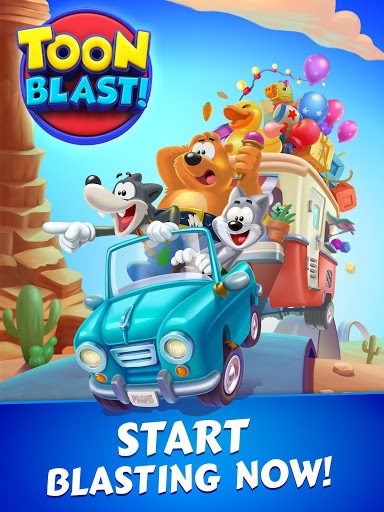
Toon Blast
Peak Games (owned by Zynga)
Same platform, Similar gameplay style
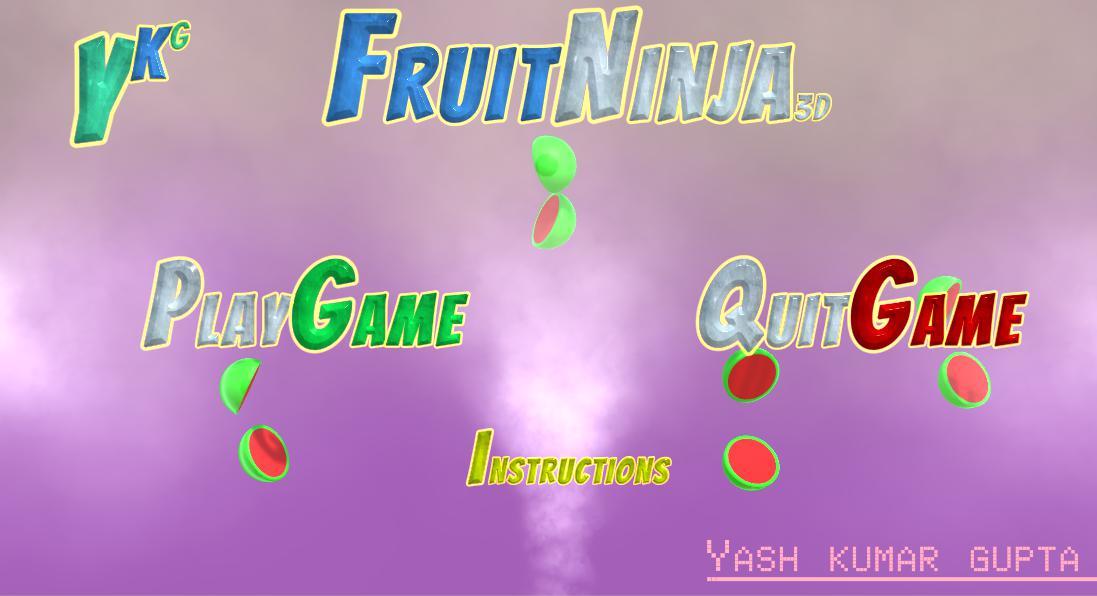
Fruit Ninja
Halfbrick Studios
Same platform, Similar gameplay style
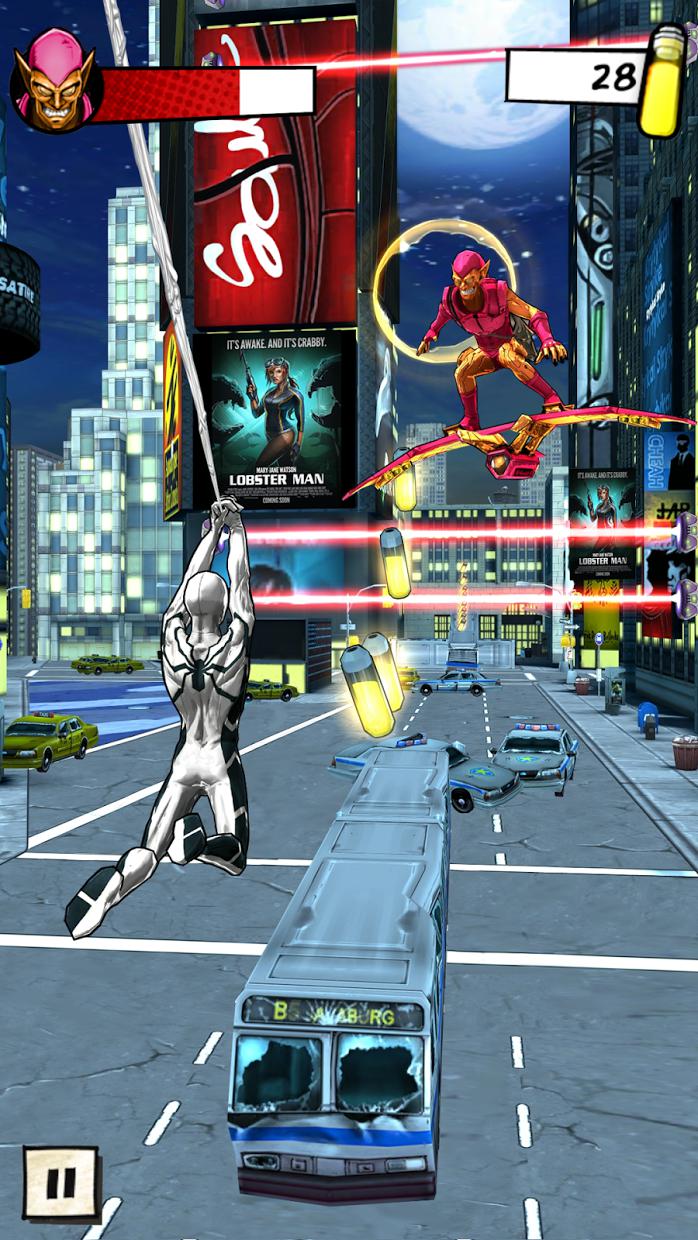
Spider-Man Unlimited
Gameloft
Same platform, Similar gameplay style

CSR Racing 2
NaturalMotion (published by Zynga)
Same platform, Similar gameplay style
Official Ratings
In‑Game Purchases; Social features (friends/leaderboards); Personalization of ads/analytics (varies by platform)
Age Fit
Help us rate the next game
GameCompass is free for every family and takes nothing from game studios. A coffee is what puts the next game on the list.
Buy us a coffeeWhat support pays for