
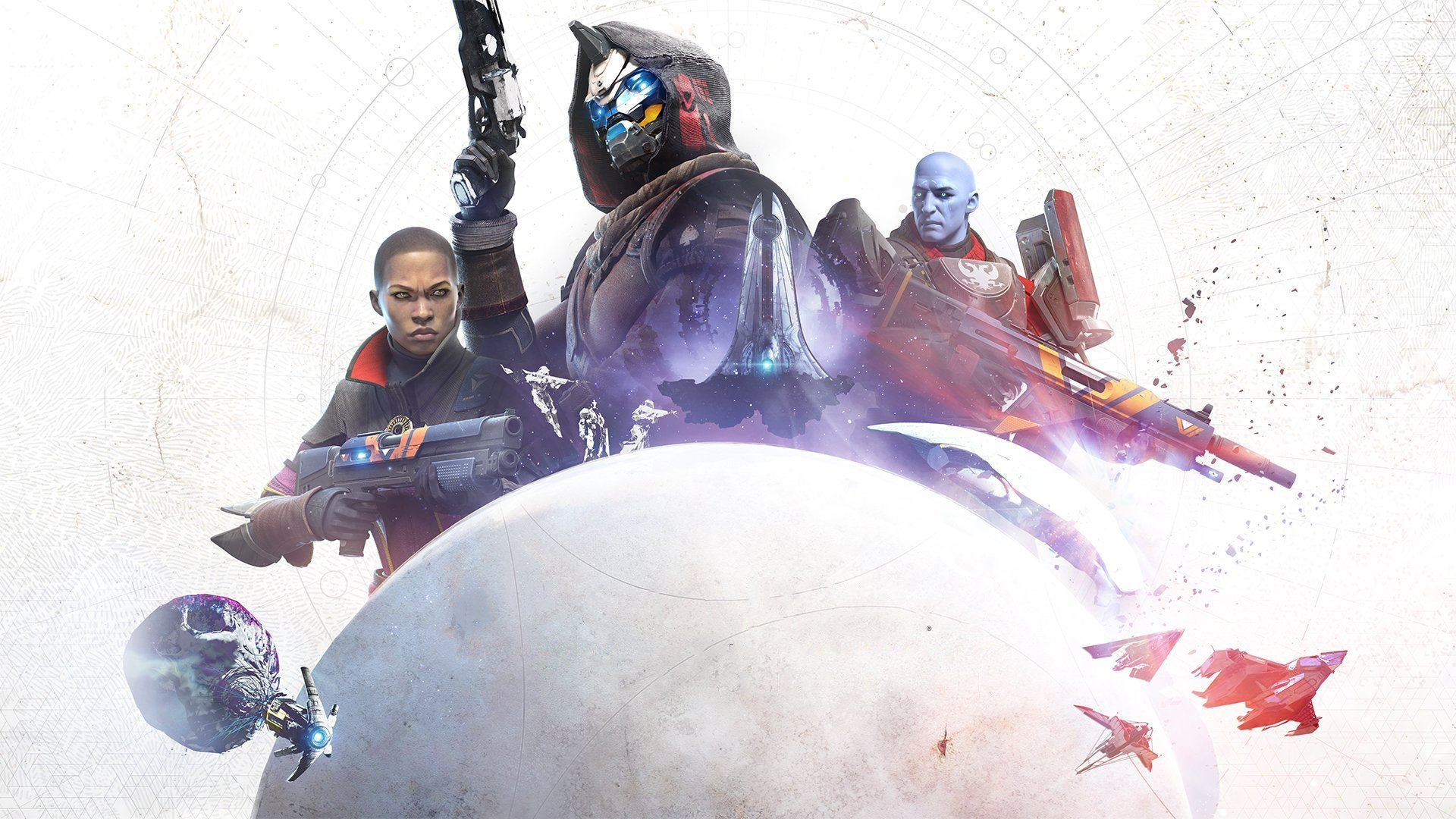
Game images by RAWG
Destiny 2
Bungie
About This Game
Super ReviewDestiny 2 is a complex online sci-fi shooter offering engaging gunplay and deep co-op challenges, but its free-to-play model hides significant risks. Parents should be aware of the intense grind, aggressive monetization, and high potential for social pressure to keep up with content. This game requires strict limits to manage time and spending.
Super Review
Parent verdict
Destiny 2 earns a 'Risky' health score due to its demanding nature, aggressive monetization, and online social environment. While it offers deep cooperative experiences and satisfying combat for mature players, the constant content updates and seasonal 'fear of missing out' (FOMO) mechanics are designed for long-term engagement that can easily become excessive. The free-to-play entry point is deceptive, as staying current with the evolving story and gear requires purchasing expansions and season passes, alongside optional cosmetic spending. This game is best considered for older teens (16+) who demonstrate strong self-regulation regarding time and money, and where parents can actively monitor online interactions.
What players actually do
- Players team up with others to complete cooperative missions, strikes, dungeons, and complex raids, requiring coordination and strategic planning in combat.
- Players engage in fast-paced first-person combat using various firearms and unique character abilities, often involving precise aiming and tactical positioning.
- Players collect loot, manage inventories, and customize character builds by combining different weapons, armor, and subclass abilities to optimize performance for specific activities.
Where it shines
- The cooperative gameplay, particularly in challenging raids and dungeons, fosters strong teamwork and communication skills among players as they overcome complex encounters.
- The core gunplay is highly satisfying, offering a variety of weapons and unique powers that make combat engaging and rewarding for fans of the shooter genre.
Parent watch-outs
- The game features a heavy grind for desirable gear and progression, which can lead to excessive screen time and a feeling of obligation to play frequently.
- Destiny 2 has an aggressive monetization model, including paid expansions, season passes, and an in-game store for cosmetic items, which can pressure players into significant spending.
- The online environment exposes players to uncensored voice and text chat, carrying risks of toxicity, bullying, or inappropriate language from other users.
Family rules worth setting
- Set clear daily or weekly time limits for play, especially around new content releases, to prevent excessive grind and 'fear of missing out' (FOMO).
- Disable in-game voice and text chat, or restrict communication to known friends, to mitigate exposure to social risks and inappropriate content.
- Discuss and pre-approve any in-game purchases (expansions, season passes, cosmetics) to control spending and educate on the value of virtual items.
Talk about this
- How does the game encourage you to keep playing, and how do you decide when you've played enough for one session?
- What are the different ways the game tries to get you to spend money, and how do you evaluate if an in-game purchase is truly worth it?
Play style
Destiny 2 offers a varied rhythm, from quick solo or matchmaking activities to multi-hour cooperative challenges like raids that demand sustained focus and teamwork. Difficulty ranges widely; casual players can enjoy much of the content, but endgame activities require significant skill, coordination, and often a dedicated team. Players will constantly be managing inventory and character builds. While some content is solo-friendly, the game truly shines and often requires cooperative play, which means engaging with other players and potentially needing help or guidance through tougher sections.
Score Breakdown
Positive Aspects
Risk Factors
Why this rating
Educational Value
1/5Destiny 2 offers minimal direct educational value, as its core gameplay focuses on combat and character progression rather than academic or real-world learning. While it can foster problem-solving in complex encounters, this is not its primary design goal.
Addictive Monetization
4/5The game exhibits high-risk monetization practices, including mandatory paid expansions, season passes with exclusive content, and a robust cosmetic store that encourages continuous spending. The free-to-play entry model effectively funnels players into a cycle of ongoing purchases to keep pace with new content and desired items.
Time Pressure / FOMO
4/5Destiny 2's seasonal content model, battle passes, and deep progression loops create significant time pressure and 'fear of missing out' (FOMO). Players are encouraged to log in frequently to complete challenges and acquire limited-time rewards, driving a heavy grind that can feel obligatory rather than purely enjoyable.
Content Intensity
4/5The game features frequent, intense sci-fi violence with weapon-based combat against alien enemies, consistent with its T (Teen) and PEGI 16 ratings. While not overtly gory, the visual effects and sustained combat scenarios contribute to a high level of content intensity suitable for older audiences.
Pro-Social
3/5Destiny 2 strongly encourages pro-social behavior through its cooperative raids, dungeons, and other team-based activities that demand communication and coordination. Players must work together to achieve common goals, fostering teamwork and strategic thinking among group members.
Negatives
- •Heavy grind, seasonal FOMO and monetization
- •online play can expose players to toxicity and pressure to keep up.
Positives
- •Strong co-op teamwork in raids and dungeons
- •satisfying gunplay and build crafting can be deeply engaging for shooter fans.
Gameplay Videos
Other Recommended Games

Tom Clancy's The Division 2
Massive Entertainment
Same platform, Similar gameplay style
Fortnite
Epic Games
Same platform, Similar gameplay style
AFK Journey
Lilith Games (published globally by Farlight Games)
Same platform, Similar gameplay style

Team Fortress 2
Valve
Same platform, Similar gameplay style
Official Ratings
Users Interact; In-Game Purchases (cosmetics, expansions, season passes)
Age Fit
Help us rate the next game
GameCompass is free for every family and takes nothing from game studios. A coffee is what puts the next game on the list.
Buy us a coffeeWhat support pays for