
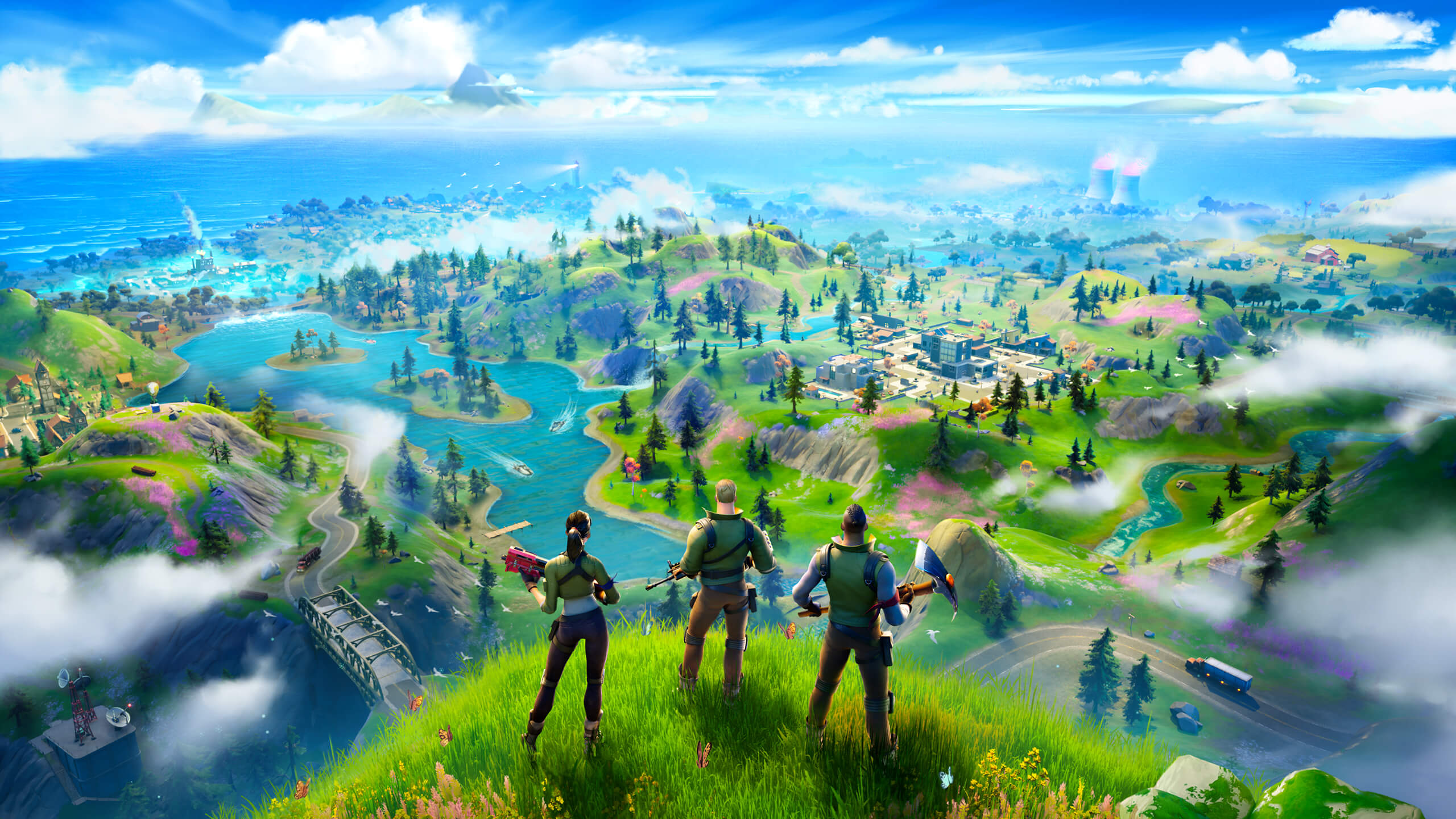
Game images by RAWG

Fortnite
Epic Games
About This Game
Super ReviewFortnite offers thrilling competitive play and social fun, especially when teaming up with friends. However, its cartoon violence, aggressive monetization for cosmetic items, and the risks of uncensored online communication with strangers mean parents need to be actively involved in setting boundaries and monitoring play, making it a qualified choice for older children.
Super Review
Parent verdict
Fortnite is a game where many kids spend a lot of time, and it fosters teamwork and fast-paced strategy in its core battle royale mode. However, its low score of 31 reflects significant parental concerns: the strong pressure to buy cosmetic items, the prevalence of online chat with strangers, and the competitive nature that can lead to frustration. It's a game that works best for pre-teens and teens with clear family rules, active parental monitoring, and ongoing conversations about spending and online safety.
What players actually do
- Players drop onto an island, scavenge for weapons and resources, and compete against 99 other players to be the last one standing, exercising quick reflexes and strategic thinking.
- Players build defensive structures and ramps on the fly to gain an advantage in combat, which requires spatial reasoning and fast decision-making under pressure.
- Players team up with friends in 'squads' mode, coordinating tactics and sharing resources, fostering cooperation and communication skills.
Where it shines
- The game provides engaging, competitive gameplay that encourages teamwork and strategy when playing with friends, fostering social connection.
- Frequent updates, new seasons, and special in-game events keep the experience fresh and offer new content to explore, maintaining player interest over time.
Parent watch-outs
- The game features strong monetization through cosmetic items (skins, emotes) and a Battle Pass, creating pressure to make repeated purchases to keep up with trends.
- Players can engage in voice and text chat with strangers, which carries a risk of exposure to inappropriate language, bullying, or predatory behavior.
- The fast-paced, last-one-standing nature can be intense and frustrating, potentially leading to emotional outbursts, especially during losses.
Family rules worth setting
- Establish strict limits on in-game spending, or disable purchases entirely, to prevent impulse buys and manage expectations around cosmetic items.
- Set clear time limits for play sessions and daily screen time, as the game's progression and social loops can encourage extended play.
- Require kids to restrict online communication to known friends or disable voice/text chat functionality in the game settings to mitigate social risks.
Talk about this
- Discuss the difference between 'needs' and 'wants' when it comes to in-game purchases and the marketing tactics used to encourage spending.
- Talk about good digital citizenship, the importance of respecting others online, and how to respond if they encounter inappropriate content or behavior from strangers.
- Explore how winning and losing can feel, strategies for managing frustration, and the importance of taking breaks from competitive play.
Play style
Fortnite features fast-paced, competitive Battle Royale matches lasting 15-20 minutes, alongside a creative sandbox mode for more relaxed play. The core game is difficult, requiring quick reflexes, strategic thinking, and teamwork, especially in squad modes. Players often rely on communicating with friends to coordinate, and younger children may need help navigating the competitive environment and managing losses.
Score Breakdown
Positive Aspects
Risk Factors
Why this rating
Educational Value
1/5Fortnite primarily focuses on entertainment and competition, offering very little in the way of explicit academic or educational content. While some strategic thinking is involved, it does not contribute meaningfully to formal learning objectives.
Addictive Monetization
4/5The game's free-to-play model relies heavily on cosmetic purchases and a seasonal 'Battle Pass,' creating significant pressure to spend money to acquire desirable items and progress. This can be highly enticing and potentially addictive for children, encouraging repeated transactions and a fear of missing out on limited-time content.
Pro-Social
3/5Fortnite strongly encourages teamwork and communication in its squad and duo modes, where players must cooperate to achieve victory. This fosters positive social interaction and strategy among friends, making it a benefit for cooperative play.
Social Risk
4/5The game includes unrestricted voice and text chat with other players, including strangers, which presents a high risk of exposure to inappropriate language, cyberbullying, or unwanted interactions. This open communication channel necessitates careful parental oversight or strict limitations on its use.
Content Intensity
3/5Fortnite features frequent, cartoon-style shooting violence where players eliminate each other to win the match. While the blood is animated and not realistic, the core gameplay loop revolves around combat and using various weapons against opponents, which is a moderate concern for younger children.
Negatives
- •Shooting violence (cartoon-style)
- •Strong monetization (skins, battle pass)
- •Voice/text chat with strangers (toxicity risk)
Positives
- •Fun competitive gameplay with friends
- •Regular updates and events keep it fresh
- •Encourages teamwork (squads mode)
Gameplay Videos
Other Recommended Games

Dark War Survival
Omnilojo Pte Ltd
Same platform, Same business model, Similar gameplay style
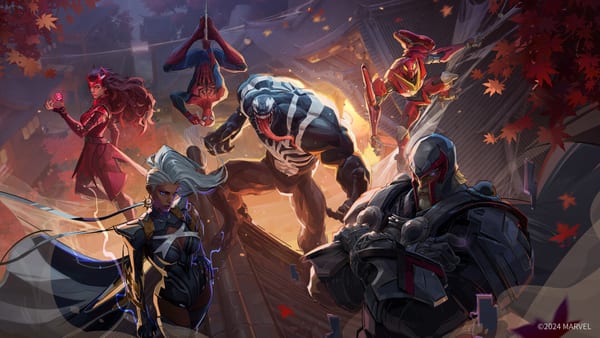
Marvel Rivals
NetEase Games / Marvel Games
Same platform, Same business model, Similar gameplay style
Last War:Survival Game
FUNFLY PTE. LTD.
Same platform, Same business model, Similar gameplay style
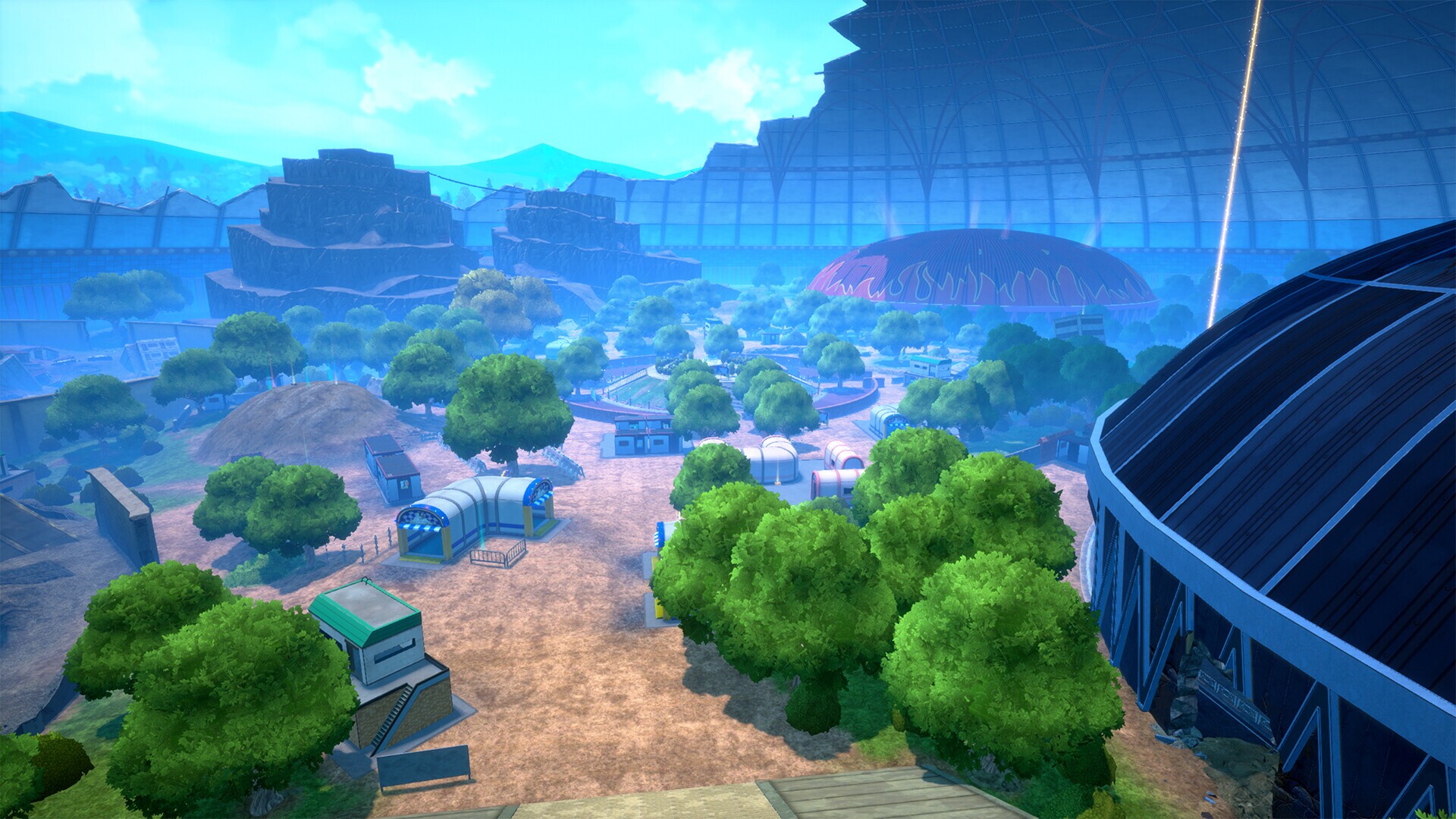
MY HERO ULTRA RUMBLE
Byking
Same platform, Same business model, Similar gameplay style
Official Ratings
Users Interact; In-Game Purchases (e.g. skins)
Age Fit
Help us rate the next game
GameCompass is free for every family and takes nothing from game studios. A coffee is what puts the next game on the list.
Buy us a coffeeWhat support pays for