
Game images by RAWG
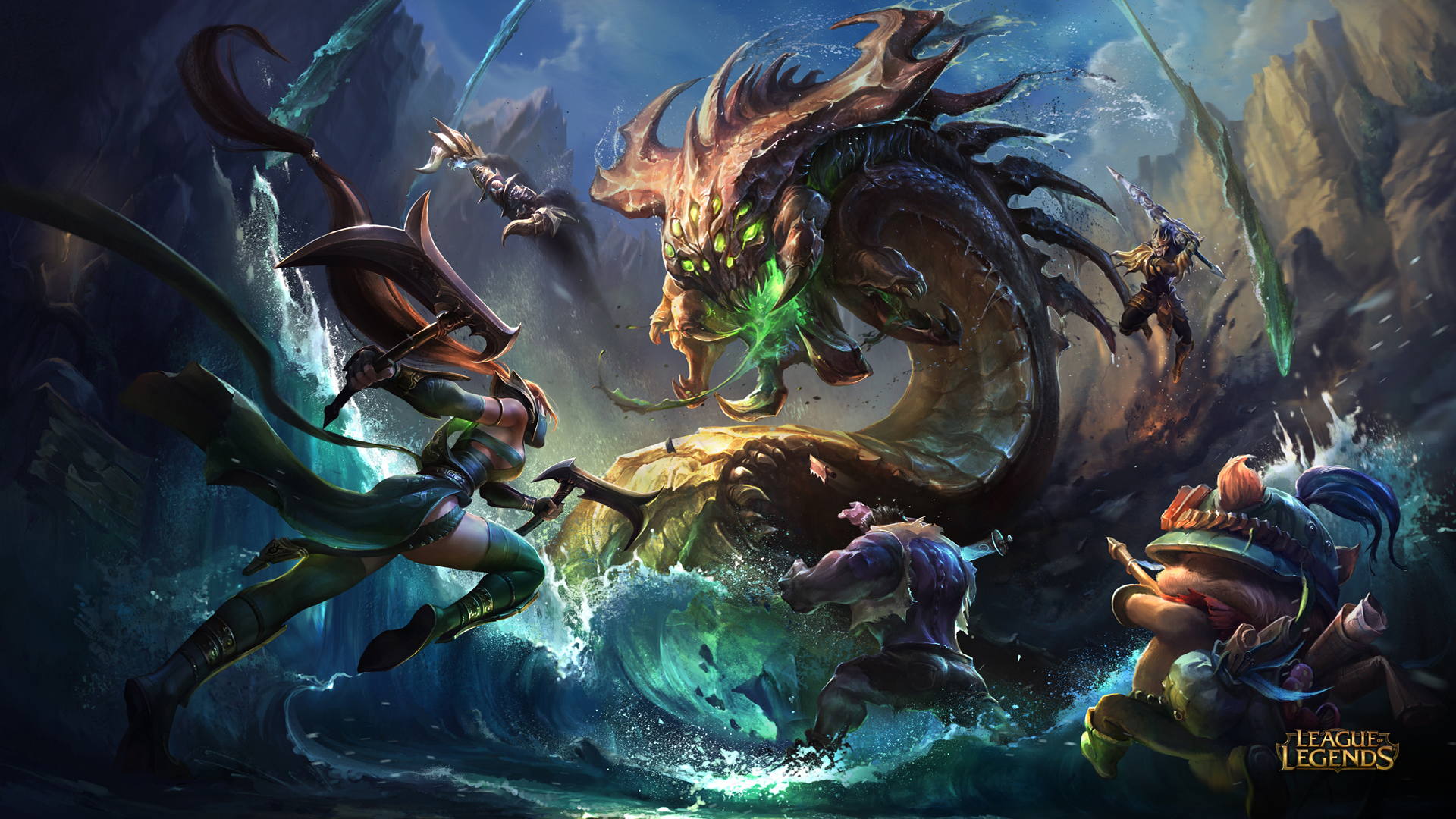
League of Legends
Riot Games
About This Game
Super ReviewLeague of Legends is a complex, fast-paced team strategy game offering deep competitive play. However, its notoriously toxic online community, steep learning curve, and significant time commitment mean it's a mixed bag for parents, best suited for older, mature teens who can navigate intense online social dynamics.
Super Review
Parent verdict
League of Legends lands a Mixed health score of 33, reflecting a game with high strategic depth and teamwork potential, but overshadowed by significant risks. This free-to-play title demands considerable time and offers a notoriously challenging social environment. It's a qualified fit, best considered only for older, highly resilient teens who demonstrate strong self-regulation, especially regarding online chat and managing playtime. Parents will need to set clear boundaries and monitor engagement closely.
What players actually do
- Players choose a unique champion and use its special abilities in 5v5 team battles to destroy the opposing team's base, exercising strategic planning and coordination.
- They learn intricate map layouts, character matchups, and item builds, which develops their problem-solving skills and game knowledge over many hours.
- Players communicate and adapt in real-time with teammates to overcome enemy strategies, fostering quick decision-making under pressure and collaborative play.
Where it shines
- The game truly shines in its strategic depth, requiring players to think critically and cooperate extensively with a team to achieve victory.
- Regular updates introduce new champions and gameplay adjustments, ensuring the experience remains fresh and engaging for long-term players.
Parent watch-outs
- The game is infamous for its highly toxic online community, where insults, harassment, and aggressive language are common in text chat, exposing children to negative social interactions.
- Matches typically last 20-40 minutes, but the competitive nature and desire to improve or avoid penalties can make it highly addictive and time-consuming, disrupting other activities.
- League of Legends has a very steep learning curve, which can lead to significant frustration for new players and pressure to perform well from teammates, increasing stress.
Family rules worth setting
- Set strict time limits per day and week, ensuring the game does not interfere with schoolwork, sleep, or other family activities.
- Insist on muting all text chat from unknown players and encourage reporting genuinely toxic behavior, or consider disabling chat entirely.
- Agree on a clear understanding that the game is for entertainment, and not to engage in or tolerate any form of harassment, either as a recipient or aggressor.
Talk about this
- How to deal with online toxicity and frustration: What makes someone say mean things online, and how should you respond?
- The value of sportsmanship and teamwork: How can you be a positive influence on your team, even when things are difficult?
- Balancing competitive gaming with real-life responsibilities: How can you manage your time to enjoy games without sacrificing other important parts of your life?
Play style
League of Legends is a highly competitive online multiplayer game. Each session is a distinct match lasting 20-40 minutes, though the competitive loop encourages playing multiple matches consecutively. Difficulty is high due to the complex mechanics and skill-based nature, often leading to frustration. It's strictly a team-based social experience, requiring active communication and coordination. Younger or less experienced players will need significant patience and support to overcome the steep learning curve and handle the intense social pressure from other players.
Score Breakdown
Positive Aspects
Risk Factors
Why this rating
Educational Value
2/5While League of Legends does demand strategic thinking and teamwork, which are valuable skills, its primary focus is competitive entertainment. The steep learning curve and lack of explicit educational content mean its broader educational impact is minimal, earning it a low score of 2.
Addictive Monetization
2/5The game’s monetization is primarily cosmetic skins, which offer no gameplay advantage and can be earned or purchased, leading to a low addictive monetization score of 2. While the 'free-to-play' model can entice spending, the core game loop is not driven by aggressive pay-to-win mechanics.
Time Pressure / FOMO
4/5Matches are long (20-40 minutes) and the highly competitive nature of League of Legends, combined with a desire to improve or progress, creates significant time pressure, reflected in its score of 4. Players can easily lose track of time, leading to extended play sessions and potential disruption of other activities. The game’s structure encourages repeated play, making it difficult to step away.
Social Risk
5/5League of Legends is notorious for its highly toxic online community, where harassment and insults in chat are common, leading to a critical social risk score of 5. The competitive environment often devolves into negative interactions, exposing players to hostile behavior from strangers. This constant potential for negative social exposure is a major concern for parents.
Content Intensity
3/5The game features fantasy violence with spells and swords, and 'mild blood' as descriptors, justifying a content intensity score of 3. While there is no gore or realistic violence, the constant competitive combat and depictions of characters being defeated place it in the moderate intensity range for younger players.
Negatives
- •Notoriously toxic community – insults and harassment in chat are common
- •Highly addictive and time-consuming
- •Very steep learning curve – can be frustrating for new players
Positives
- •Team strategy game – encourages planning and collaboration
- •Regularly updated with new characters, keeping it engaging
- •No graphic content beyond fantasy battle effects
Other Recommended Games
Marvel Rivals
NetEase Games / Marvel Games
Same platform, Same business model, Similar gameplay style
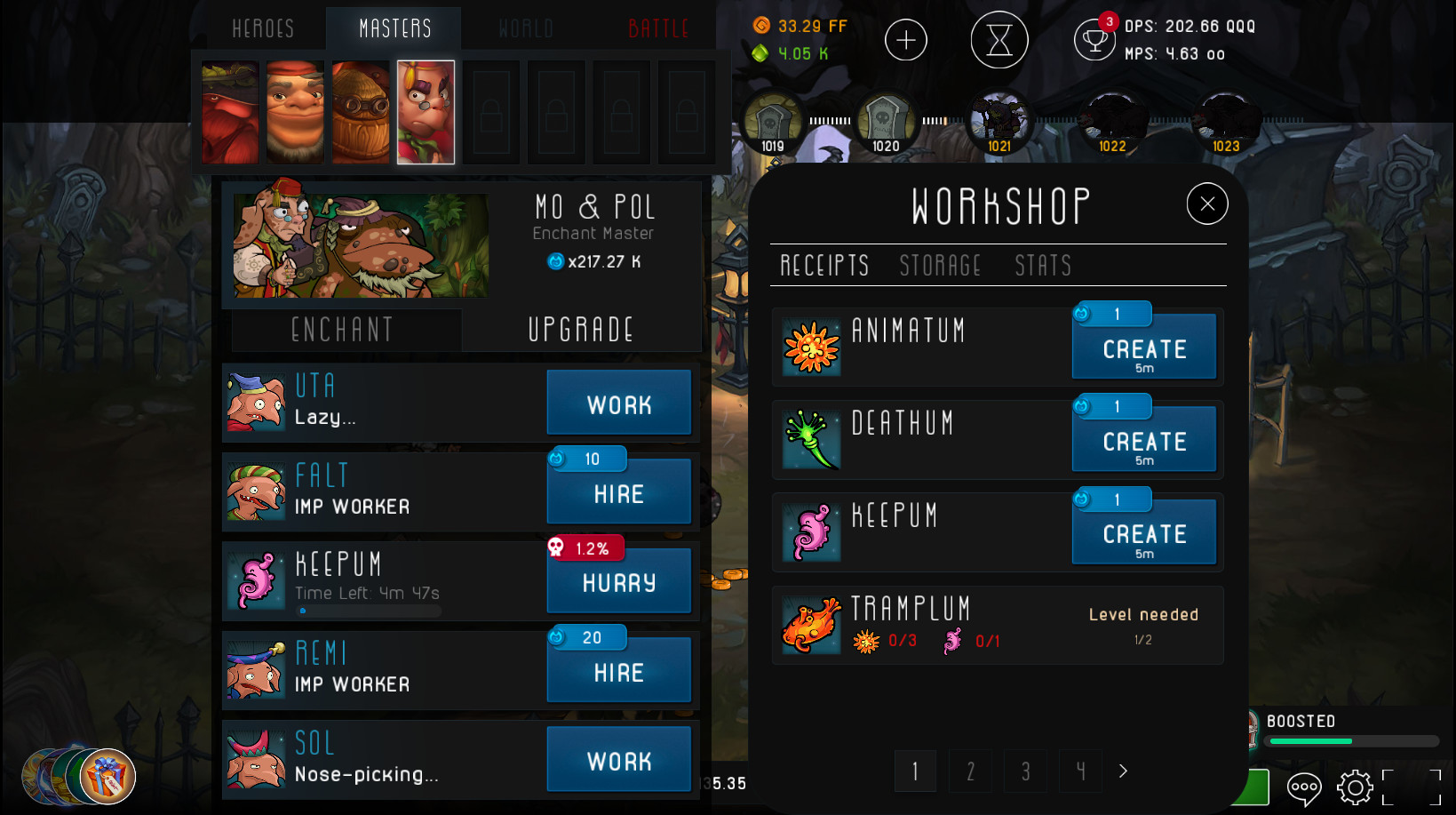
Tap Adventure: Time Travel
Kongregate
Same platform, Same business model, Similar gameplay style
Ludo King
Gametion Technologies Pvt Ltd
Same platform, Same business model, Similar gameplay style
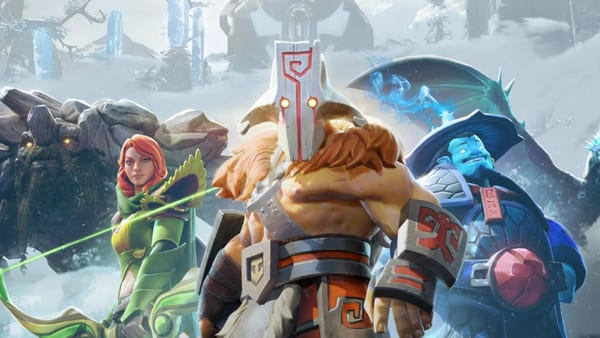
Dota 2
Valve
Same platform, Same business model, Similar gameplay style
Official Ratings
Users Interact (extensive chat); In-Game Purchases (skins)
Age Fit
Help us rate the next game
GameCompass is free for every family and takes nothing from game studios. A coffee is what puts the next game on the list.
Buy us a coffeeWhat support pays for