
Game images by RAWG
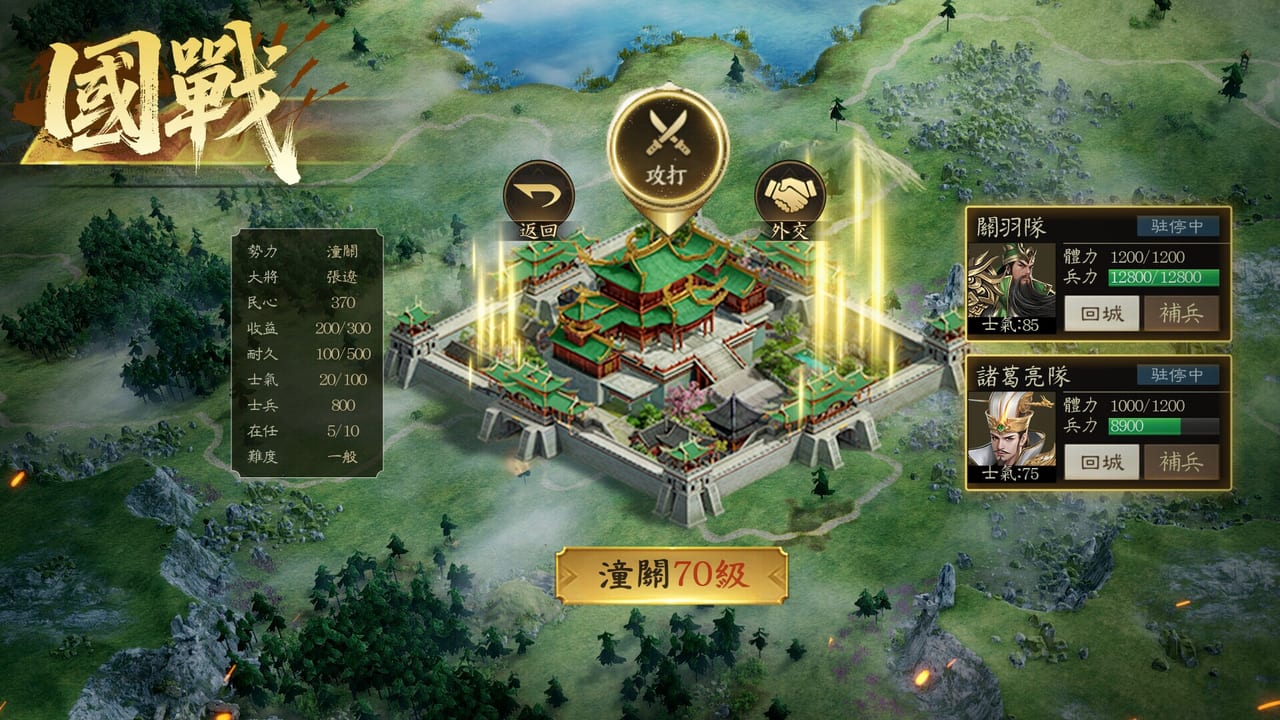
攻城.三國.志
問鼎九州工作室
About This Game
Super Review攻城.三國.志 is a free-to-play online strategy game set in China's Three Kingdoms period, offering deep tactical play and cooperative alliance building. While it provides strategic challenge and historical context, its core progression relies heavily on chance-based purchases for generals and in-app currency to speed up play. Parents must be vigilant about spending, constant engagement, and open online chat with strangers.
Super Review
Parent verdict
This online strategy game is a qualified fit for older teens (13-18) with active parental oversight, primarily due to its strategic depth and cooperative multiplayer elements. However, the game's monetization model, heavily featuring gacha mechanics and in-app purchases tied to progression, presents significant financial risks. Its constant online pressure and unmoderated social interactions also require clear family rules and discussions to mitigate concerns.
What players actually do
- Players manage and upgrade their cities, allocating resources to construct buildings and develop technologies to strengthen their empire and armies.
- Players recruit and cultivate historical generals, enhancing their abilities and forming strategic teams to lead troops into battle.
- Players engage in real-time strategic battles on a large world map, planning troop movements, besieging enemy cities, and coordinating with allies in large-scale online warfare.
Where it shines
- The game encourages genuine strategic thinking, requiring players to manage resources, plan troop movements and siege tactics, and balance long-term city development with immediate battlefield needs.
- A strong cooperative design fosters real teamwork and communication, as players form alliances, plan group strategies, and coordinate attacks with others online for shared goals.
Parent watch-outs
- The game's core progression relies heavily on chance-based (gacha) purchases for recruiting and upgrading powerful generals, a mechanic with strong links to problem gambling habits.
- Numerous in-game currencies, timers, daily logins, and limited-time events create significant pressure for players to log in constantly and spend money, fostering a fear of missing out (FOMO).
Family rules worth setting
- Set strict limits on in-app purchases, ensuring no real money can be spent without explicit parental permission for each transaction.
- Establish clear boundaries for daily playtime and total screen time, to prevent constant check-ins and reduce pressure from daily rewards and events.
Talk about this
- Discuss the psychology behind gacha mechanics and in-app purchases, explaining how they are designed to encourage spending and constant engagement, and the importance of financial limits.
- Talk about safe online communication practices and the risks of interacting with strangers in unmoderated chat environments, emphasizing what information should never be shared.
Play style
Sessions can vary from short daily check-ins to collect resources and complete events, to longer, intense periods of strategic planning and large-scale multiplayer battles. The game's difficulty comes from managing multiple interconnected systems and competing against other players, often requiring significant time investment or monetary spending to progress effectively. It is heavily focused on cooperative and competitive online play, with communication in alliance chats being crucial for success. Younger players may need help understanding the complex strategic layers and managing the various currencies and timers.
Score Breakdown
Positive Aspects
Risk Factors
Why this rating
Educational Value
3/5The game scores a 3 for Educational Value. While it immerses players in a historical setting with real figures and maps, providing a backdrop for strategic thinking and resource management, it does not directly teach historical facts or offer deep academic content. The learning is primarily through strategic gameplay rather than explicit lessons.
Addictive Monetization
5/5Addictive Monetization receives a score of 5, indicating very high concern. The game's progression is central to chance-based gacha purchases for powerful generals, a mechanic known to encourage excessive spending and mimic gambling behavior. In-app purchases are also deeply integrated into the core loop, offering instant advantages over skill.
Pro-Social
4/5Pro-Social scores a 4 due to the strong emphasis on cooperative gameplay. Players must form alliances, plan group strategies, and coordinate attacks with others online, fostering teamwork and communication skills. This requires genuine collaboration with other people to achieve shared objectives.
Time Pressure / FOMO
4/5Time Pressure / FOMO receives a score of 4, reflecting significant concern. The game employs daily login bonuses, limited-time events, and ongoing promotions to encourage constant check-ins and engagement. This design aims to make players feel like they will miss out on valuable rewards if they do not play regularly.
Social Risk
4/5Social Risk scores a 4, highlighting considerable concern. The game is heavily multiplayer with full-server PvP and alliance group chat, meaning players will interact extensively with strangers. Details on moderation are limited, posing risks for exposure to inappropriate content or interactions.
Negatives
- •Chance-based gacha purchases for recruiting and upgrading generals are central to the game, a mechanic linked to problem gambling habits in teenagers.
- •In-app purchases are built into the core loop: premium currency can be spent to instantly recruit troops, heal soldiers and retry daily activities, which rewards spending over skill.
- •Daily login bonuses, limited-time events, gift codes and holiday promotions push players to check in constantly to avoid missing rewards.
- •The game is heavily multiplayer with full-server PvP and alliance group chat, so children will interact with strangers in an environment with limited moderation detail available.
- •Several in-game currencies and timers make it hard for a child to keep track of what real money is being spent and on what.
Positives
- •The Three Kingdoms setting and historical map exposure to famous figures and places, though real history is used as a backdrop for gameplay rather than taught directly.
- •Genuine strategic thinking: players manage resources, plan troop movements and siege tactics, and weigh long-term city development against short-term battles.
- •Strong cooperative design — alliances, group planning and coordinated attacks give players real teamwork experience with other people online.
- •Cross-platform multiplayer lets friends on different devices play together.
Other Recommended Games
Ludo King
Gametion Technologies Pvt Ltd
Same platform, Same business model, Similar gameplay style
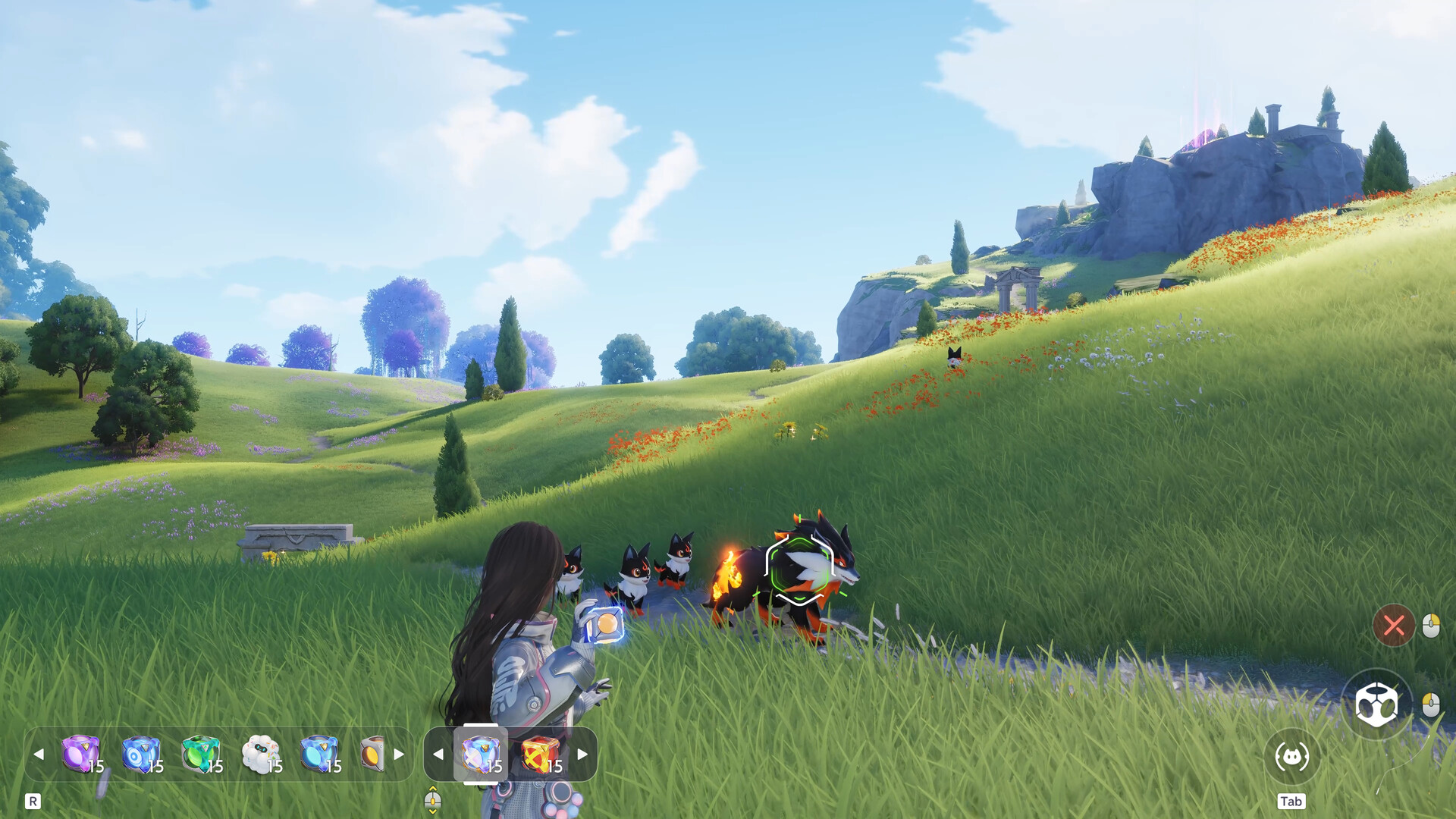
Aniimo
Same platform, Same business model, Similar gameplay style
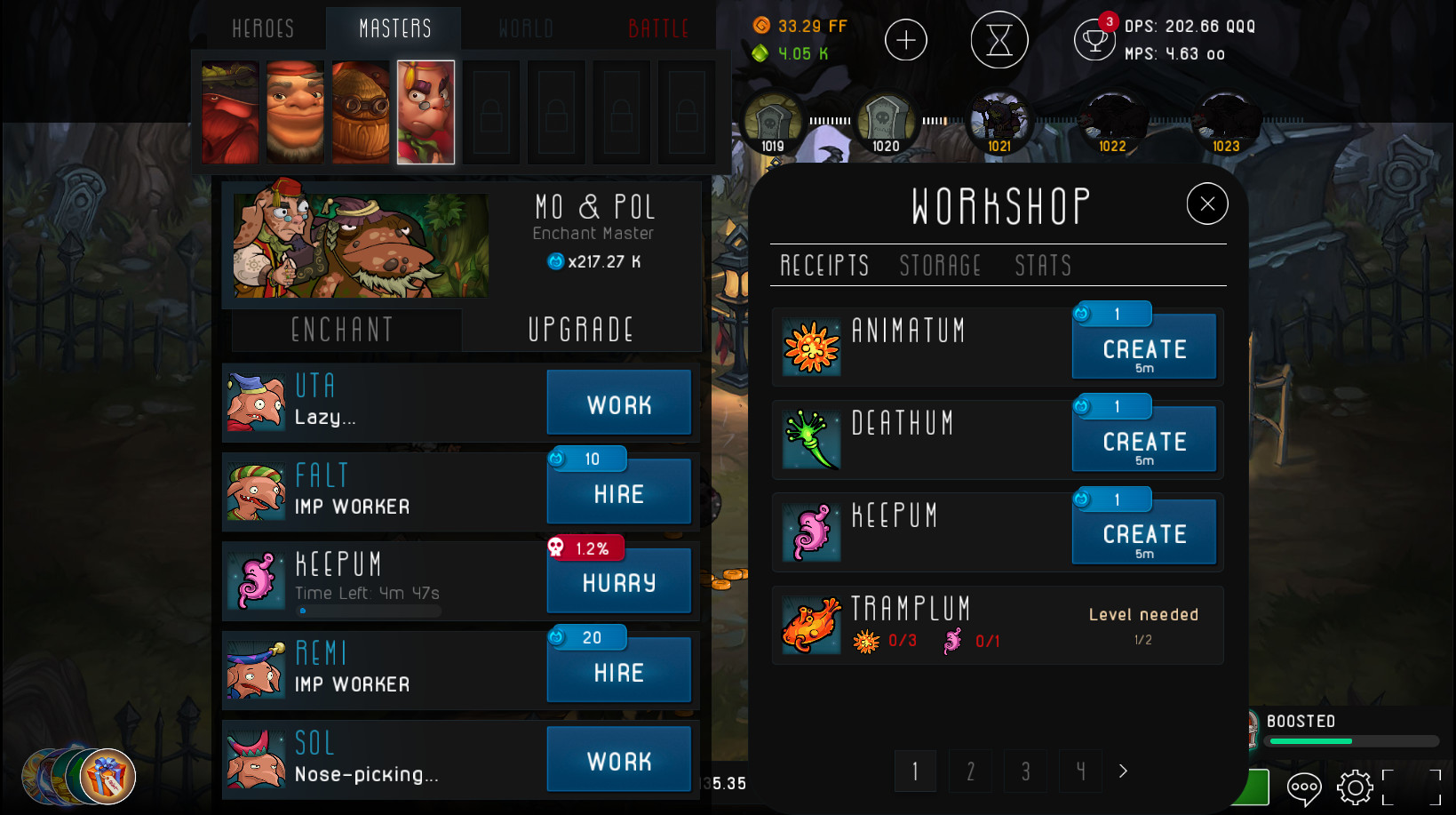
Tap Adventure: Time Travel
Kongregate
Same platform, Same business model, Similar gameplay style
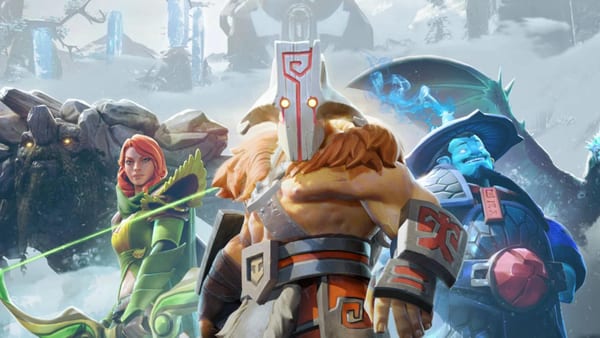
Dota 2
Valve
Same platform, Same business model, Similar gameplay style
Official Ratings
In‑game purchases; Chance‑based purchases (gacha); Online interactivity; In‑game chat
Age Fit
Help us rate the next game
GameCompass is free for every family and takes nothing from game studios. A coffee is what puts the next game on the list.
Buy us a coffeeWhat support pays for