
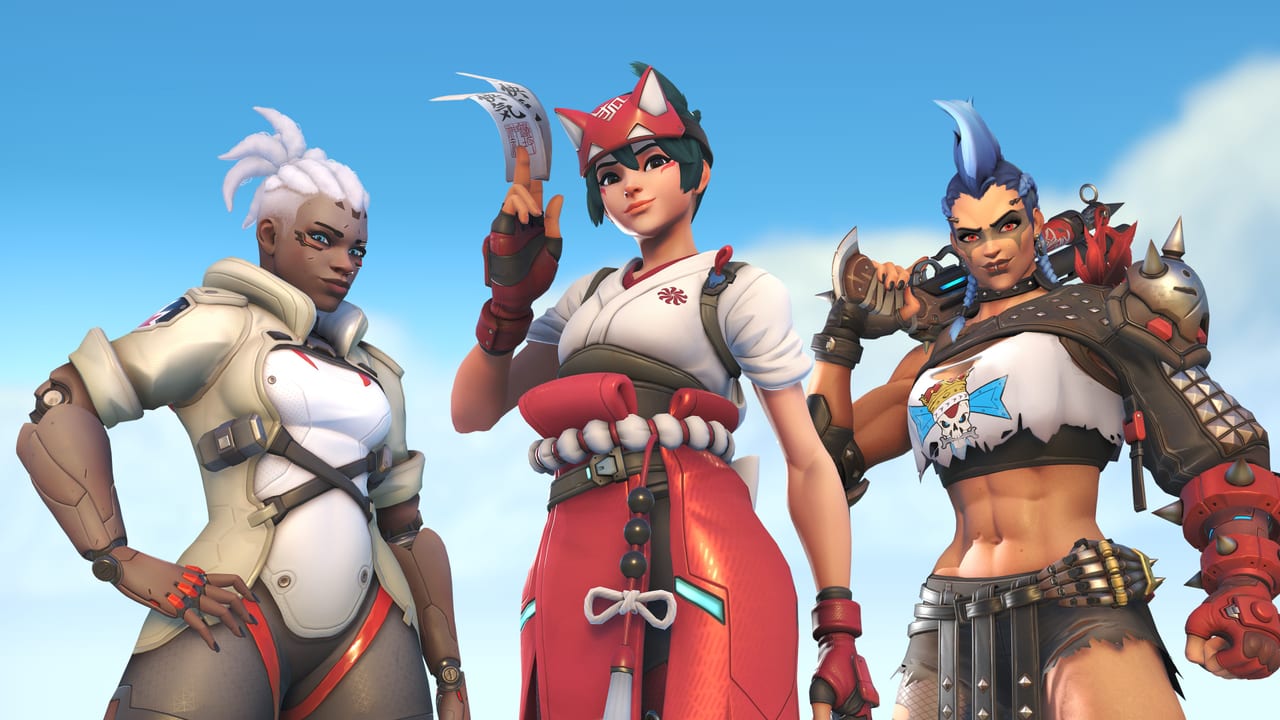
Game images by RAWG
Overwatch 1 & 2
Blizzard Entertainment
About This Game
Super ReviewOverwatch 2 is a fast-paced team-based shooter featuring vibrant heroes and strategic objective play. While its core mechanics emphasize teamwork and coordination, the free-to-play model relies heavily on cosmetic battle passes and an item shop, creating pressure to spend. The constant online competitive environment, coupled with open voice and text chat, exposes players to significant social risks and potential toxicity, making it a high-risk choice for younger players.
Super Review
Parent verdict
Overwatch 2 is a challenging proposition for families due to its highly competitive nature and aggressive monetization, reflected in its Risky rating. It is best suited for mature older teens (16+) who demonstrate strong self-regulation, understand online social dynamics, and can navigate spending pressures. Younger players will likely struggle with the intensity and face heightened exposure to online risks, making it difficult to recommend without significant, active parental oversight and strict limits.
What players actually do
- Players select a hero from diverse roles (Tank, Damage, Support) and work with a team of four others to complete objectives like capturing points or escorting payloads, exercising strategic thinking and role-based cooperation.
- Players engage in fast-paced combat using unique character abilities, weapons, and tactical movement to defeat opposing players, demanding quick reflexes and environmental awareness.
- Players progress through seasonal battle passes to unlock cosmetic items, or purchase them directly from a rotating in-game shop, which encourages frequent play and spending to customize their heroes.
Where it shines
- The game strongly emphasizes teamwork and communication, requiring players to coordinate hero abilities and strategies to succeed, fostering collaborative problem-solving skills.
- Its diverse cast of heroes with unique playstyles allows players to find characters that suit their preferences, potentially helping some feel represented and encouraging experimentation with different roles.
Parent watch-outs
- The game's always-online, highly competitive nature, especially in ranked modes, can create significant stress, frustration, and a desire for long play sessions to chase rank.
- Open voice and text chat are enabled by default and frequently expose players to toxicity, harassment, inappropriate language, and interactions with strangers, posing a substantial social risk.
- The free-to-play model heavily promotes cosmetic battle passes, rotating item shop skins, and bundles that push frequent spending, potentially creating pressure to buy numerous items.
Family rules worth setting
- Disable all voice and text chat in the game's audio settings, or use console-level communication restrictions to prevent interaction with strangers.
- Set strict spending limits or disable in-game purchases entirely through Blizzard's parental controls or console settings to manage monetization risks.
Talk about this
- Discuss the competitive environment and the importance of healthy attitudes towards winning and losing, reminding players to step away if a match becomes too stressful.
- Talk about the psychological tactics used in free-to-play games, such as limited-time offers and battle pass progression, and how they encourage spending and consistent play.
Play style
Overwatch 2 consists of short, objective-based matches typically lasting around 10-15 minutes, but the competitive ranked mode can extend session length due to player desire to climb leaderboards. The difficulty is high due to its competitive online nature, requiring strategic teamwork and quick reflexes. It is exclusively online and team-based, with no offline or single-player options, meaning players constantly interact with strangers. Younger players may need help understanding complex hero synergies and managing frustration from losses or toxic teammates.
Score Breakdown
Positive Aspects
Risk Factors
Why this rating
Educational Value
0/5Overwatch 2, as a competitive online shooter, offers no direct academic or general educational content. Its primary focus is on entertainment and skill-based combat rather than learning. Therefore, it does not contribute to educational development.
Pro-Social
3/5The game strongly encourages teamwork, coordination, and communication to achieve objectives, fostering collaborative skills. Players must work together using complementary hero abilities, which can build positive team dynamics when interactions are healthy. However, this benefit is significantly tempered by the frequent toxicity present in public online chats.
Addictive Monetization
4/5Overwatch 2's free-to-play model features a robust cosmetic battle pass system and a rotating in-game shop with expensive bundles, creating constant pressure to spend. The design uses FOMO (fear of missing out) with time-limited items and a progression system that incentivizes continuous engagement and purchases. This aggressive monetization can be particularly exploitative for younger players.
Time Pressure / FOMO
4/5The highly competitive nature of Overwatch 2, especially in ranked play, creates significant pressure to perform well and climb leaderboards, which can lead to extended play sessions and frustration. The seasonal battle pass system also encourages frequent logins and consistent play to unlock rewards before they expire. This combination can contribute to feelings of obligation and time pressure for players.
Social Risk
4/5Overwatch 2's always-online format with open voice and text chat by default exposes players to significant social risks. The game has a documented history of toxicity, including harassment, inappropriate language, and slurs from strangers. This environment presents a substantial concern for younger players, despite available moderation tools.
Negatives
- •Always online and strongly competitive which can heighten stress
- •Battle pass and rotating skins push frequent play and spending
- •Voice and text chat can include toxicity, harassment and slurs
Positives
- •Strong emphasis on teamwork, roles and communication
- •Diverse cast can help some players feel represented
- •Short matches with clear objectives can teach coordination under pressure
Gameplay Videos
Official Ratings
Users Interact (voice and text chat; competitive online play); In-Game Purchases (cosmetics, battle pass)
Age Fit
Help us rate the next game
GameCompass is free for every family and takes nothing from game studios. A coffee is what puts the next game on the list.
Buy us a coffeeWhat support pays for