
Game images by RAWG
Rust Console Edition
Facepunch Studios; Double Eleven
About This Game
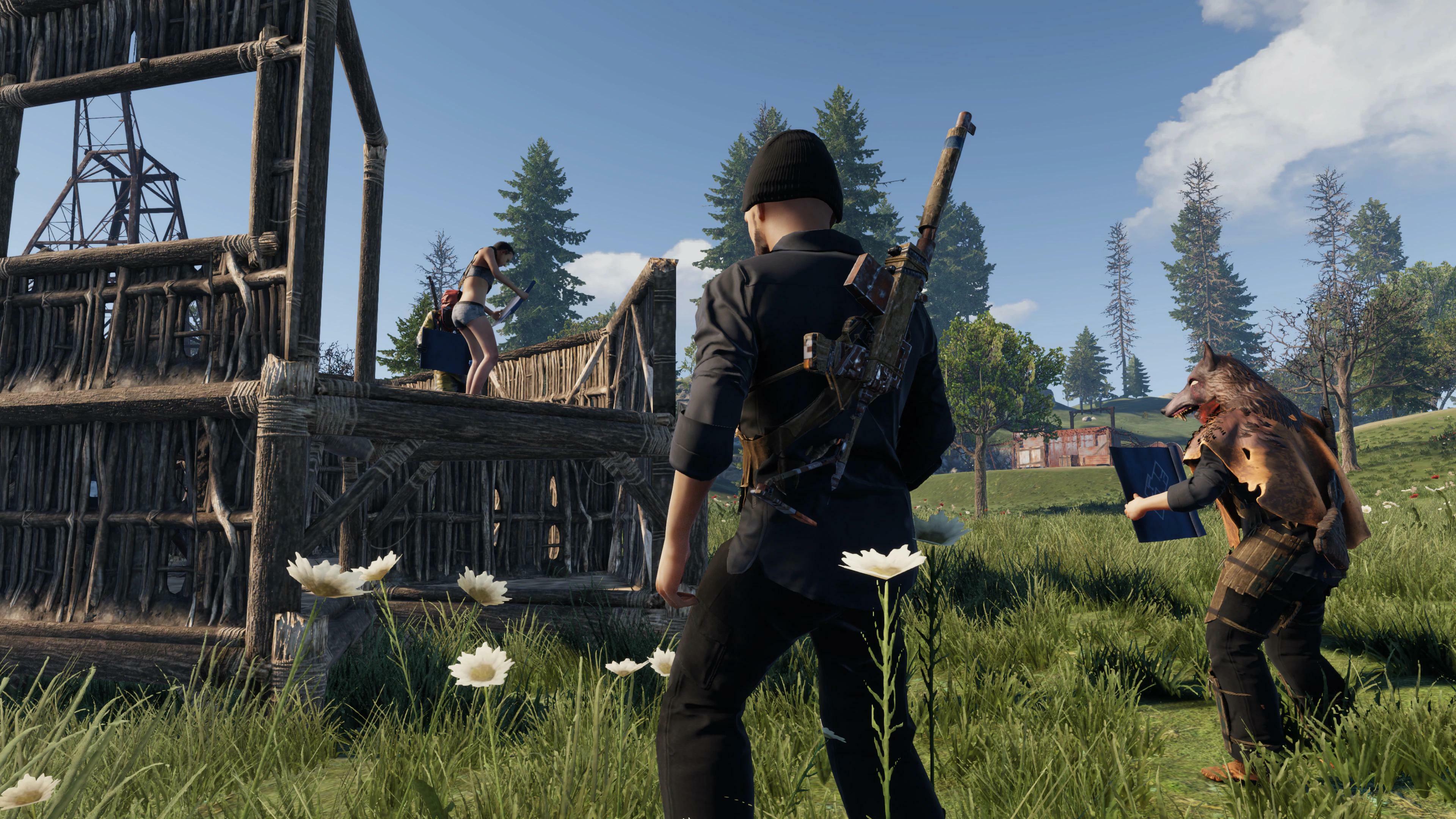
Super ReviewRust Console Edition is an intensely challenging online survival game where players fight for resources, build bases, and engage in brutal combat. Its open-world nature and player-driven conflicts create a volatile environment, often involving harsh social interactions, griefing, and significant time investment to protect progress. This game is a highly risky choice for younger teens.
Super Review
Parent verdict
Given its 'Risky' health score of 28, Rust Console Edition is not a suitable game for most children or even younger teens. The game's core loop of unforgiving survival, coupled with its highly competitive and often toxic online community, presents significant challenges. Parents should be aware of the mature content, constant threat of player interaction, and the potential for emotional distress due to loss of progress, making it best reserved for older, emotionally mature teens who understand and are prepared for its extreme demands and social dynamics.
What players actually do
- Gather raw materials like wood, stone, and metal to craft tools, weapons, and components, exercising resource management and planning skills.
- Construct and defend persistent bases against environmental threats and other players, which encourages architectural planning, fortification strategies, and teamwork if playing with friends.
- Engage in player-versus-player combat using a variety of weapons, demanding quick reflexes, tactical positioning, and decision-making under pressure.
- Navigate a vast, hostile island, deciding whether to form temporary alliances with strangers or maintain a vigilant, solitary stance to survive.
Where it shines
- The emergent gameplay allows for unique, player-driven narratives and intense moments of triumph or loss, fostering adaptive problem-solving.
- Base building and resource management can encourage long-term planning, goal setting, and, when playing with a group, significant coordination and teamwork.
Parent watch-outs
- The online environment is completely open, meaning children are exposed to uncensored voice chat, strong language, and potentially aggressive or harassing behavior from other players.
- Combat is frequent and brutal, involving explicit depictions of blood and violence, and players can be killed and lose all their hard-earned items, leading to significant frustration or distress.
- The constant threat of 'offline raiding' – where other players can destroy a child's base and steal their items while they are not playing – can lead to intense pressure to play frequently and for long durations.
- The monetization includes cosmetic and convenience items, with a focus on encouraging ongoing engagement rather than simply being optional aesthetic choices.
Family rules worth setting
- Strictly limit or disable voice chat to prevent exposure to inappropriate language and interactions, or ensure all interactions are with known friends in a private party chat.
- Set clear time limits for play sessions, emphasizing that the game is designed to encourage continuous engagement, and discuss the futility of trying to protect a base 24/7.
Talk about this
- Discuss the nature of online communities and the importance of disengaging from toxic players or conversations, reminding them that not everyone online is kind.
- Explore the feeling of losing progress in a game and how to cope with frustration, emphasizing that it's just a game and real-world relationships and responsibilities come first.
- Talk about the in-game purchase model and why some items might seem appealing, ensuring they understand the difference between optional cosmetics and necessities, and the value of real money.
Play style
Rust is a demanding, open-ended survival sandbox played entirely online. Sessions can range from short resource-gathering runs to multi-hour base-building and raiding efforts, often with high stakes. Difficulty is extreme due to both environmental threats and relentless player-versus-player conflict, including the risk of losing all progress upon death or an offline base raid. It's primarily a social experience, either in a solo, high-stress vigilance or through alliances with other players; new players may need considerable help and guidance to survive and understand the harsh community norms.
Score Breakdown
Positive Aspects
Risk Factors
Why this rating
Educational Value
1/5While the game involves resource management and some problem-solving, these benefits are overshadowed by the intense, often brutal, and chaotic online environment. The educational value is minimal in the face of constant conflict and social risk, hence a very low score of 1.
Addictive Monetization
3/5Rust features cosmetic and convenience in-app purchases within a premium game, which can add to the overall cost. While not predatory in a free-to-play sense, the presence of these purchases within a game designed for high engagement contributes to a score of 3, as it encourages additional spending beyond the initial game purchase.
Time Pressure / FOMO
4/5The core gameplay loop in Rust creates significant time pressure, as players must constantly protect their bases and resources from decay and other players. The risk of 'offline raiding' means progress can be lost while not playing, which strongly incentivizes long and frequent play sessions, contributing to a high score of 4.
Social Risk
5/5Rust's open voice chat and player-versus-player focus inherently create an extremely high social risk environment. Players frequently encounter strong language, griefing, harassment, and an overall hostile community culture, resulting in the highest possible social risk score of 5.
Content Intensity
4/5The game depicts frequent and brutal violence, including blood effects and combat with various weapons, aligning with its M (Mature) and PEGI 16 ratings. The constant threat of death and loss of progress, combined with the visual content, contributes to a high content intensity score of 4.
Negatives
- •Open voice chat, griefing, offline base raids and harsh survival loops can be extremely stressful
- •community norms often include strong language.
Positives
- •Emergent gameplay can foster planning, group coordination and long‑term projects like base building.


Official Ratings
Users Interact; In-Game Purchases
Age Fit
Help us rate the next game
GameCompass is free for every family and takes nothing from game studios. A coffee is what puts the next game on the list.
Buy us a coffeeWhat support pays for