
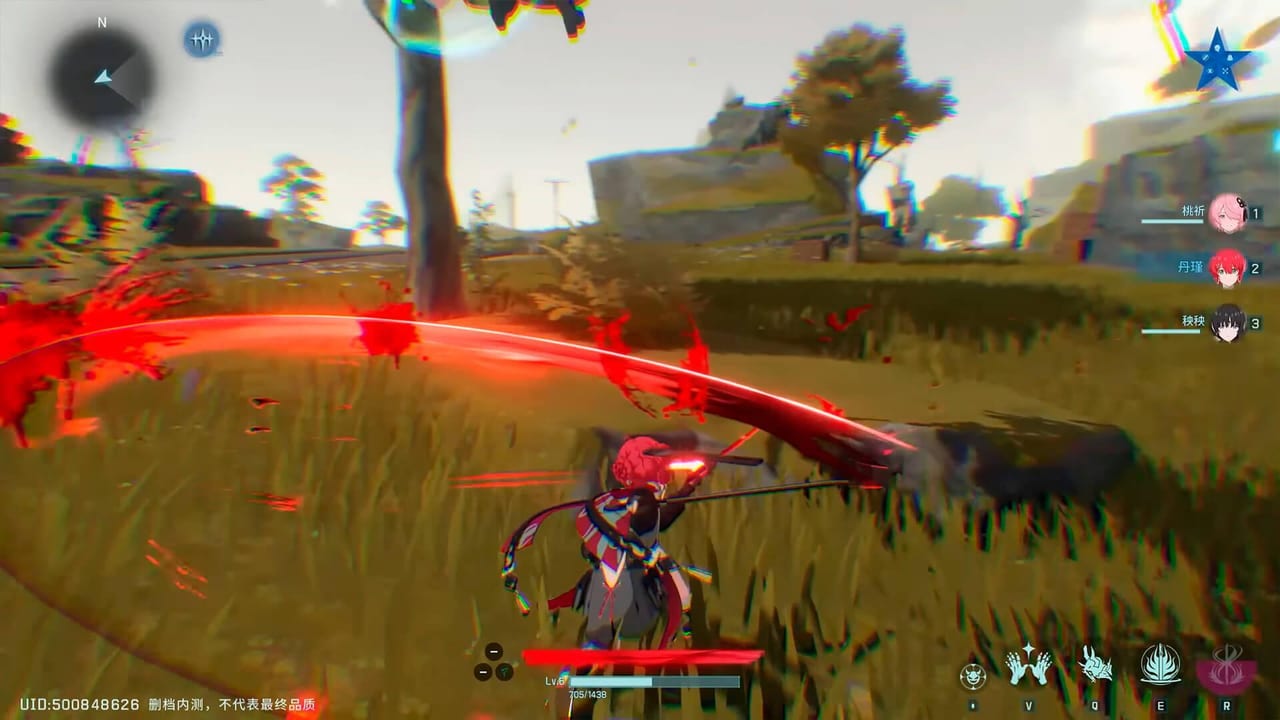
Game images by RAWG
Wuthering Waves: Version 2.0
Kuro Games
About This Game
Super ReviewWuthering Waves offers fast-paced, combo-driven combat and a sprawling world to explore, but its free-to-play gacha model presents significant risks. Players collect characters and weapons through randomized draws, with strong pressure to spend money and engage daily to keep up. While combat is engaging, parents must set clear boundaries on time and spending for this game.
Super Review
Parent verdict
This action RPG presents a high-octane combat experience with deep character customization, which can be appealing for older players. However, its low score of 29 and 'Risky' label stem from aggressive monetization that pushes players towards spending on randomized gacha pulls for new characters and equipment. Combined with daily engagement loops, it's best reserved for older teens who have a strong grasp of budgeting and time management, and even then, requires parental vigilance.
What players actually do
- Players engage in fast-paced, combo-based combat against a variety of monsters, requiring strategic character switching and ability timing.
- Players explore a vast open world, uncovering hidden areas, solving environmental puzzles, and progressing through a branching storyline.
- Players spend premium currency on randomized 'gacha' banners to acquire new playable characters and powerful weapons, influencing team composition and combat strategy.
Where it shines
- The combat system is dynamic and rewarding, encouraging players to master character abilities and execute intricate combos for satisfying victories.
- Exploration and character-building offer depth, with players experimenting with different team synergies and equipment sets to optimize their performance.
Parent watch-outs
- The core progression heavily relies on a gacha system, pushing players to spend real money on randomized pulls for desired characters and items, creating a cycle of anticipation and potential disappointment.
- Daily tasks, limited-time events, and rotating banners create strong Fear Of Missing Out (FOMO), encouraging constant engagement to maximize free rewards and progression.
Family rules worth setting
- Set strict daily or weekly limits on playtime to prevent excessive engagement with the game's daily task loops and events.
- Implement a 'no spending' rule or a very strict, pre-approved budget for in-game purchases, explaining the risks of gacha mechanics.
Talk about this
- Discuss the psychology behind randomized rewards and limited-time offers in games, and how they can influence spending decisions.
- Talk about the importance of balancing game time with other activities, and how daily rewards in games can sometimes feel like a chore rather than fun.
Play style
Sessions can range from quick daily logins to hours of exploration and combat, depending on player goals. The difficulty is generally accessible but ramps up for end-game content, requiring strategic team building. While primarily a solo experience, there are social elements through friend lists and co-op challenges, where players can team up. Younger or less experienced players might need help understanding character builds and resource management.
Score Breakdown
Positive Aspects
Risk Factors
Why this rating
Educational Value
0/5Wuthering Waves does not offer explicit educational content or design elements. Its primary focus is on action combat, exploration, and character progression, without incorporating academic or skill-building curricula.
Addictive Monetization
5/5The game's core progression and character acquisition are tied to a gacha system, featuring rotating banners and 'pity' mechanics that heavily incentivize spending money on randomized pulls. This creates significant pressure to purchase virtual currency to obtain desired characters and weapons, leading to potentially addictive spending behaviors.
Time Pressure / FOMO
3/5Wuthering Waves employs daily tasks, live-service events, and limited-time gacha banners that encourage constant engagement to maximize free rewards and secure rare items. This design fosters a strong sense of Fear Of Missing Out (FOMO), pressuring players to log in frequently to avoid missing out on progression or exclusive content.
Social Risk
3/5While social interaction is not central, the game includes features like user interaction and co-op multiplayer, exposing players to others online. There's a risk of exposure to mild language and potentially inappropriate usernames, as indicated by the 'Users Interact' interactive element.
Negatives
- •Gacha pulls, banners and events create strong FOMO and spending pressure
- •daily tasks encourage constant engagement.
Positives
- •Fast, expressive combat
- •exploration and build-crafting reward experimentation and planning.
Other Recommended Games
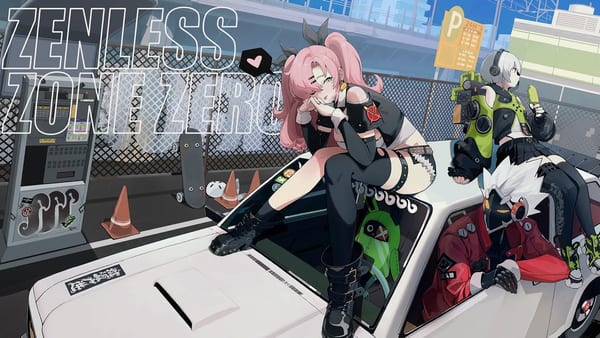
Zenless Zone Zero
HoYoverse
Same platform, Same business model, Similar gameplay style

Honkai: Star Rail
HoYoverse
Same platform, Similar gameplay style

Street Fighter 6
Capcom
Same platform, Similar gameplay style
NTE: Neverness to Everness
Hotta Studio
Same platform, Similar gameplay style
Official Ratings
Users Interact; In-Game Purchases (Includes Random Items)
Age Fit
Help us rate the next game
GameCompass is free for every family and takes nothing from game studios. A coffee is what puts the next game on the list.
Buy us a coffeeWhat support pays for