
Game images by RAWG
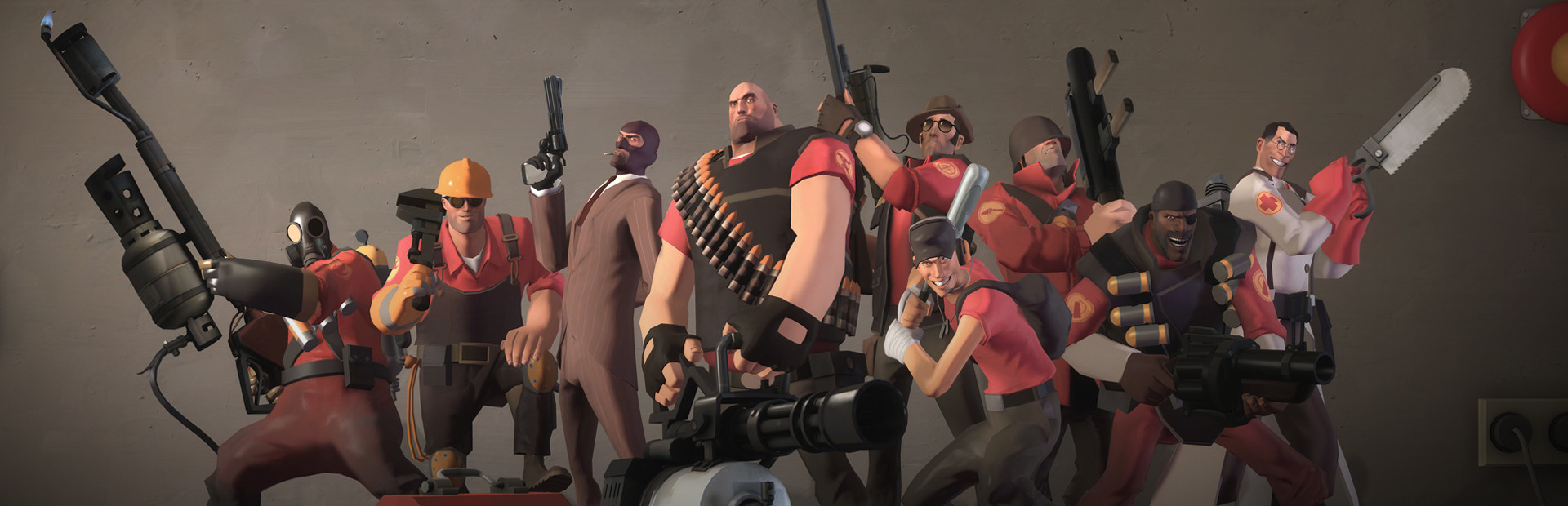
Team Fortress 2
Valve
About This Game
Super ReviewTeam Fortress 2 is a fast-paced, class-based team shooter where players work together to complete objectives. While its cartoonish style and emphasis on teamwork can be engaging, parents should be aware of significant risks from unmoderated online chat, a free-to-play model driven by cosmetic purchases, and frequent intense violence. This is a Risky choice for younger players, best considered only for mature teens.
Super Review
Parent verdict
Team Fortress 2 is a challenging proposition for parents. Its appeal lies in its distinct character classes and deep team-based strategy, encouraging players to master roles and communicate. However, the game's Risky health score of 28 reflects substantial concerns regarding its open online environment, which includes potential exposure to strong language and harassment, alongside a monetization model that encourages cosmetic spending and trading. This title is best suited for older teens already familiar with online shooters, who possess strong self-regulation skills and a clear understanding of online risks, and whose parents are prepared to set strict boundaries.
What players actually do
- Players choose from nine distinct character classes, each with unique weapons and abilities, and learn to apply their specific role (e.g., healing as a Medic, stealth as a Spy) to help their team secure objectives.
- Players engage in fast-paced, objective-based combat against an opposing team, requiring quick reflexes and tactical decision-making to outmaneuver opponents and control areas.
- Players use integrated voice and text chat to coordinate strategies and communicate with teammates, which is central to effective teamwork and objective completion.
Where it shines
- The game strongly emphasizes teamwork, communication, and understanding different character roles, as success heavily relies on players cooperating and utilizing their class strengths effectively.
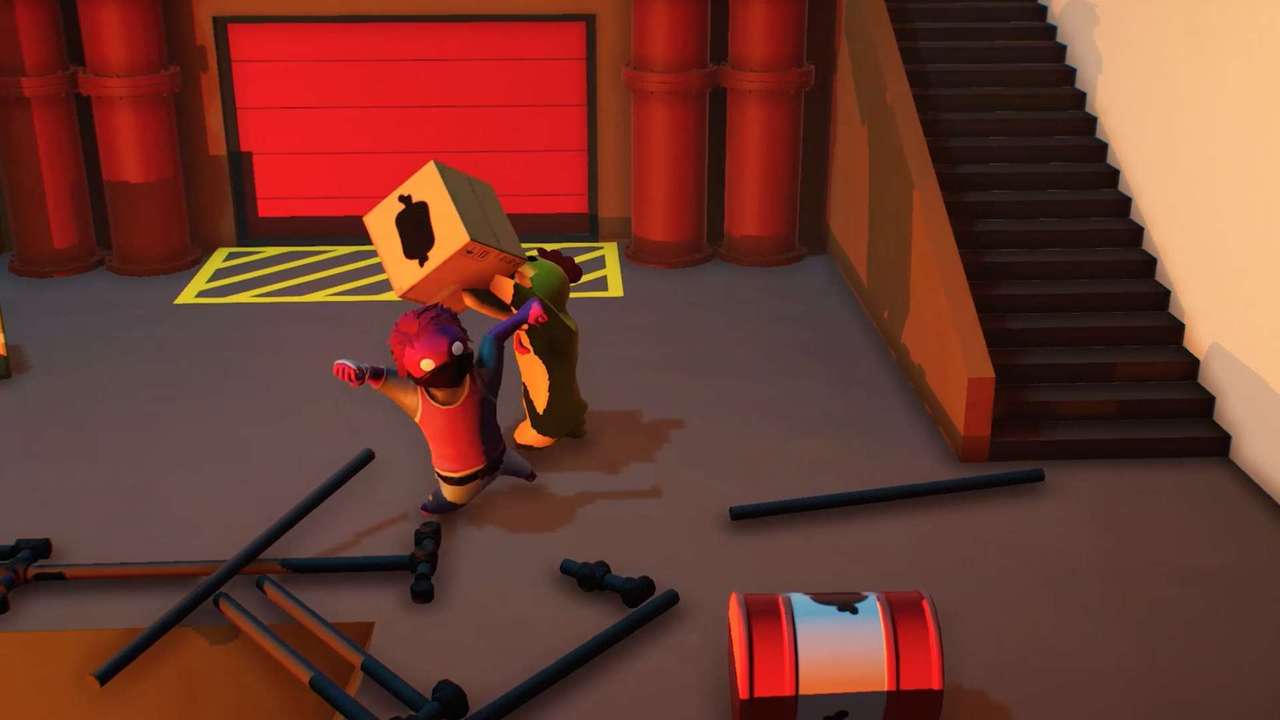
- Team Fortress 2 features a distinctive, humorous art style that, despite depicting violence, renders it in a cartoonish and over-the-top manner rather than a realistic one.
Parent watch-outs
- Open online lobbies expose players to unmoderated voice and text chat, which frequently includes strong language, aggressive behavior, and harassment from other users.
- The free-to-play business model relies on in-game purchases for cosmetic items and weapons, often traded through a player-driven market, potentially exposing teens to scam attempts and encouraging significant spending.
- Combat involves frequent explosions, blood, and slapstick dismemberment, which, while cartoon-styled, is consistently intense and can be graphic for younger audiences.
Family rules worth setting
- Families should set strict rules regarding online interaction, potentially disabling voice and text chat entirely, or limiting play to supervised sessions.
- Establish a clear budget or outright prohibition on in-game purchases and trading, ensuring children understand that cosmetics are optional and not necessary for gameplay.
Talk about this
- Discuss the importance of responsible online behavior, how to report or mute toxic players, and the difference between playful banter and genuinely harmful communication.
- Have a conversation about the psychology behind cosmetic purchases in free-to-play games, the value of digital items, and how to avoid falling for scams in player-driven markets.
Play style
Team Fortress 2 matches are session-based, typically lasting 10-20 minutes, allowing for pick-up-and-play experiences. The game has a steep learning curve due to the varied classes and advanced tactics, meaning new players may experience initial frustration. It is primarily a social, team-based experience, with success heavily reliant on cooperation. Children might need parental guidance to navigate the online social dynamics and understand complex game mechanics.
Score Breakdown
Positive Aspects
Risk Factors
Why this rating
Educational Value
0/5Team Fortress 2 offers no explicit educational content. Its focus is purely on competitive multiplayer combat and strategy, with no curriculum-aligned learning or skill development outside of gaming itself.
Addictive Monetization
4/5As a free-to-play game, Team Fortress 2 strongly encourages in-game purchases for cosmetic items and weapons, often through a player-driven market. This system can foster a desire for rare items and exposes players to potential scams, contributing to a high risk of addictive monetization.
Social Risk
4/5The game features open online lobbies with unmoderated voice and text chat, leading to significant social risks. Players are routinely exposed to strong language, harassment, and other inappropriate user-generated content, making it a high-risk environment for younger players.
Content Intensity
3/5While presented with a cartoonish art style, Team Fortress 2's combat includes frequent explosions, blood, and slapstick dismemberment. This consistent depiction of intense violence, even if not realistic, earns a score of 3 for content intensity, reflecting its mature themes.
Negatives
- •Open lobbies, strong language and trading can expose teens to scams and harassment
- •matches reward long play sessions and skill grind.
Positives
- •Emphasises teamwork, communication and role understanding
- •art style is humorous rather than realistic.
Other Recommended Games
Official Ratings
Users Interact; In-Game Purchases
Age Fit
Help us rate the next game
GameCompass is free for every family and takes nothing from game studios. A coffee is what puts the next game on the list.
Buy us a coffeeWhat support pays for