
Game images by RAWG
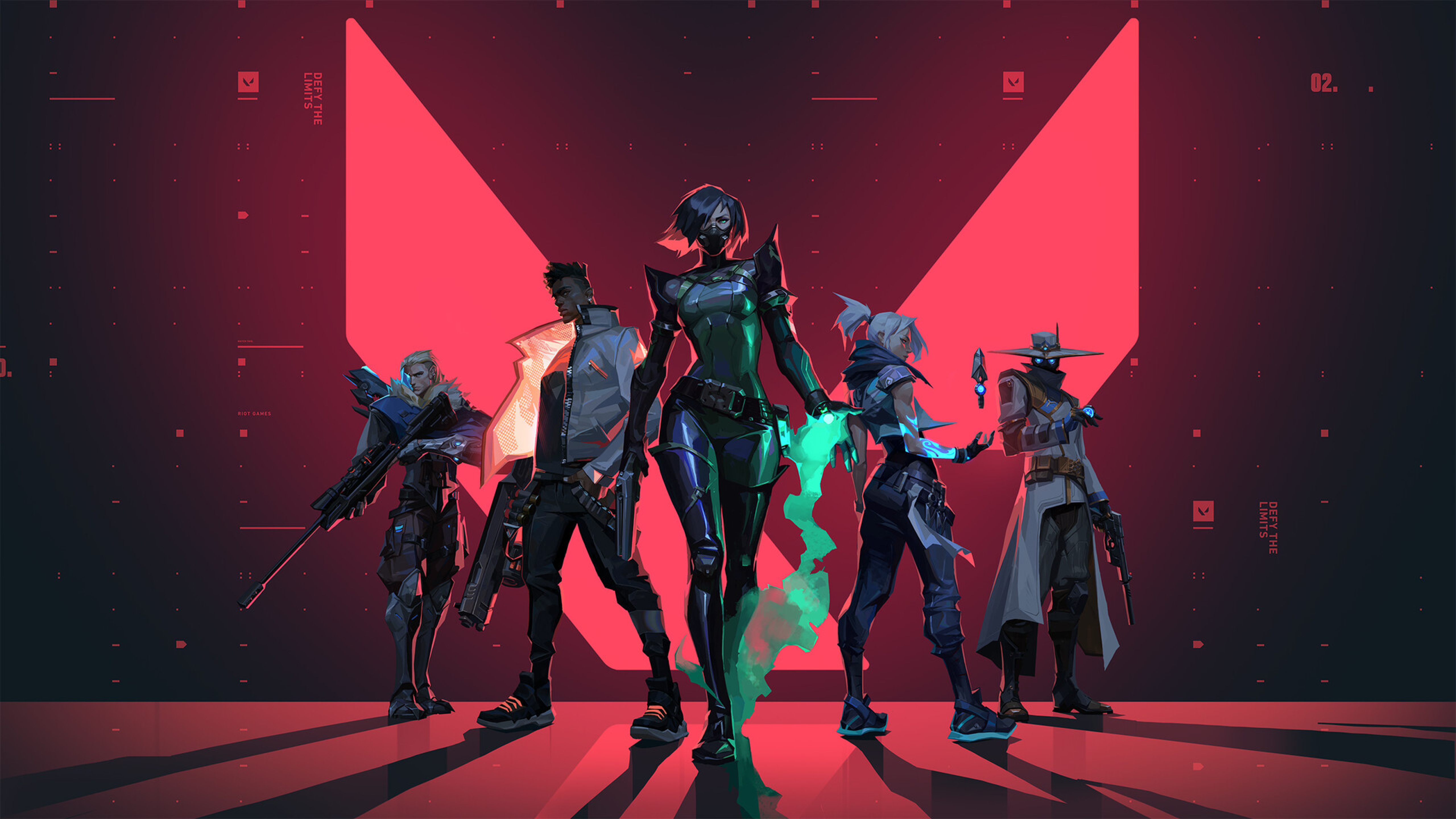
Valorant
Riot Games
About This Game
Super ReviewValorant is a fast-paced, team-based tactical shooter. While it champions teamwork and strategic thinking, its highly competitive nature, mature content, and unregulated social interactions make it a risky choice for younger players. It's best reserved for older teens who can navigate its challenges and potential toxicity.
Super Review
Parent verdict
Valorant scores a low 28, indicating it is a Risky game primarily due to its intense competitive environment, mature content, and significant social risks. While the game's core loop of tactical team-based shooting can foster coordination, parents should be aware of the potential for exposure to profanity through voice chat and the psychological pressure of competitive play. This title is best considered for mature older teens (16+) who already have experience with online multiplayer games and can manage intense interactions and potential frustration.
What players actually do
- Players choose unique 'Agents' with special abilities, requiring them to learn character strengths and weaknesses to build effective team compositions and strategies.
- Players communicate verbally and through pings with teammates to coordinate attacks, defend objectives, and react quickly to enemy movements, exercising teamwork and quick decision-making.
- Engage in tactical gunfights, aiming and firing realistic firearms to eliminate opponents, requiring hand-eye coordination and spatial awareness.
Where it shines
- The game strongly encourages team coordination and strategic planning, as success hinges on players working together and utilizing diverse Agent abilities in unison.
- Valorant is free-to-play, offering full access to its core competitive experience without an upfront cost, making it accessible to a wide audience.
Parent watch-outs
- The competitive nature of Valorant, especially in ranked matches, can be highly stressful and lead to frustration, potentially exposing players to toxic behavior or profanity from other users via voice chat.
- Combat involves realistic firearms and mild blood effects when enemies are hit, contributing to a more mature content intensity that may be inappropriate for younger children.
- The round-based structure and competitive ladder can create a strong pull for continuous play, leading to extended session times and difficulty disengaging.
Family rules worth setting
- Set strict limits on total playtime, especially for competitive matches, and enforce breaks to prevent burnout or obsessive play patterns.
- Insist on disabling voice chat, or only allow it when playing with a pre-approved group of known friends to mitigate exposure to unfiltered online interactions.
- Discuss expectations for sportsmanship and how to handle frustration or negative interactions, encouraging children to disengage from toxic situations.
Talk about this
- How to maintain a positive attitude and good sportsmanship, even when losing or encountering difficult teammates in competitive online environments.
- The importance of healthy boundaries with screen time and recognizing when competitive gaming might be negatively impacting mood or other responsibilities.
- The difference between cosmetic purchases (like skins) and gameplay advantages, and why some items are designed to appeal to impulse buying.
Play style
Valorant features short, intense rounds where players have only one life per round, contributing to a high-stakes, strategic rhythm. The difficulty is inherently high due to the competitive player-versus-player nature and the need for precise aiming and quick reflexes. It is primarily a team-based social experience, relying heavily on cooperation. Children new to tactical shooters or intense online environments may struggle and require parental guidance to navigate social interactions and manage frustration.
Score Breakdown
Positive Aspects
Risk Factors
Why this rating
Educational Value
0/5Valorant offers no direct educational value. Its focus is purely on competitive tactical gameplay rather than academic or real-world learning.
Addictive Monetization
2/5The game's free-to-play model relies on in-game purchases for cosmetic skins, which do not offer gameplay advantages. While these purchases can be enticing, the monetization model avoids direct pay-to-win mechanics.
Social Risk
4/5The high social risk score reflects the prevalence of unmoderated voice chat in a highly competitive environment, which frequently exposes players to profanity, harassment, and toxic behavior from strangers. This direct interaction poses a significant risk for younger players.
Content Intensity
3/5The content intensity score of 3 is due to realistic firearm violence and mild blood effects present during combat. While not overtly graphic, the persistent combat with firearms contributes to a mature rating.
Time Pressure / FOMO
4/5Valorant’s competitive nature and progression systems (ranked ladders, seasonal battle passes) can exert significant time pressure, encouraging prolonged play sessions. Players may feel compelled to invest considerable time to improve their rank or unlock cosmetic rewards, creating a sense of 'fear of missing out' (FOMO).
Negatives
- •Gun violence and tense gameplay (not suitable for kids)
- •Highly competitive – can be stressful/toxic
- •Includes voice chat which may expose players to profanity
Positives
- •Team-based strategy shooter – encourages coordination
- •Clean visual style (not gory)
- •Free-to-play and very popular in teen esports scene
Other Recommended Games
Fortnite
Epic Games
Same platform, Same business model, Similar gameplay style
League of Legends
Riot Games
Same platform, Same business model, Similar gameplay style
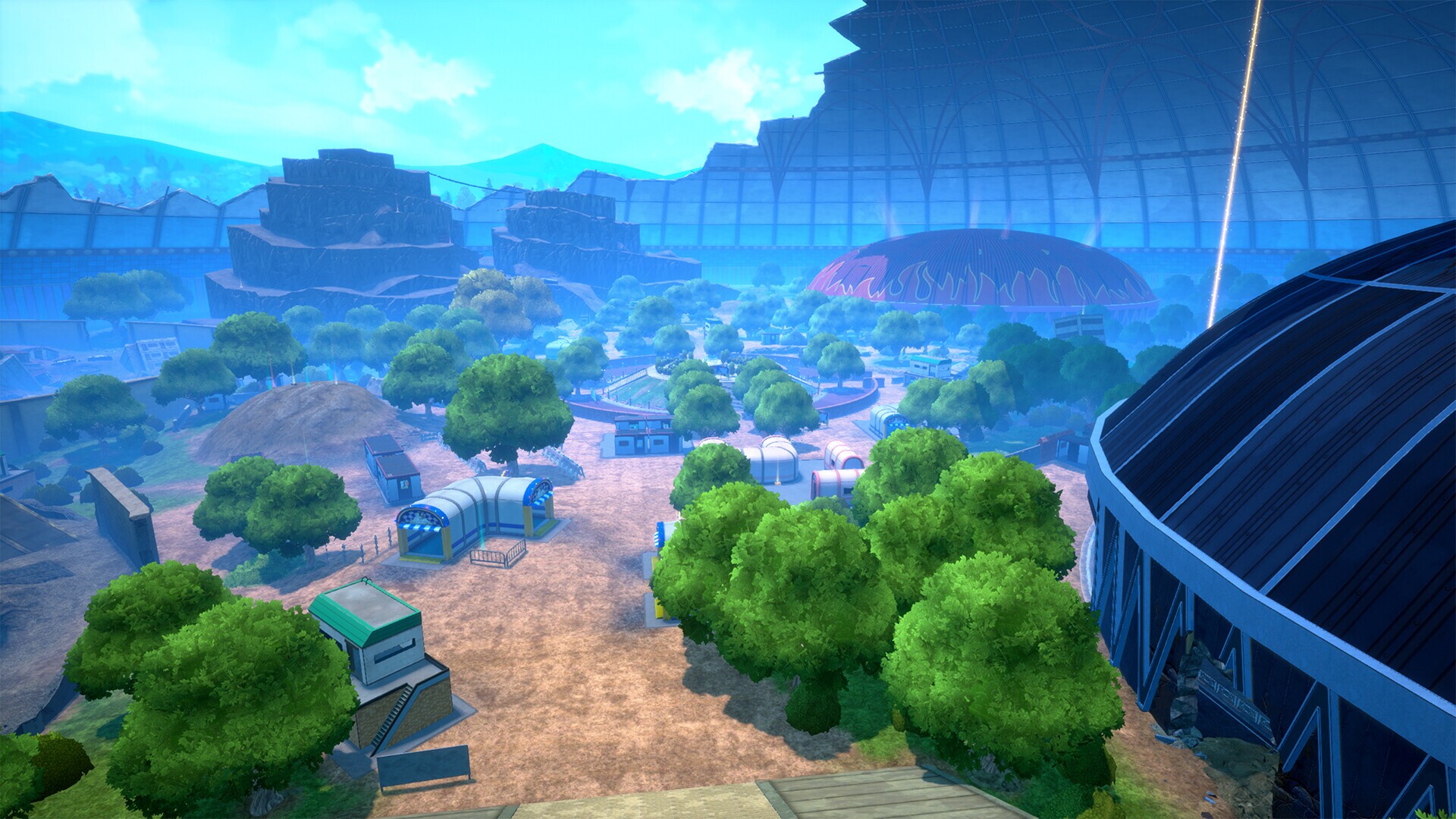
MY HERO ULTRA RUMBLE
Byking
Same platform, Same business model, Similar gameplay style
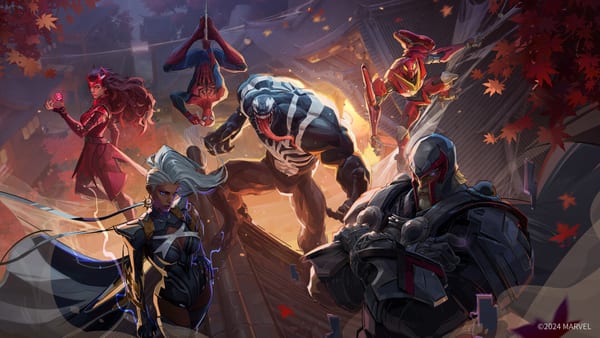
Marvel Rivals
NetEase Games / Marvel Games
Same platform, Same business model, Similar gameplay style
Official Ratings
Users Interact; In-Game Purchases (cosmetic skins)
Age Fit
Help us rate the next game
GameCompass is free for every family and takes nothing from game studios. A coffee is what puts the next game on the list.
Buy us a coffeeWhat support pays for